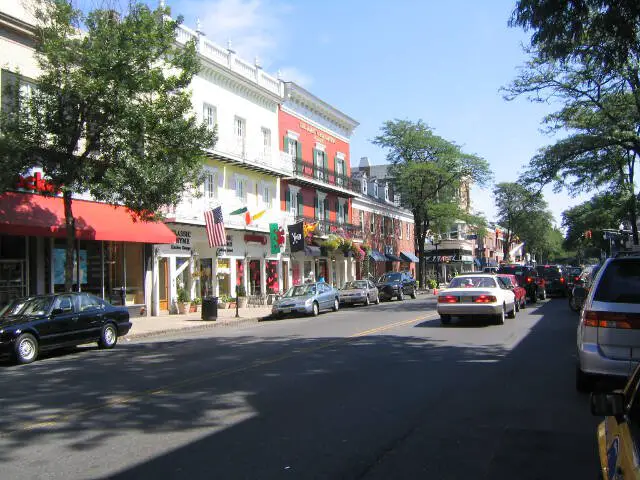
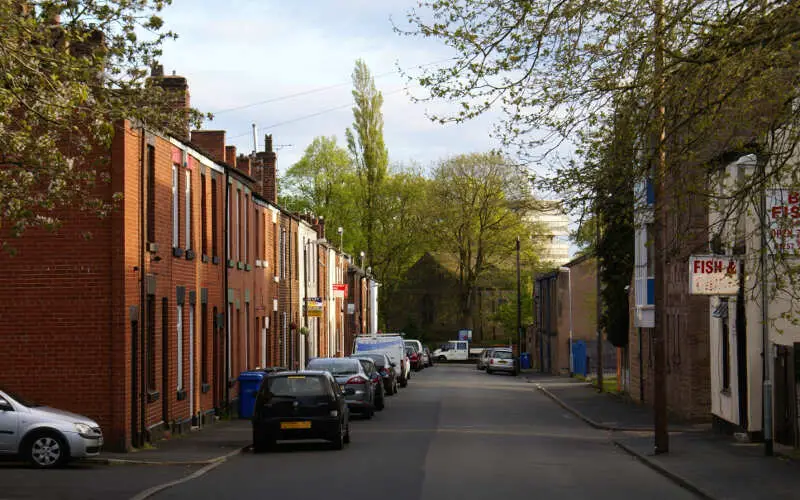
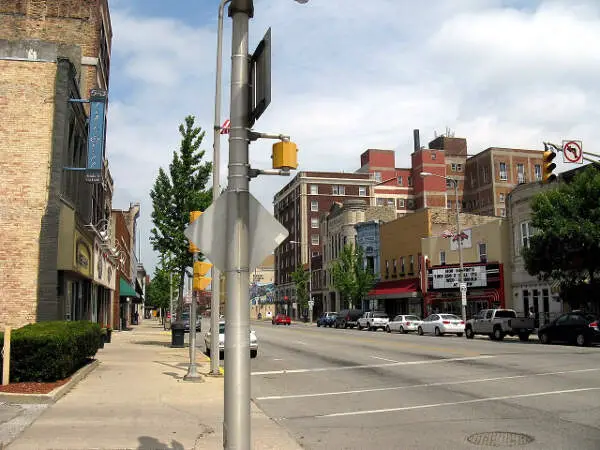
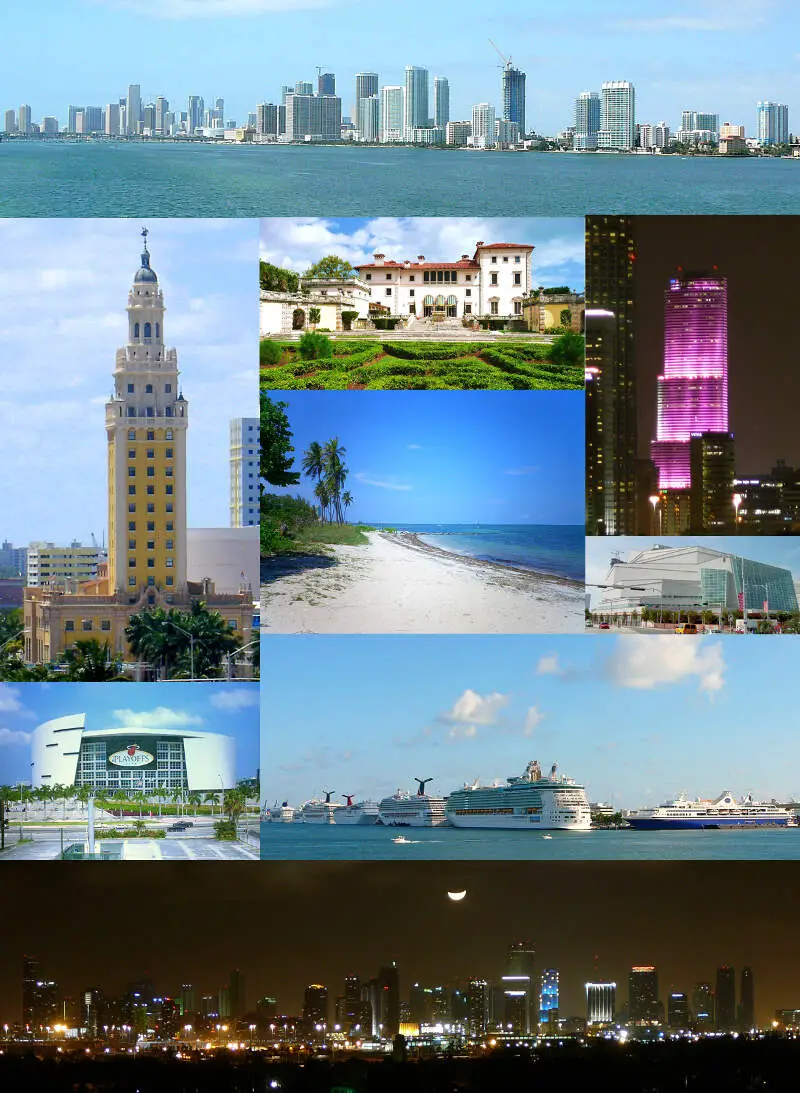
Atlanta vs. Miami in photos
A side-by-side look at each city.



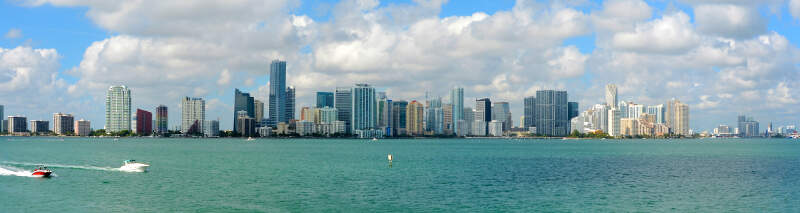

Cost of living
Atlanta is the cheaper city overall — 9% higher in Miami than its rival. Index baseline: 100 = national average.
| Living expense | Atlanta | Miami | US average |
|---|---|---|---|
| Overall | 119 | 131 | 100 |
| Services | 99 | 106 | 100 |
| Groceries | 102 | 110 | 100 |
| Health | 163 | 169 | 100 |
| Housing | 100 | 108 | 100 |
| Transportation | 106 | 121 | 100 |
| Utilities | 104 | 120 | 100 |
Lower index = cheaper. 100 = U.S. national average. Bar inside each cell scales relative to the highest value in the table.
Sources: HomeSnacks Cost of Living indices, normalized so 100 = U.S. national average. Drill in: Atlanta cost of living, Miami cost of living, or the cheapest cities in America.
Housing breakdown
Home prices are higher in Miami. Compare absolute price and price-to-income — a $500k home in a $100k-income city is very different from one in a $50k-income city.
| Metric | Atlanta | Miami | United States |
|---|---|---|---|
| Median Home Value | $385,599 | $579,563 | $332,700 |
| Median Rent | $1,711 | $1,758 | $1,413 |
| Median Income | $85,652 | $62,462 | $80,734 |
| Home Value To Income | 4.5x | 9.3x | 4.1x |
| Rent To Monthly Income | 0.24x | 0.34x | 0.21x |
Source: U.S. Census Bureau ACS 2020-2024. See also states with the highest rent in America.
Crime
Miami is the safer city — total crime rate of 3,468 per 100k people vs 4,600 for Atlanta. US average: 2,119.
| Crime (per 100k) | Atlanta | Miami | US average |
|---|---|---|---|
| Total crime | 4,600 | 3,468 | 2,119 |
| Murder | 26 | 6 | 5 |
| Robbery | 120 | 95 | 61 |
| Aggravated Assault | 537 | 348 | 256 |
| Violent Crime | 707 | 473 | 359 |
| Burglary | 347 | 294 | 229 |
| Larceny | 2,500 | 2,290 | 1,272 |
| Car Theft | 1,046 | 410 | 259 |
| Property Crime | 3,893 | 2,995 | 1,760 |
Lower = safer. Bar inside each cell scales relative to the highest crime rate in the table.
Source: FBI Uniform Crime Reporting (2024). All rates are per 100,000 people. City pages: Atlanta crime, Miami crime. See also: safest cities in America.
Diversity
Atlanta is more racially diverse — lower HHI (closer to 0) means a more even mix across groups.
| Group | Atlanta | Miami | United States |
|---|---|---|---|
| White | 38.1% | 12.1% | 57.4% |
| African American | 45.4% | 11.9% | 11.9% |
| American Indian | 0.1% | 0.1% | 0.5% |
| Asian | 5.2% | 1.6% | 5.9% |
| Hawaiian | 0.0% | 0.0% | 0.2% |
| Other | 0.5% | 0.6% | 0.6% |
| Two Or More | 4.4% | 2.2% | 4.3% |
| Hispanic | 6.3% | 71.5% | 19.3% |
Source: U.S. Census ACS 2020-2024. Lower HHI = more even racial mix. See also: most diverse cities in America.
SnackAbility — overall quality of life
Atlanta scores higher overall — 7/10 vs 5/10. SnackAbility is our 1–10 quality-of-life score; the median U.S. city scores a 7.
Scores are 0–10; both bars share the same scale.
SnackAbility is a HomeSnacks proprietary 1–10 score blending jobs, housing, education, commute, amenities, affordability, crime, and diversity. Median U.S. city ≈ 7. Data: Census, BLS, FBI. See also: best places to live in America.
Getting around: Atlanta vs. Miami
How each city handles commuting, transit, walkability, and car culture — the day-to-day reality that shapes where you'd actually want to live.
Getting around Atlanta means making peace with a car-heavy city. The Downtown Connector, where I-75 and I-85 merge, is one of the most congested stretches of interstate in the Southeast, and surface traffic in Buckhead or Midtown can stop dead during rush hour.
MARTA's Red and Gold lines give you a real alternative if you live near a station, connecting the airport directly to Midtown and Buckhead. The BeltLine trail also lets cyclists and pedestrians cut through intown neighborhoods without touching a road.
Miami is equally car-dependent, and I-95 through downtown rivals Atlanta's connector for frustration. Metrorail is useful if you work in Brickell or Coral Gables, and the free Metromover loops around downtown. Brightline now links Miami to Orlando, which helps for longer hauls.
For day-to-day errands in Kendall or Doral, you are almost certainly driving.
Jobs and careers in Atlanta vs. Miami
The local job market, dominant industries, and which city to choose based on your career.
Atlanta is a stronger corporate hub than its population size might suggest. Delta Air Lines, Coca-Cola, Home Depot, and Chick-fil-A are all headquartered here, and Midtown's technology corridor has added cybersecurity, fintech, and film production jobs over the last decade.
A median household income of $85,652 and a cost of living index of 119 mean your paycheck generally stretches further here than in Miami.
Miami's economy leans on tourism, international trade through PortMiami, and financial services anchored in Brickell. The Wynwood district has attracted tech startups and creative agencies, and Latin American business ties make Miami a gateway city for multinationals. A median household income of $62,462 against a cost of living index of 131 means the math is tighter for most workers, especially given median home values of $579,563 versus Atlanta's $385,599.
Weather and climate
What to expect day-to-day — sun, fog, heat, rain, and the seasonal extremes that shape the lifestyle.
Atlanta has four real seasons, which you will either appreciate or find inconvenient depending on your background. Summers are hot and humid, with July highs regularly pushing into the low 90s, but spring and fall bring mild temperatures that make outdoor dining feel natural. Winters are mostly mild, though an ice storm can shut the city down every year or two.
Miami is warm all year, with a dry season running roughly November through April and a rainy season that brings daily afternoon thunderstorms from May onward. Winter cold in Miami means a jacket in the morning; summer means heat index readings above 100°F and hurricane awareness from June through November.
If you cannot tolerate cold, Miami wins. If you want actual seasonal variety without brutal winters, Atlanta is the better fit.
Culture, nightlife, and entertainment
Food, music, neighborhoods, and the city vibe that gives each place its personality.
Atlanta's cultural identity is distinctly Southern with a cosmopolitan edge. The Sweet Auburn corridor and the MLK National Historic Site anchor a deep civil rights history, while the Old Fourth Ward and Ponce City Market show the city's appetite for adaptive reuse and food-hall culture.
Atlanta has been central to hip-hop for three decades, and that music scene remains one of the most creatively influential in the country. Buckhead offers upscale dining and nightlife, while East Atlanta Village and Little Five Points run considerably more independent and unpredictable.
Miami's nightlife has a global reputation Atlanta can't match on sheer scale. South Beach clubs draw international DJs, and the Wynwood Walls have turned a warehouse district into a year-round art destination.
Little Havana's Calle Ocho is one of the most distinctive neighborhood food and cultural corridors in any American city. Art Basel each December draws the art world's top names.
If your social life runs late and loud, Miami is the stronger fit.
Outdoor activities and day trips
Parks, beaches, hikes, and the weekend escapes that define life outside the city limits.
Atlanta's outdoor options are more varied than most people expect from a landlocked Southern city. Piedmont Park in Midtown draws weekend runners, frisbee games, and festivals, and the BeltLine's Eastside Trail has changed how people move between intown neighborhoods. Stone Mountain and Kennesaw Mountain offer accessible hiking within 30 minutes of downtown.
The bigger draw is proximity to the North Georgia mountains. The Blue Ridge range is about 90 minutes out, with trails, whitewater on the Chattahoochee, and towns like Dahlonega within easy weekend reach.
Miami's outdoors revolves around water, which is both its greatest asset and its only real category. South Beach and Key Biscayne offer excellent swimming and sunbathing, and Biscayne Bay is well-suited for kayaking and paddleboarding.
The Florida Keys are a two-hour drive for snorkeling and sport fishing, and Everglades National Park is 45 minutes from downtown for a completely different kind of wilderness experience.
If water recreation is central to your lifestyle, Miami wins; if you want topographic variety, Atlanta's mountain access is the better argument.
Bottom line: which city is right for you?
Based on the head-to-head data above, here's the short version — pick the city that lines up with what you actually care about.
Choose Atlanta if you prioritize…
- a lower cost of living (cheaper groceries, services, and day-to-day expenses).
- a more racially diverse community (lower HHI on Census data).
- a higher overall SnackAbility quality-of-life score.
Choose Miami if you prioritize…
- lower crime — a safer place to live, work, and raise a family.
- more affordable housing relative to Atlanta.
Methodology: winners are picked from public data — U.S. Census Bureau ACS (income, home value, rent, race/HHI), FBI Uniform Crime Reporting (crime rates per 100k), and HomeSnacks' proprietary SnackAbility quality-of-life score, which blends Bureau of Labor Statistics data with the above.
Other comparisons
Still weighing your options? See how these two cities stack up against other places we've compared head-to-head.