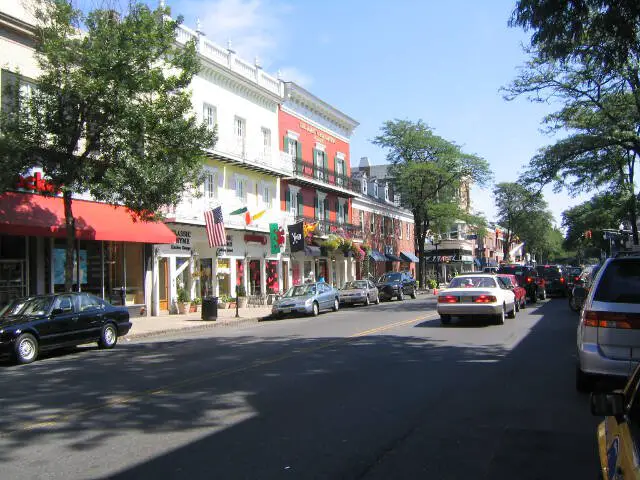
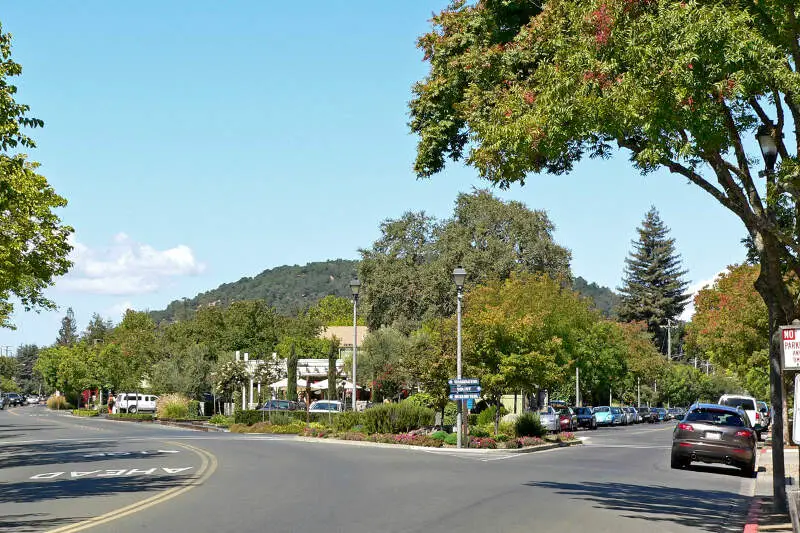
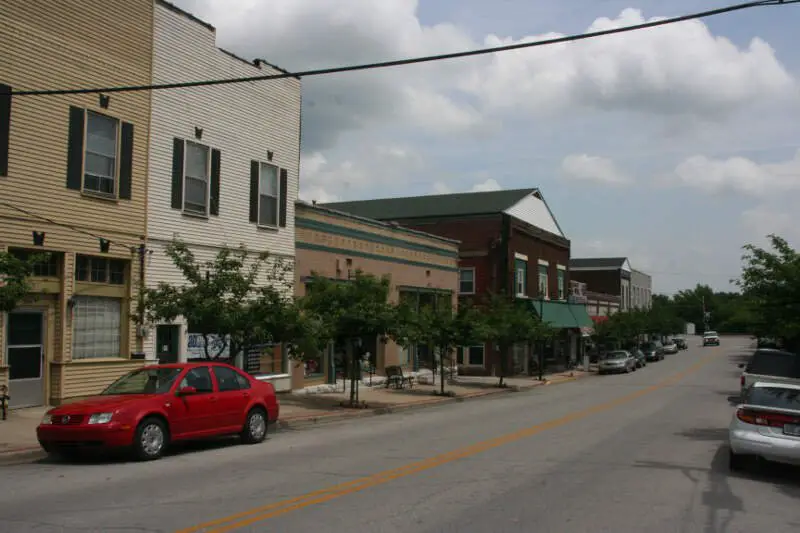
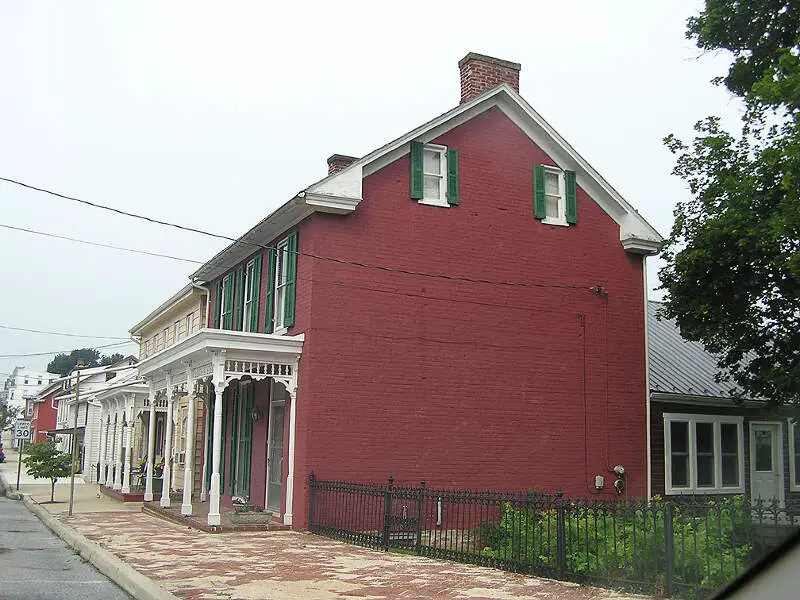
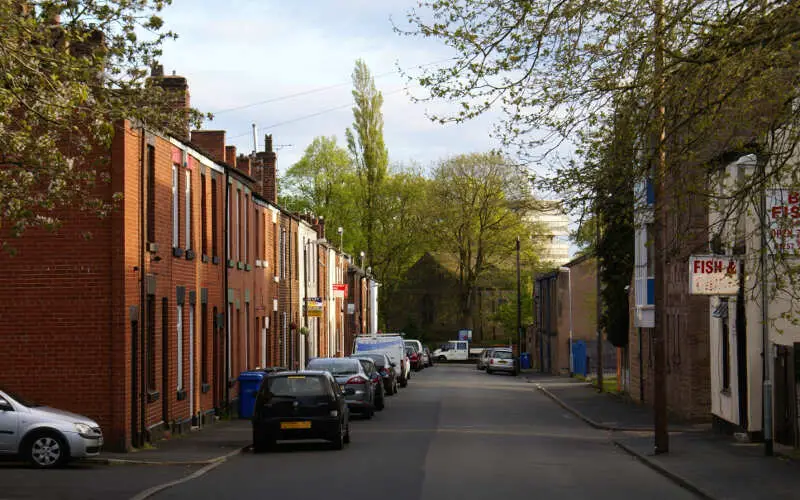
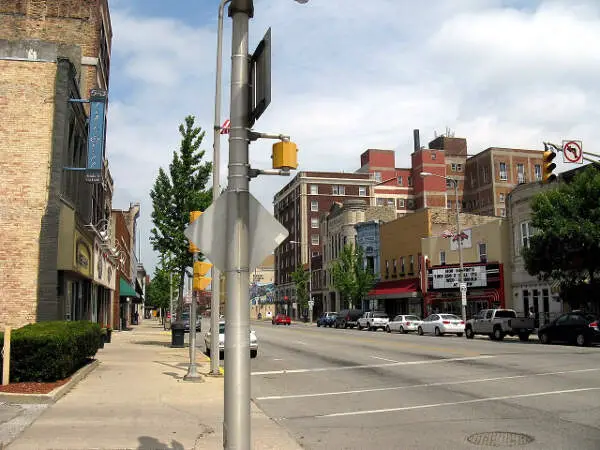
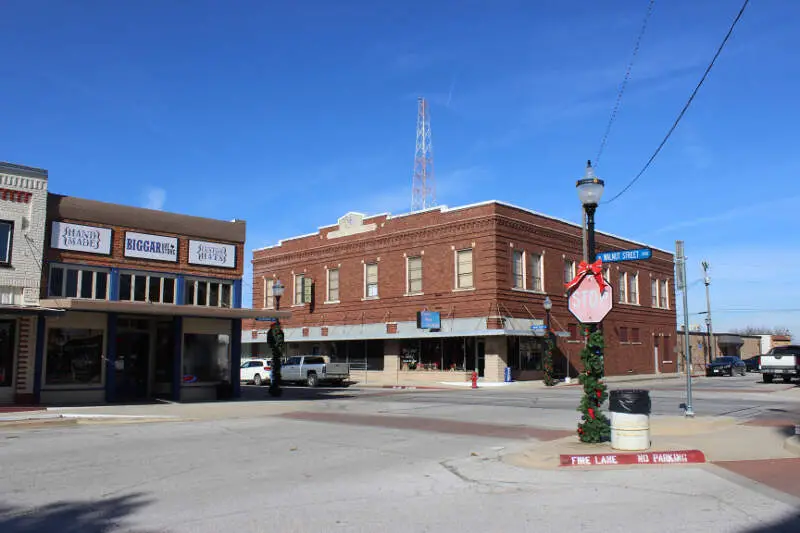
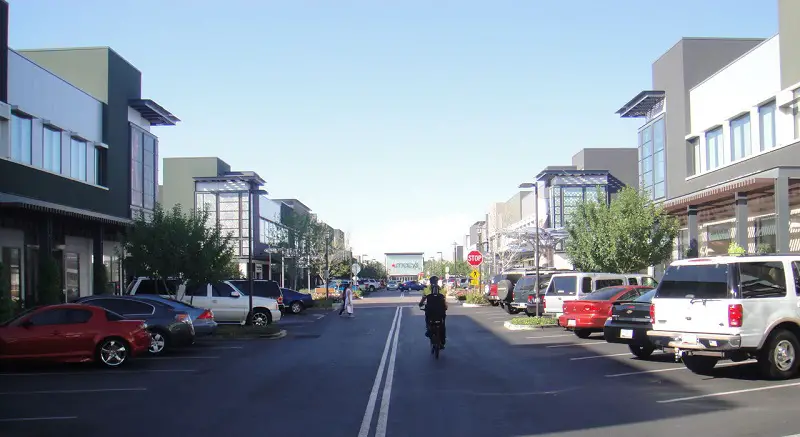
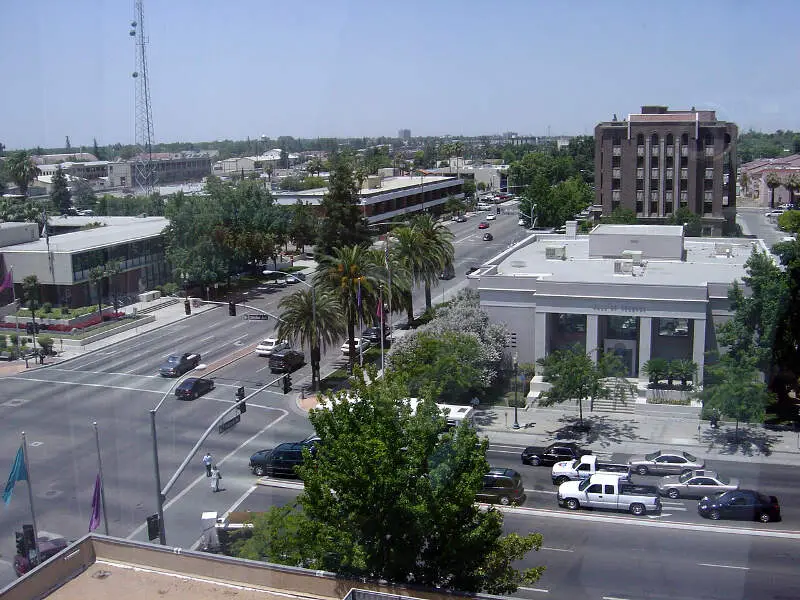
Bakersfield vs. Los Angeles in photos
A side-by-side look at each city.
Cost of living
Bakersfield is the cheaper city overall — 31% higher in Los Angeles than its rival. Index baseline: 100 = national average.
| Living expense | Bakersfield | Los Angeles | US average |
|---|---|---|---|
| Overall | 124 | 179 | 100 |
| Services | 113 | 117 | 100 |
| Groceries | 117 | 123 | 100 |
| Health | 137 | 309 | 100 |
| Housing | 121 | 128 | 100 |
| Transportation | 118 | 128 | 100 |
| Utilities | 122 | 134 | 100 |
Lower index = cheaper. 100 = U.S. national average. Bar inside each cell scales relative to the highest value in the table.
Sources: HomeSnacks Cost of Living indices, normalized so 100 = U.S. national average. Drill in: Bakersfield cost of living, Los Angeles cost of living, or the cheapest cities in America.
Housing breakdown
Home prices are higher in Los Angeles. Compare absolute price and price-to-income — a $500k home in a $100k-income city is very different from one in a $50k-income city.
| Metric | Bakersfield | Los Angeles | United States |
|---|---|---|---|
| Median Home Value | $396,047 | $952,183 | $332,700 |
| Median Rent | $1,472 | $1,933 | $1,413 |
| Median Income | $80,540 | $81,939 | $80,734 |
| Home Value To Income | 4.9x | 11.6x | 4.1x |
| Rent To Monthly Income | 0.22x | 0.28x | 0.21x |
Source: U.S. Census Bureau ACS 2020-2024. See also states with the highest rent in America.
Crime
Los Angeles is the safer city — total crime rate of 2,212 per 100k people vs 3,024 for Bakersfield. US average: 2,119.
| Crime (per 100k) | Bakersfield | Los Angeles | US average |
|---|---|---|---|
| Total crime | 3,024 | 2,212 | 2,119 |
| Murder | 7 | 7 | 5 |
| Robbery | 126 | 210 | 61 |
| Aggravated Assault | 381 | 471 | 256 |
| Violent Crime | 555 | 728 | 359 |
| Burglary | 538 | 373 | 229 |
| Larceny | 1,259 | 852 | 1,272 |
| Car Theft | 673 | 260 | 259 |
| Property Crime | 2,470 | 1,484 | 1,760 |
Lower = safer. Bar inside each cell scales relative to the highest crime rate in the table.
Source: FBI Uniform Crime Reporting (2024). All rates are per 100,000 people. City pages: Bakersfield crime, Los Angeles crime. See also: safest cities in America.
Diversity
Los Angeles is more racially diverse — lower HHI (closer to 0) means a more even mix across groups.
| Group | Bakersfield | Los Angeles | United States |
|---|---|---|---|
| White | 27.6% | 28.1% | 57.4% |
| African American | 5.7% | 8.1% | 11.9% |
| American Indian | 0.4% | 0.1% | 0.5% |
| Asian | 7.8% | 11.9% | 5.9% |
| Hawaiian | 0.1% | 0.1% | 0.2% |
| Other | 0.7% | 0.7% | 0.6% |
| Two Or More | 3.1% | 3.8% | 4.3% |
| Hispanic | 54.7% | 47.2% | 19.3% |
Source: U.S. Census ACS 2020-2024. Lower HHI = more even racial mix. See also: most diverse cities in America.
SnackAbility — overall quality of life
Bakersfield and Los Angeles tied at 6/10.
Scores are 0–10; both bars share the same scale.
SnackAbility is a HomeSnacks proprietary 1–10 score blending jobs, housing, education, commute, amenities, affordability, crime, and diversity. Median U.S. city ≈ 7. Data: Census, BLS, FBI. See also: best places to live in America.
Getting around: Bakersfield vs. Los Angeles
How each city handles commuting, transit, walkability, and car culture — the day-to-day reality that shapes where you'd actually want to live.
Bakersfield runs on cars. Golden Empire Transit (GET) has a bus network, but routes are sparse and infrequent enough that most residents treat a personal vehicle as a necessity. Highway 99 and Interstate 5 are your main corridors, and morning congestion on the 58 toward the Westside can creep up, though traffic stays manageable by Southern California standards.
Amtrak's San Joaquins connects Bakersfield to the Bay Area and Sacramento, a practical option for occasional trips north.
Los Angeles has a growing Metro Rail network (the B Line (Red), K Line (Crenshaw), and Gold Line among others) plus extensive bus rapid transit, but the city's sprawl means transit rarely covers the full trip without a car at one or both ends. Commute times are notoriously long, with heavy freeway congestion on the 405, 101, and 10 a daily reality. If you work in a transit-dense corridor like Downtown or Westwood, Metro becomes genuinely usable, but for most LA residents driving remains unavoidable.
Jobs and careers in Bakersfield vs. Los Angeles
The local job market, dominant industries, and which city to choose based on your career.
Bakersfield's economy is anchored by oil and gas. The city sits at the heart of the San Joaquin Valley's energy sector, with Chevron and California Resources Corporation among the major employers. Agriculture, healthcare (Dignity Health and Adventist Health both run major facilities here), and logistics fill out the job market, and a median household income of $80,540 goes far against a cost of living index of 124.
Los Angeles has a median household income of $81,939, nearly identical on paper, but that figure has to stretch against a cost of living index of 179, one of the highest in the country. The trade-off is a genuinely diverse economy: entertainment and media (Disney, Netflix, Warner Bros.), tech (Snap, Hulu, a growing Silicon Beach cluster in Playa Vista), finance, fashion, and healthcare all coexist here. If you're in a creative or tech field, LA's professional network and career ceiling are hard to match; if you're in energy or agriculture, Bakersfield is the obvious call.
Weather and climate
What to expect day-to-day — sun, fog, heat, rain, and the seasonal extremes that shape the lifestyle.
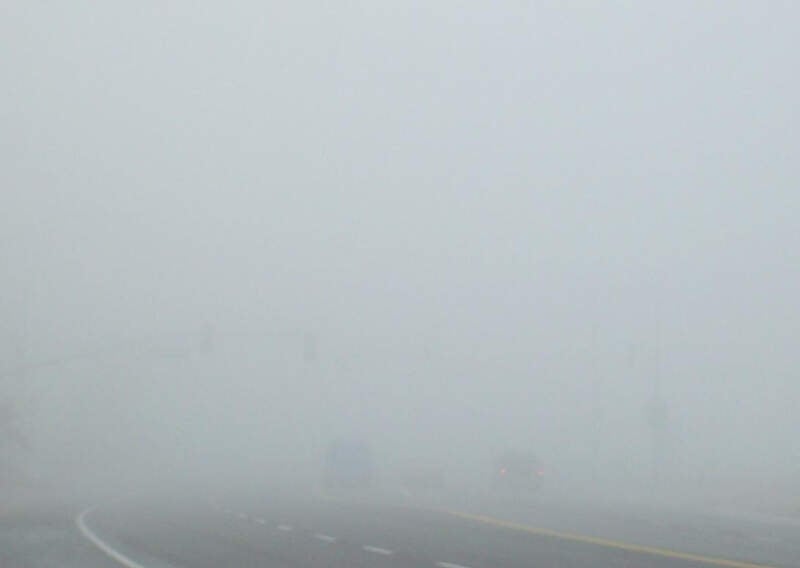
Bakersfield summers are punishing. Temperatures routinely climb past 100°F from June through September, and the city's position in the San Joaquin Valley traps heat without the marine layer relief coastal California gets. Winters are mild and mostly dry, but dense tule fog blankets the valley floor from December through February, reducing visibility to near zero and making Highway 99 genuinely dangerous.
Air quality is a persistent issue. Bakersfield regularly ranks among the most polluted U.S. cities for particulate matter, worth factoring in if you have respiratory sensitivities.
Los Angeles has the Mediterranean climate California's reputation is built on: warm, sunny summers with afternoon ocean breezes, and mild winters that rarely dip below 50°F at night. The coastal neighborhoods of Santa Monica and Venice stay noticeably cooler than the San Fernando Valley or the Inland Empire. Wildfire smoke can hit air quality in late summer and fall, especially in hillside communities, but day-to-day, LA's weather is more livable than Bakersfield's most of the year.
Culture, nightlife, and entertainment
Food, music, neighborhoods, and the city vibe that gives each place its personality.
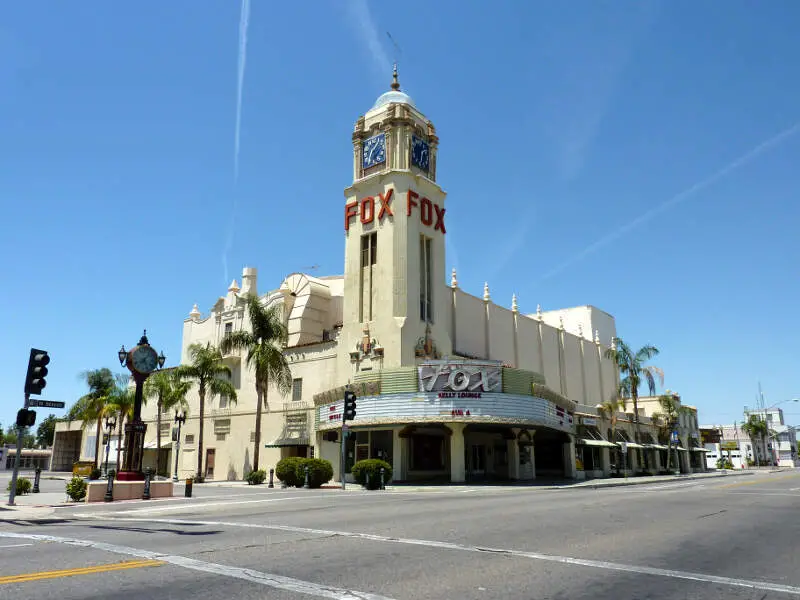
Bakersfield has one specific cultural claim: country music. The "Bakersfield Sound," a rawer honky-tonk alternative to Nashville's polished output, was born here through Buck Owens and Merle Haggard. Buck Owens' Crystal Palace is still an active music venue and restaurant worth visiting regardless of your taste in music.
Mechanics Bank Arena hosts touring concerts and the NHL's Condors. The arts scene is modest and nightlife options are limited compared to a major metro, but the city's size means you're rarely waiting in line or paying cover charges.
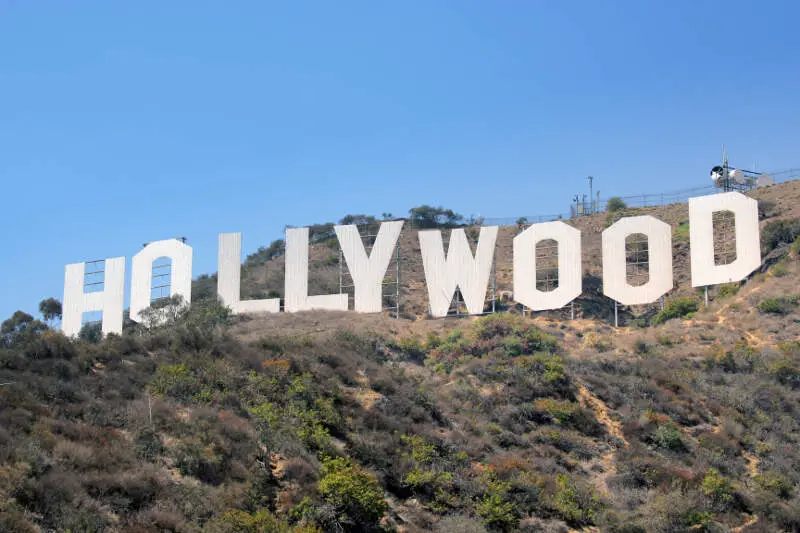
Los Angeles is a global cultural capital, and the scale is genuinely hard to compare. Hollywood, Silver Lake, Echo Park, West Hollywood, and the Downtown Arts District each have their own nightlife personality: rooftop bars, jazz clubs, underground comedy rooms, and some of the best restaurant variety in the world. The Getty, LACMA, the Broad, and the Hammer give you world-class museum access.
The trade-off is cost and crowds. A night out in LA moves fast and adds up quickly, and popular venues on weekends require planning well in advance.
Outdoor activities and day trips
Parks, beaches, hikes, and the weekend escapes that define life outside the city limits.
The Kern River canyon is about an hour east of Bakersfield, with class III–V whitewater rafting and good trout fishing. Continue up Highway 178 and you reach Lake Isabella, a popular weekend spot for boating and camping. Sequoia National Park, home to the largest trees on Earth, is roughly 90 minutes northeast.
If you want easy, uncrowded access to California's mountain wilderness without a four-hour drive, Bakersfield's location is a real advantage.
Los Angeles has Griffith Park, one of the largest urban parks in the country, with trails, the Griffith Observatory, and views across the basin. The Santa Monica Mountains run through Malibu and connect to Topanga State Park, giving you solid hiking close to the city. The beaches from Malibu through Manhattan Beach and Long Beach are the obvious outdoor draw, and Big Bear and Mountain High ski resorts are two hours northeast.
Popular outdoor destinations near LA fill up fast on weekends. Bakersfield's trails are quieter and closer to true backcountry, but LA's coastal access is hard to replicate anywhere else.
Bottom line: which city is right for you?
Based on the head-to-head data above, here's the short version — pick the city that lines up with what you actually care about.
Choose Bakersfield if you prioritize…
- a lower cost of living (cheaper groceries, services, and day-to-day expenses).
Choose Los Angeles if you prioritize…
- lower crime — a safer place to live, work, and raise a family.
- more affordable housing relative to Bakersfield.
- a more racially diverse community (lower HHI on Census data).
Methodology: winners are picked from public data — U.S. Census Bureau ACS (income, home value, rent, race/HHI), FBI Uniform Crime Reporting (crime rates per 100k), and HomeSnacks' proprietary SnackAbility quality-of-life score, which blends Bureau of Labor Statistics data with the above.
Other comparisons
Still weighing your options? See how these two cities stack up against other places we've compared head-to-head.