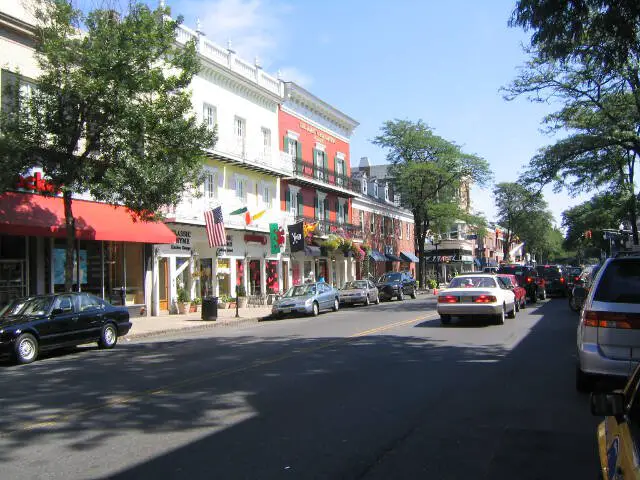
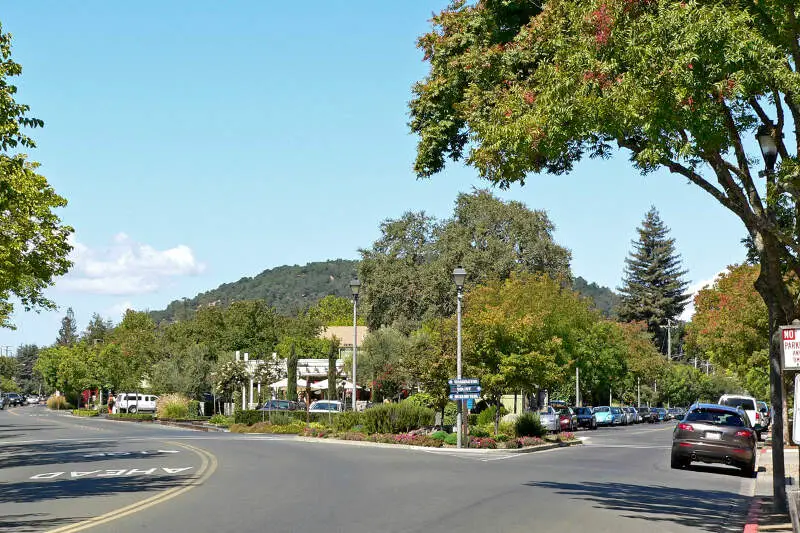
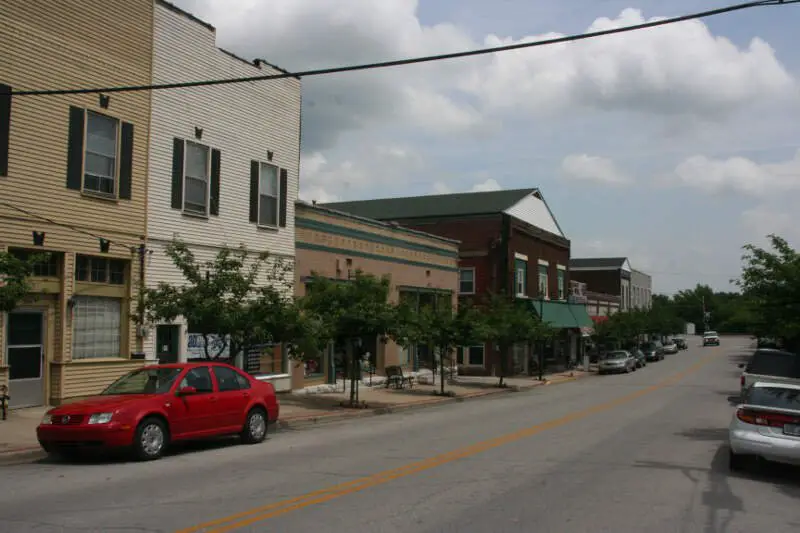
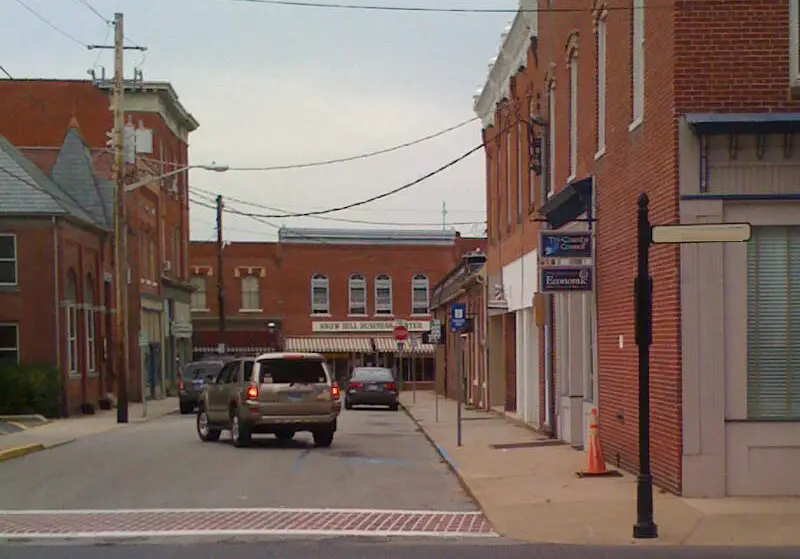
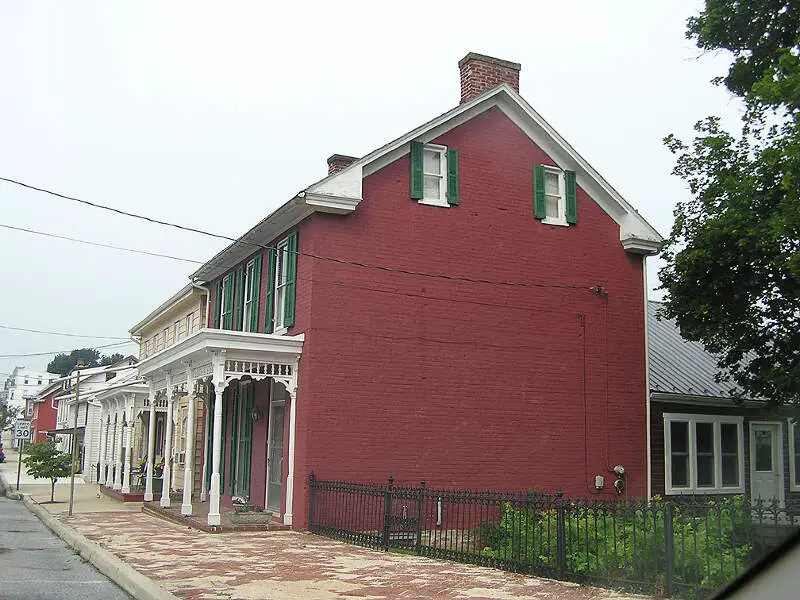
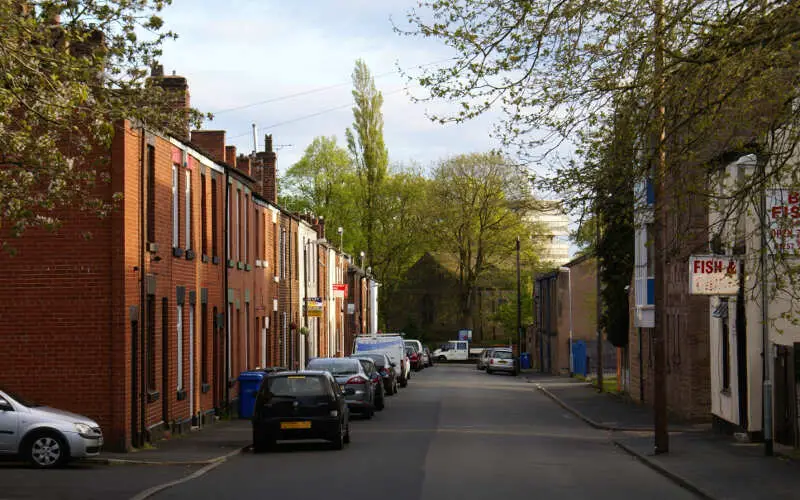
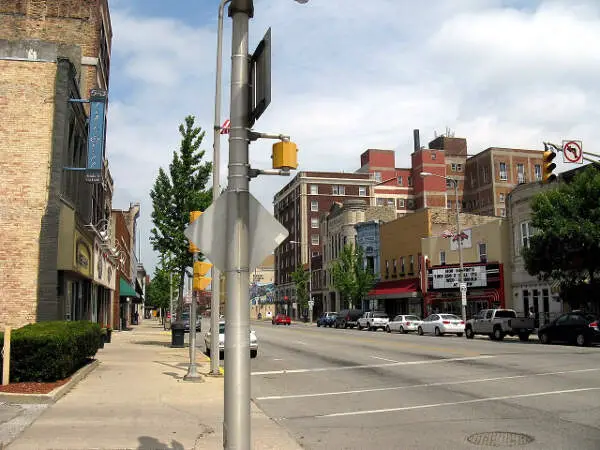
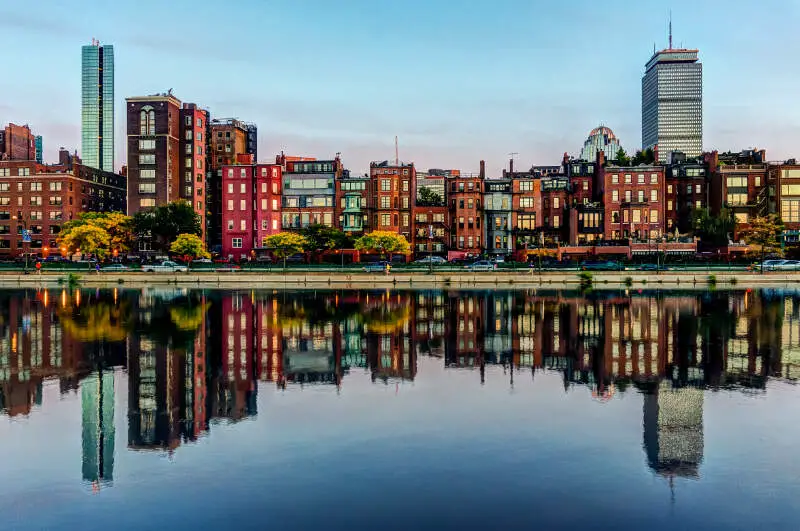
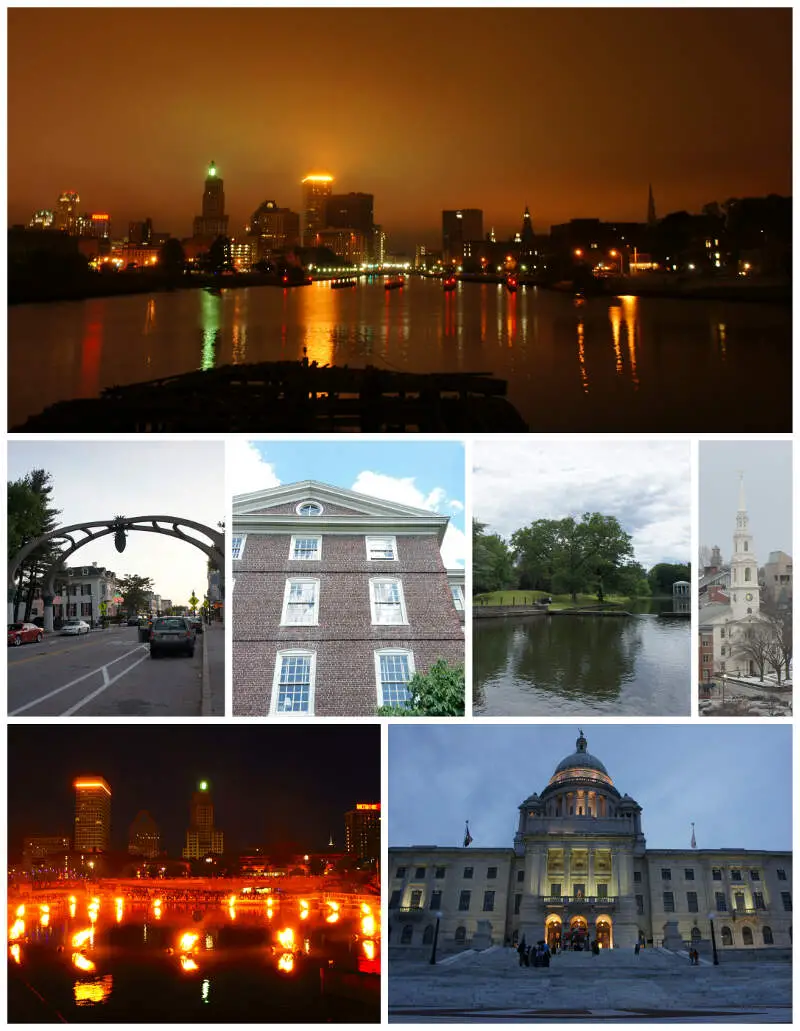
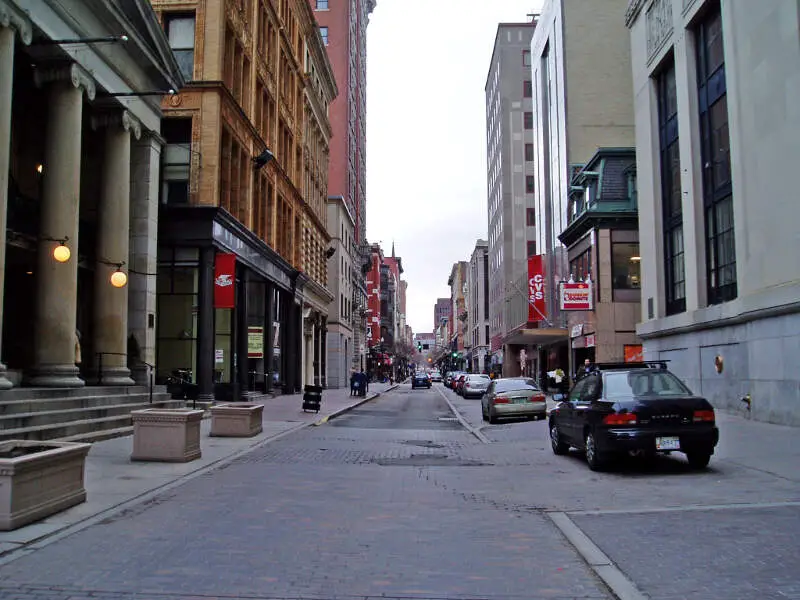
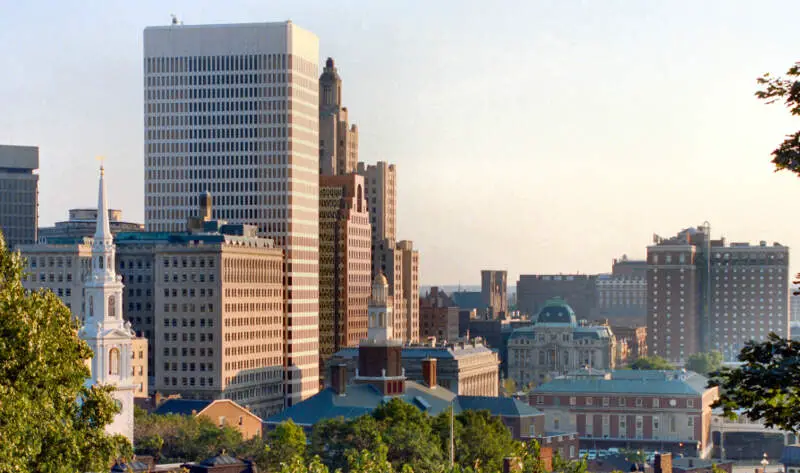
Boston vs. Providence in photos
A side-by-side look at each city.

Cost of living
Providence is the cheaper city overall — 54% higher in Boston than its rival. Index baseline: 100 = national average.
| Living expense | Boston | Providence | US average |
|---|---|---|---|
| Overall | 171 | 111 | 100 |
| Services | 109 | 101 | 100 |
| Groceries | 122 | 103 | 100 |
| Health | 276 | 118 | 100 |
| Housing | 120 | 106 | 100 |
| Transportation | 127 | 104 | 100 |
| Utilities | 132 | 109 | 100 |
Lower index = cheaper. 100 = U.S. national average. Bar inside each cell scales relative to the highest value in the table.
Sources: HomeSnacks Cost of Living indices, normalized so 100 = U.S. national average. Drill in: Boston cost of living, Providence cost of living, or the cheapest cities in America.
Housing breakdown
Home prices are higher in Boston. Compare absolute price and price-to-income — a $500k home in a $100k-income city is very different from one in a $50k-income city.
| Metric | Boston | Providence | United States |
|---|---|---|---|
| Median Home Value | $798,216 | $426,006 | $332,700 |
| Median Rent | $2,147 | $1,408 | $1,413 |
| Median Income | $97,344 | $68,119 | $80,734 |
| Home Value To Income | 8.2x | 6.3x | 4.1x |
| Rent To Monthly Income | 0.26x | 0.25x | 0.21x |
Source: U.S. Census Bureau ACS 2020-2024. See also states with the highest rent in America.
Crime
Providence is the safer city — total crime rate of 1,935 per 100k people vs 2,650 for Boston. US average: 2,119.
| Crime (per 100k) | Boston | Providence | US average |
|---|---|---|---|
| Total crime | 2,650 | 1,935 | 2,119 |
| Murder | 4 | 6 | 5 |
| Robbery | 126 | 56 | 61 |
| Aggravated Assault | 472 | 194 | 256 |
| Violent Crime | 628 | 277 | 359 |
| Burglary | 178 | 117 | 229 |
| Larceny | 1,687 | 1,330 | 1,272 |
| Car Theft | 157 | 211 | 259 |
| Property Crime | 2,022 | 1,658 | 1,760 |
Lower = safer. Bar inside each cell scales relative to the highest crime rate in the table.
Source: FBI Uniform Crime Reporting (2024). All rates are per 100,000 people. City pages: Boston crime, Providence crime. See also: safest cities in America.
Diversity
Boston is more racially diverse — lower HHI (closer to 0) means a more even mix across groups.
| Group | Boston | Providence | United States |
|---|---|---|---|
| White | 44.1% | 33.1% | 57.4% |
| African American | 19.3% | 10.2% | 11.9% |
| American Indian | 0.1% | 0.3% | 0.5% |
| Asian | 10.3% | 6.2% | 5.9% |
| Hawaiian | 0.0% | 0.1% | 0.2% |
| Other | 1.0% | 1.2% | 0.6% |
| Two Or More | 5.9% | 3.6% | 4.3% |
| Hispanic | 19.3% | 45.3% | 19.3% |
Source: U.S. Census ACS 2020-2024. Lower HHI = more even racial mix. See also: most diverse cities in America.
SnackAbility — overall quality of life
Boston scores higher overall — 8/10 vs 6/10. SnackAbility is our 1–10 quality-of-life score; the median U.S. city scores a 7.
Scores are 0–10; both bars share the same scale.
SnackAbility is a HomeSnacks proprietary 1–10 score blending jobs, housing, education, commute, amenities, affordability, crime, and diversity. Median U.S. city ≈ 7. Data: Census, BLS, FBI. See also: best places to live in America.
Getting around: Boston vs. Providence
How each city handles commuting, transit, walkability, and car culture — the day-to-day reality that shapes where you'd actually want to live.
Getting around Boston without a car is entirely realistic. The MBTA (the "T") runs four subway lines, an extensive commuter rail network, and frequent bus routes connecting neighborhoods from Allston to South Boston. Logan International sits just two miles from downtown, and if you commute by car, expect congestion on the expressway and stiff parking costs; the city's cost of living index of 171 means even your commute adds up.
Providence is much more drivable and less stressful. RIPTA buses cover the city, and Providence Station puts you on an Amtrak Northeast Regional or Acela in minutes, with Boston South Station about 50 minutes away, making Providence a real option for workers who travel to Boston occasionally but don't want to pay Boston prices. Traffic is lighter and street parking is far easier to find than anything you'll deal with on the Southeast Expressway.
Jobs and careers in Boston vs. Providence
The local job market, dominant industries, and which city to choose based on your career.
Boston is one of the densest job markets in the country. Kendall Square in Cambridge anchors a global biotech and life-sciences corridor; Mass General, Brigham and Women's, and Dana-Farber draw healthcare professionals at every level; and financial firms cluster in the Financial District and Seaport. That demand pushes median household income to $97,344, but it also drives housing costs: a median home value of $798,216 and median rent of $2,147 leave many workers house-poor.
Providence's economy is smaller but growing. Lifespan and Care New England dominate healthcare hiring; Brown University, RISD, and Johnson and Wales anchor education and hospitality training.
The median household income of $68,119 is lower than Boston's, but with a median rent of $1,408 and a cost of living index of just 111, your paycheck stretches noticeably further. Creative-economy workers, especially in design and food, have found Providence increasingly hospitable over the past decade.
Weather and climate
What to expect day-to-day — sun, fog, heat, rain, and the seasonal extremes that shape the lifestyle.
Both cities sit squarely in southern New England, so the seasonal rhythm is similar: humid summers in the low-to-mid 80s, brilliant falls, cold and sometimes snowy winters, and a mud-season spring that tests your patience. Boston gets a slight coastal moderating effect from the harbor, but neither city spares you the occasional nor'easter that shuts things down for a day. Expect to own a proper winter coat wherever you land.
Providence sits a bit further inland and runs slightly colder on winter nights, though the gap is modest. Summer humidity is real in both places; July and August on Federal Hill or at Castle Island feel about the same. If you're coming from a warm-weather state, plan on about four genuinely cold months (December through March) in either city.
Culture, nightlife, and entertainment
Food, music, neighborhoods, and the city vibe that gives each place its personality.
Boston has the kind of cultural infrastructure that takes generations to build. The Museum of Fine Arts, the Isabella Stewart Gardner Museum, and the Boston Symphony Orchestra anchor the high-culture side; Fenway Park and TD Garden keep the city obsessed with sports practically year-round. Neighborhoods like the North End, South End, and Cambridge's Central Square each have distinct personalities, bar scenes, and restaurant strips worth exploring for months.
Providence punches well above its size on culture, largely because of RISD and Brown. The AS220 arts complex on Empire Street, the growing restaurant scene on Federal Hill, and the cluster of bars and cafes along Thayer Street and Westminster Street give the city a creative energy that feels less corporate than Boston's. If you like a city where independent venues and local chefs still set the tone (and where a Saturday night out doesn't require a $40 Uber home), Providence has a real case to make.
Outdoor activities and day trips
Parks, beaches, hikes, and the weekend escapes that define life outside the city limits.
Boston's outdoor options are surprisingly good for a dense city. The Charles River Esplanade is a genuine urban gem for running and cycling; the Harbor Islands offer kayaking and hiking a short ferry ride from Long Wharf; and the Arnold Arboretum in Jamaica Plain gives you 281 acres of managed landscape year-round. Day trips extend your range quickly: Cape Cod, the White Mountains of New Hampshire, and the Berkshires are all within two to three hours.
Providence gives you Roger Williams Park, a 435-acre Victorian landscape with a zoo, ponds, and miles of paths that residents use heavily. The Blackstone River Bikeway connects you north toward Worcester, and Narragansett Bay beaches (including Scarborough and Narragansett Town Beach) are under 30 minutes by car. Providence also sits closer to Rhode Island's South County hiking and swimming, so spontaneous beach or trail days on a weeknight are easier to pull off.
Bottom line: which city is right for you?
Based on the head-to-head data above, here's the short version — pick the city that lines up with what you actually care about.
Choose Boston if you prioritize…
- more affordable housing relative to Providence.
- a more racially diverse community (lower HHI on Census data).
- a higher overall SnackAbility quality-of-life score.
Choose Providence if you prioritize…
- a lower cost of living (cheaper groceries, services, and day-to-day expenses).
- lower crime — a safer place to live, work, and raise a family.
Methodology: winners are picked from public data — U.S. Census Bureau ACS (income, home value, rent, race/HHI), FBI Uniform Crime Reporting (crime rates per 100k), and HomeSnacks' proprietary SnackAbility quality-of-life score, which blends Bureau of Labor Statistics data with the above.
Other comparisons
Still weighing your options? See how these two cities stack up against other places we've compared head-to-head.