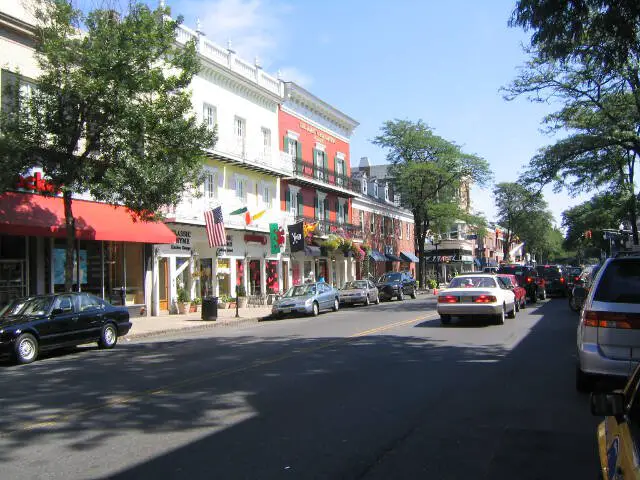
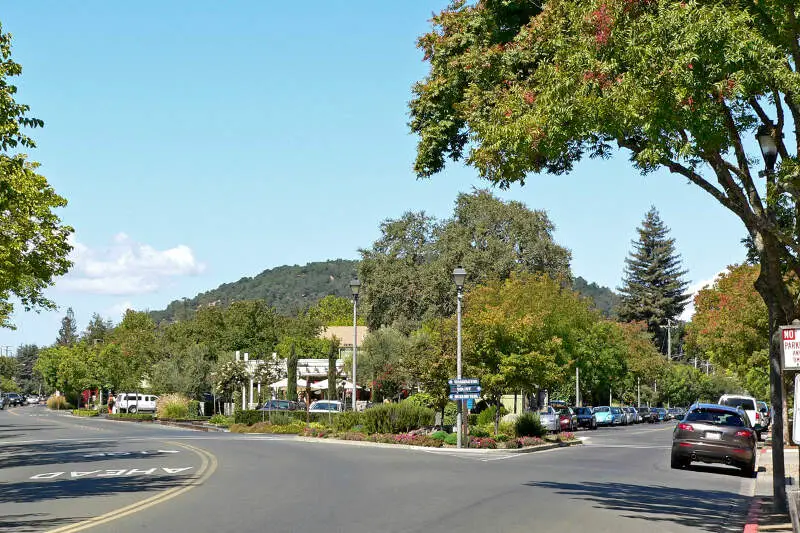
Chula Vista vs. San Diego in photos
A side-by-side look at each city.


Cost of living
Chula Vista is the cheaper city overall — 8% higher in San Diego than its rival. Index baseline: 100 = national average.
| Living expense | Chula Vista | San Diego | US average |
|---|---|---|---|
| Overall | 161 | 175 | 100 |
| Services | 114 | 121 | 100 |
| Groceries | 119 | 121 | 100 |
| Health | 250 | 296 | 100 |
| Housing | 122 | 127 | 100 |
| Transportation | 120 | 131 | 100 |
| Utilities | 122 | 135 | 100 |
Lower index = cheaper. 100 = U.S. national average. Bar inside each cell scales relative to the highest value in the table.
Sources: HomeSnacks Cost of Living indices, normalized so 100 = U.S. national average. Drill in: Chula Vista cost of living, San Diego cost of living, or the cheapest cities in America.
Housing breakdown
Home prices are higher in Chula Vista. Compare absolute price and price-to-income — a $500k home in a $100k-income city is very different from one in a $50k-income city.
| Metric | Chula Vista | San Diego | United States |
|---|---|---|---|
| Median Home Value | $846,371 | $1,001,264 | $332,700 |
| Median Rent | $2,229 | $2,313 | $1,413 |
| Median Income | $108,032 | $108,077 | $80,734 |
| Home Value To Income | 7.8x | 9.3x | 4.1x |
| Rent To Monthly Income | 0.25x | 0.26x | 0.21x |
Source: U.S. Census Bureau ACS 2020-2024. See also states with the highest rent in America.
Crime
Chula Vista is the safer city — total crime rate of 1,508 per 100k people vs 2,082 for San Diego. US average: 2,119.
| Crime (per 100k) | Chula Vista | San Diego | US average |
|---|---|---|---|
| Total crime | 1,508 | 2,082 | 2,119 |
| Murder | 1 | 3 | 5 |
| Robbery | 82 | 77 | 61 |
| Aggravated Assault | 273 | 311 | 256 |
| Violent Crime | 376 | 412 | 359 |
| Burglary | 134 | 187 | 229 |
| Larceny | 666 | 1,087 | 1,272 |
| Car Theft | 332 | 396 | 259 |
| Property Crime | 1,132 | 1,670 | 1,760 |
Lower = safer. Bar inside each cell scales relative to the highest crime rate in the table.
Source: FBI Uniform Crime Reporting (2024). All rates are per 100,000 people. City pages: Chula Vista crime, San Diego crime. See also: safest cities in America.
Diversity
San Diego is more racially diverse — lower HHI (closer to 0) means a more even mix across groups.
| Group | Chula Vista | San Diego | United States |
|---|---|---|---|
| White | 15.3% | 40.9% | 57.4% |
| African American | 4.7% | 5.3% | 11.9% |
| American Indian | 0.1% | 0.2% | 0.5% |
| Asian | 14.2% | 17.3% | 5.9% |
| Hawaiian | 0.3% | 0.4% | 0.2% |
| Other | 0.5% | 0.7% | 0.6% |
| Two Or More | 3.9% | 5.5% | 4.3% |
| Hispanic | 61.1% | 29.8% | 19.3% |
Source: U.S. Census ACS 2020-2024. Lower HHI = more even racial mix. See also: most diverse cities in America.
SnackAbility — overall quality of life
Chula Vista and San Diego tied at 8/10.
Scores are 0–10; both bars share the same scale.
SnackAbility is a HomeSnacks proprietary 1–10 score blending jobs, housing, education, commute, amenities, affordability, crime, and diversity. Median U.S. city ≈ 7. Data: Census, BLS, FBI. See also: best places to live in America.
Getting around: Chula Vista vs. San Diego
How each city handles commuting, transit, walkability, and car culture — the day-to-day reality that shapes where you'd actually want to live.
Getting around Chula Vista means relying on a car for most errands. The city sits between I-5 and I-805, and both freeways push commuters north into downtown San Diego in roughly 20-30 minutes outside rush hour. During peak times, that stretches considerably.
The MTS Blue Line trolley runs from H Street and Palomar Street stations to downtown's Santa Fe Depot. If your job is near a trolley stop, you can skip the freeway entirely.
San Diego has more transit variety: the trolley's Green and Orange lines expand your reach, and neighborhoods like Hillcrest, North Park, and Little Italy are walkable enough that some residents go car-lite. With a cost of living index of 175 versus Chula Vista's 161, dropping one car in San Diego can help offset the price gap.
For pure driving convenience, Chula Vista's suburban grid and ample parking give it an edge over the denser city.
Jobs and careers in Chula Vista vs. San Diego
The local job market, dominant industries, and which city to choose based on your career.
Both cities land at nearly identical median household incomes: $108,032 in Chula Vista versus $108,077 in San Diego. The workforce quality is comparable, but where you find those jobs differs sharply.
San Diego is the economic engine. UC San Diego and the Torrey Pines biotech corridor anchor a large life sciences sector, while defense contractors like General Dynamics and Northrop Grumman, plus the Naval Base complex, provide stable government employment. Qualcomm's legacy means deep tech talent flows through the region.
Chula Vista functions more as a bedroom community, though that's shifting. The Gaylord Pacific Resort and Convention Center on the bayfront is the largest new development the South Bay has seen in decades and will generate hospitality and event jobs. Bay Boulevard and Otay Ranch Town Center support retail and healthcare employment closer to home.
If your industry is biotech, defense tech, or higher education, expect to commute north. If hospitality or healthcare fits your field, Chula Vista is becoming more self-sufficient.
Weather and climate
What to expect day-to-day — sun, fog, heat, rain, and the seasonal extremes that shape the lifestyle.
Both cities share the Southern California Mediterranean climate: warm, dry summers and mild, occasionally rainy winters. San Diego's coastal neighborhoods like Ocean Beach, La Jolla, and Mission Hills run cooler in summer thanks to the marine layer that burns off by midday; June Gloom is a real phenomenon from late May through June. Inland pockets like Mission Valley get noticeably hotter.
Chula Vista sits slightly further inland and sees marginally warmer summer afternoons, often 5-8 degrees hotter than coastal San Diego on peak days. Winter lows are similar across both cities, rarely dipping below 45°F.
If you work outdoors or care about consistent afternoon sunshine, Chula Vista delivers it more reliably in summer. Coastal San Diego neighborhoods win if mild foggy mornings and cooler beach days sound appealing. Neither city requires a heavy coat — the real weather debate is fog versus heat.
Culture, nightlife, and entertainment
Food, music, neighborhoods, and the city vibe that gives each place its personality.
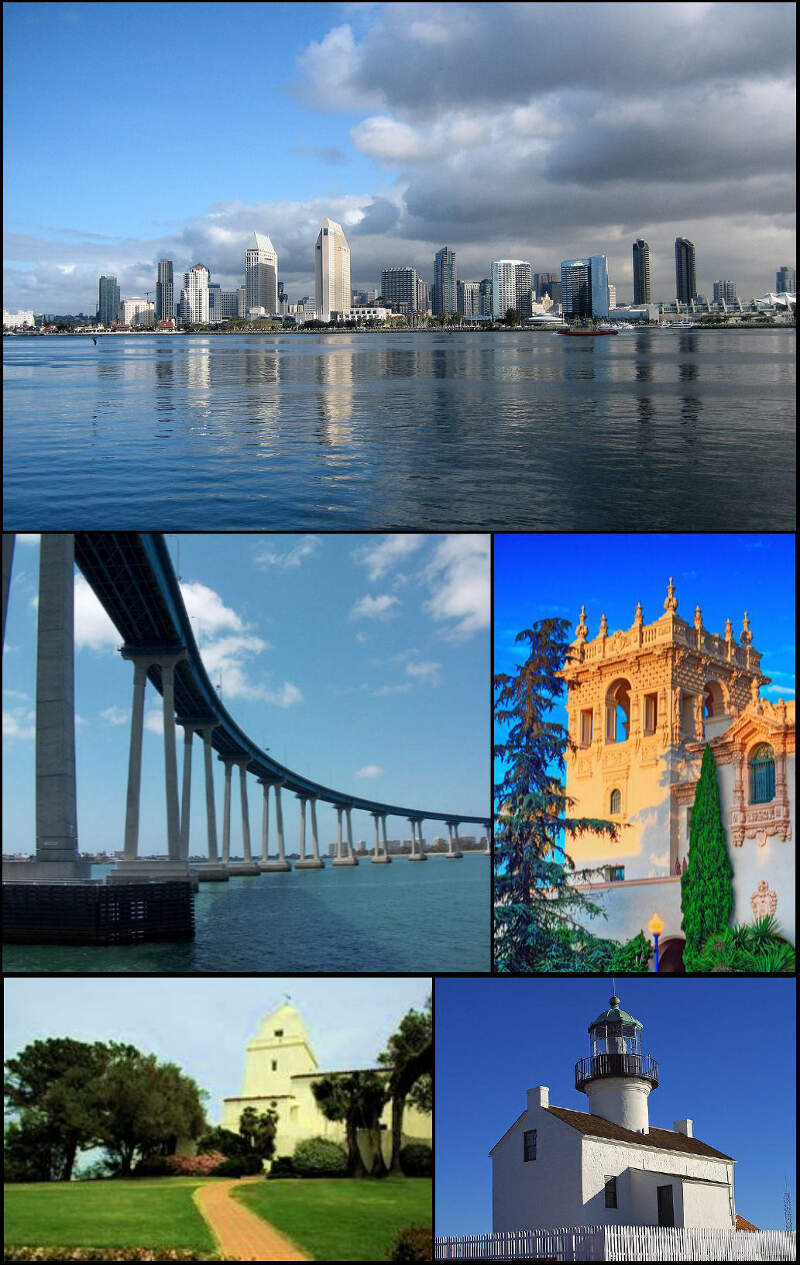
San Diego punches well above its weight culturally. The Gaslamp Quarter anchors downtown nightlife with live music venues, rooftop bars, and late-night dining. North Park has become the craft beer and independent restaurant district of choice, while Hillcrest is the center of LGBTQ+ community life.
Balboa Park houses 17 museums and the San Diego Zoo in one walkable complex. Nothing else in the region concentrates that much culture in one spot. Little Italy's weekend farmers market and restaurant row add an urban European feel.
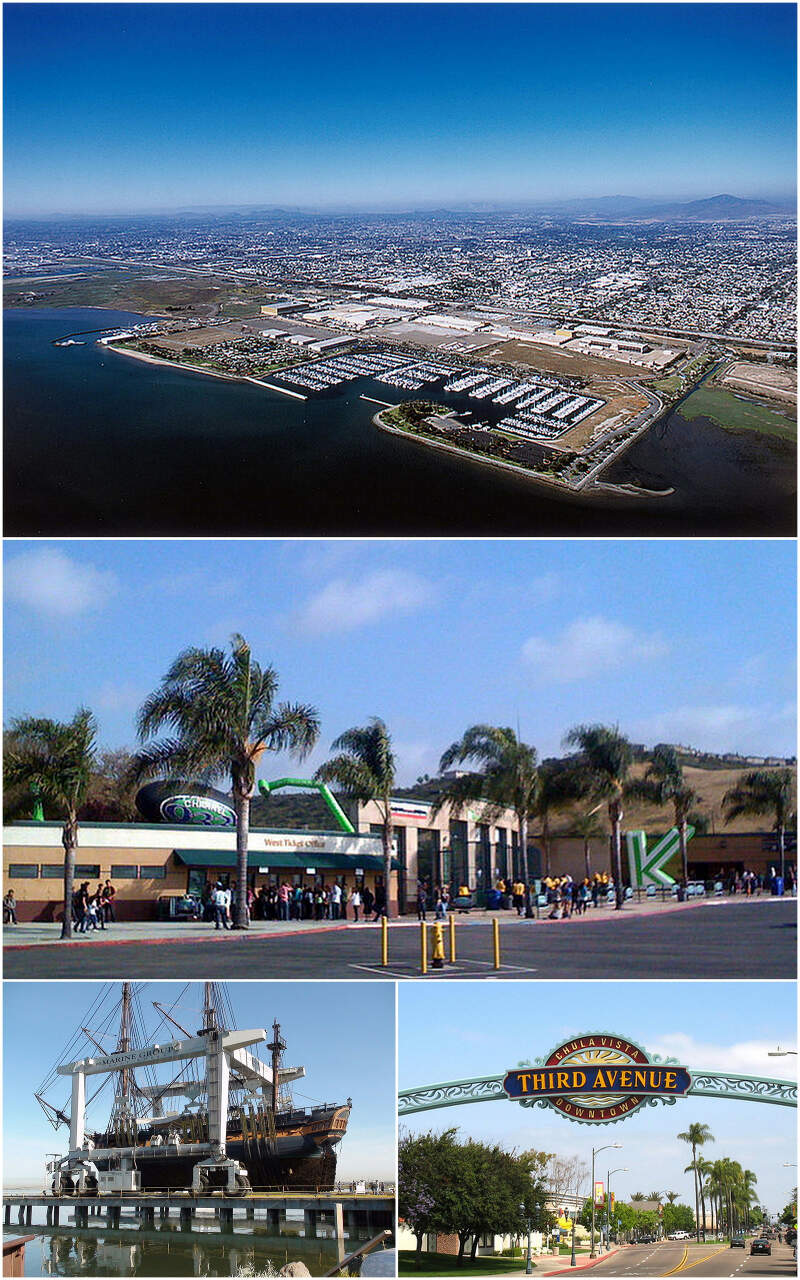
Chula Vista's cultural identity is distinctly Latino. The Third Avenue Village has been revitalized with local restaurants, murals, and community events, and the Otay Ranch area draws young families with newer dining and entertainment. The nightlife scene is quieter and family-oriented, which suits residents who want community without the weekend crowds.
For a big night out, the trolley ride north means you never have to sacrifice one for the other.
Outdoor activities and day trips
Parks, beaches, hikes, and the weekend escapes that define life outside the city limits.
San Diego's outdoor options are hard to match. Balboa Park offers 1,200 acres of trails, gardens, and open lawn minutes from downtown. Mission Bay and its network of paths circle 4,200 acres of water where kayakers, paddleboarders, and cyclists coexist.
Torrey Pines State Reserve delivers coastal bluff hiking with Pacific views, and day trips to Anza-Borrego Desert State Park or the mountain town of Julian are under two hours away. For surfers, breaks at Ocean Beach, Pacific Beach, and La Jolla Cove are all within city limits.
Chula Vista holds its own with Sweetwater Regional Park and Reservoir, which offers hiking and fishing in the hills east of town. The Olympic Training Center on Lower Otay Lake is an unusual landmark — you can watch elite athletes train in cycling, rowing, and track.
Salt Creek Beach Park on the bayfront is quieter and less crowded than San Diego's beaches, which is either a feature or a bug depending on your tolerance for weekend tourist traffic. Families with kids tend to appreciate the breathing room.
Bottom line: which city is right for you?
Based on the head-to-head data above, here's the short version — pick the city that lines up with what you actually care about.
Choose Chula Vista if you prioritize…
- a lower cost of living (cheaper groceries, services, and day-to-day expenses).
- lower crime — a safer place to live, work, and raise a family.
- more affordable housing relative to San Diego.
Choose San Diego if you prioritize…
- a more racially diverse community (lower HHI on Census data).
Methodology: winners are picked from public data — U.S. Census Bureau ACS (income, home value, rent, race/HHI), FBI Uniform Crime Reporting (crime rates per 100k), and HomeSnacks' proprietary SnackAbility quality-of-life score, which blends Bureau of Labor Statistics data with the above.
Other comparisons
Still weighing your options? See how these two cities stack up against other places we've compared head-to-head.