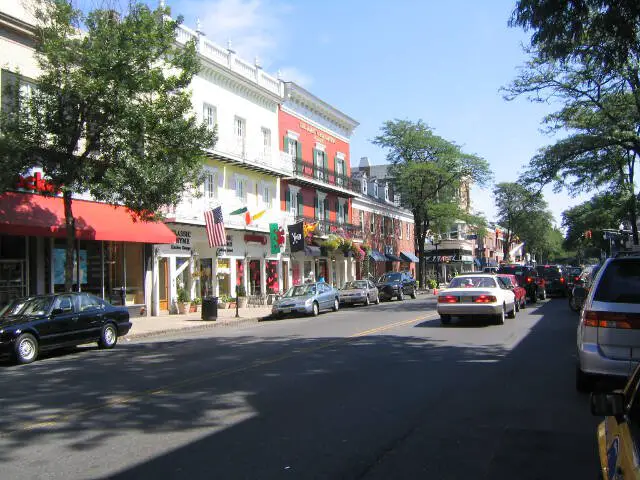
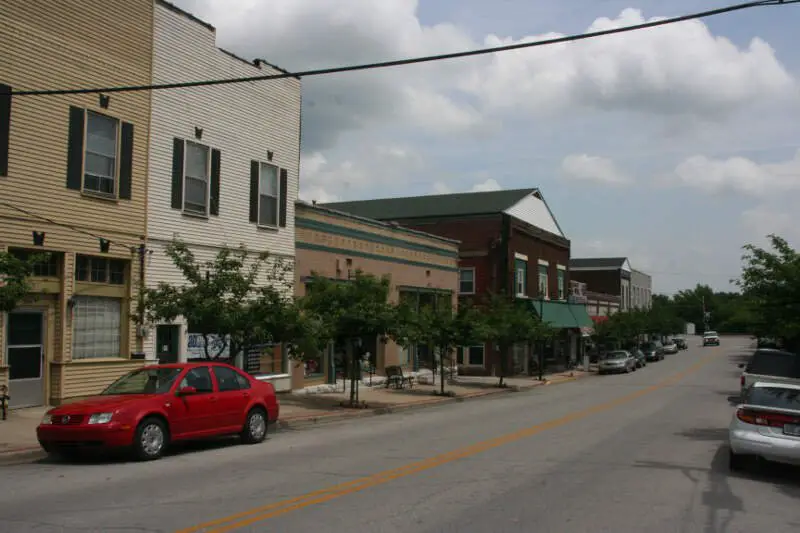
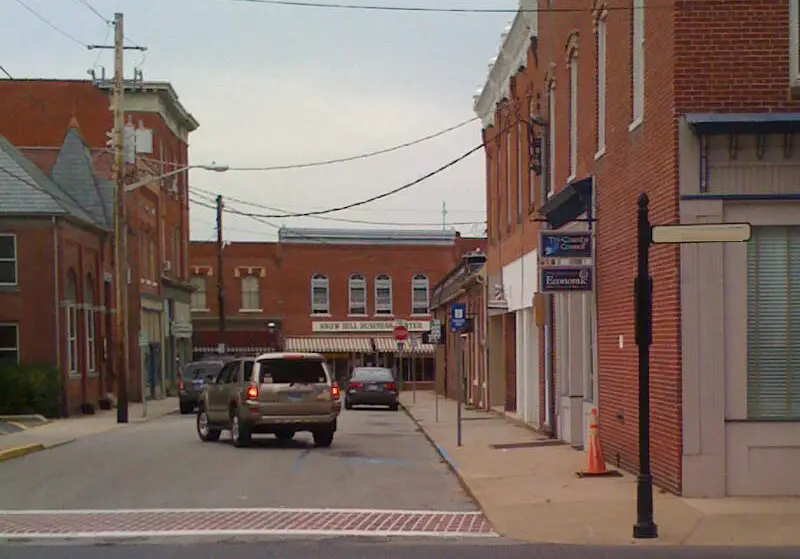
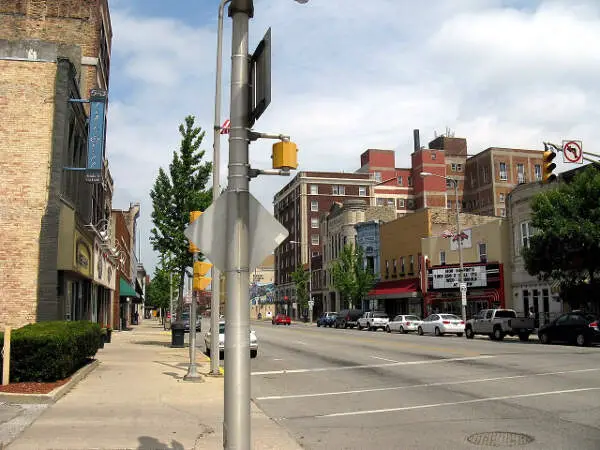
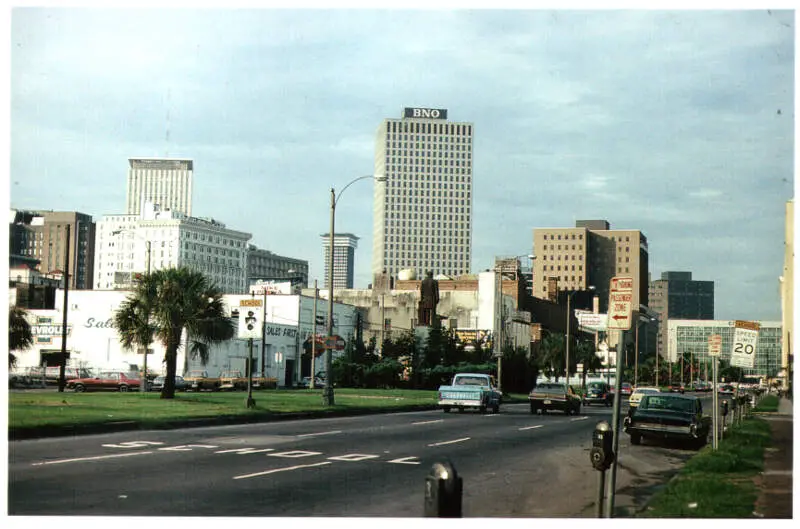
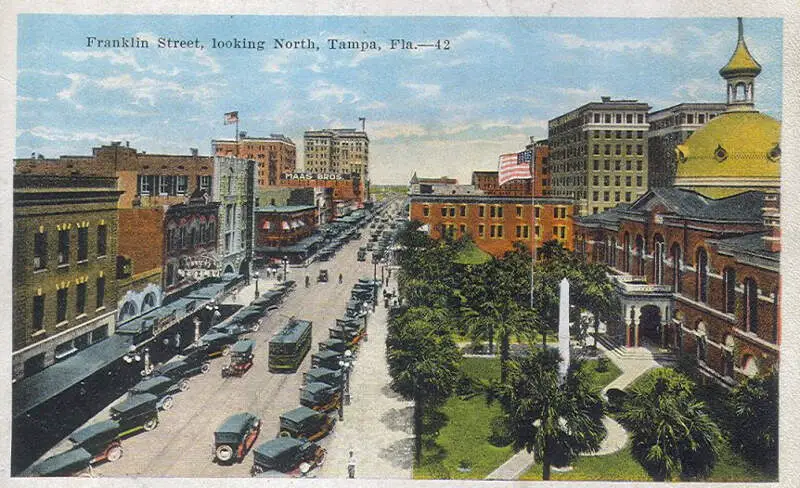
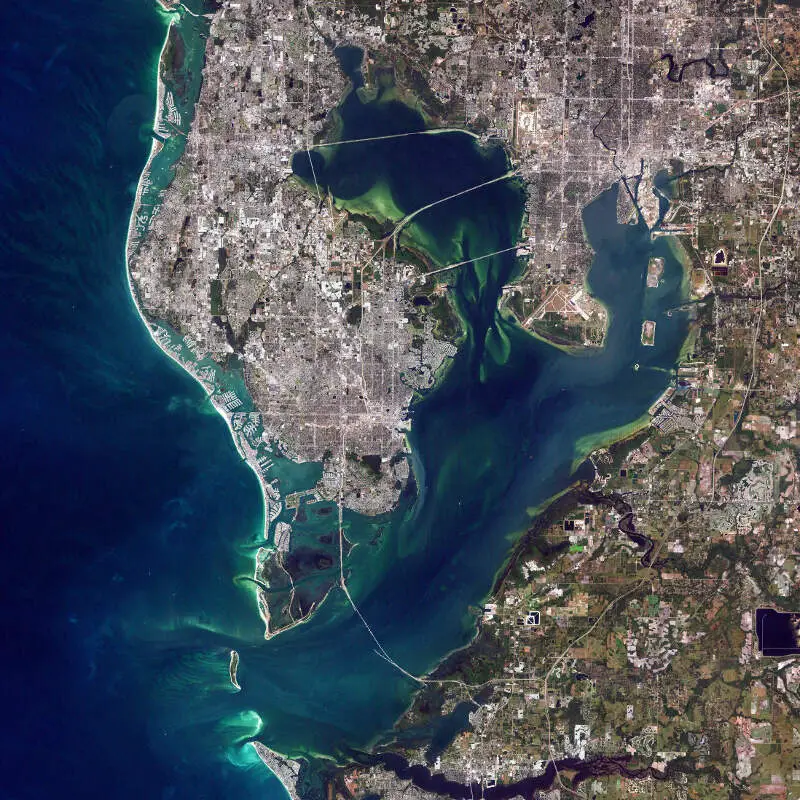
New Orleans vs. Tampa in photos
A side-by-side look at each city.



Cost of living
New Orleans is the cheaper city overall — 7% higher in Tampa than its rival. Index baseline: 100 = national average.
| Living expense | New Orleans | Tampa | US average |
|---|---|---|---|
| Overall | 108 | 116 | 100 |
| Services | 100 | 107 | 100 |
| Groceries | 99 | 105 | 100 |
| Health | 128 | 134 | 100 |
| Housing | 94 | 105 | 100 |
| Transportation | 97 | 113 | 100 |
| Utilities | 96 | 104 | 100 |
Lower index = cheaper. 100 = U.S. national average. Bar inside each cell scales relative to the highest value in the table.
Sources: HomeSnacks Cost of Living indices, normalized so 100 = U.S. national average. Drill in: New Orleans cost of living, Tampa cost of living, or the cheapest cities in America.
Housing breakdown
Home prices are higher in Tampa. Compare absolute price and price-to-income — a $500k home in a $100k-income city is very different from one in a $50k-income city.
| Metric | New Orleans | Tampa | United States |
|---|---|---|---|
| Median Home Value | $242,492 | $374,888 | $332,700 |
| Median Rent | $1,251 | $1,701 | $1,413 |
| Median Income | $56,631 | $75,475 | $80,734 |
| Home Value To Income | 4.3x | 5.0x | 4.1x |
| Rent To Monthly Income | 0.27x | 0.27x | 0.21x |
Source: U.S. Census Bureau ACS 2020-2024. See also states with the highest rent in America.
Crime
Tampa is the safer city — total crime rate of 1,910 per 100k people vs 6,451 for New Orleans. US average: 2,119.
| Crime (per 100k) | New Orleans | Tampa | US average |
|---|---|---|---|
| Total crime | 6,451 | 1,910 | 2,119 |
| Murder | 53 | 9 | 5 |
| Robbery | 180 | 59 | 61 |
| Aggravated Assault | 941 | 335 | 256 |
| Violent Crime | 1,361 | 445 | 359 |
| Burglary | 478 | 167 | 229 |
| Larceny | 2,771 | 1,155 | 1,272 |
| Car Theft | 1,840 | 143 | 259 |
| Property Crime | 5,090 | 1,465 | 1,760 |
Lower = safer. Bar inside each cell scales relative to the highest crime rate in the table.
Source: FBI Uniform Crime Reporting (2024). All rates are per 100,000 people. City pages: New Orleans crime, Tampa crime. See also: safest cities in America.
Diversity
Tampa is more racially diverse — lower HHI (closer to 0) means a more even mix across groups.
| Group | New Orleans | Tampa | United States |
|---|---|---|---|
| White | 30.1% | 44.3% | 57.4% |
| African American | 53.9% | 19.5% | 11.9% |
| American Indian | 0.1% | 0.1% | 0.5% |
| Asian | 2.8% | 4.7% | 5.9% |
| Hawaiian | 0.0% | 0.1% | 0.2% |
| Other | 1.0% | 0.7% | 0.6% |
| Two Or More | 4.0% | 4.4% | 4.3% |
| Hispanic | 8.2% | 26.2% | 19.3% |
Source: U.S. Census ACS 2020-2024. Lower HHI = more even racial mix. See also: most diverse cities in America.
SnackAbility — overall quality of life
Tampa scores higher overall — 6/10 vs 4/10. SnackAbility is our 1–10 quality-of-life score; the median U.S. city scores a 7.
Scores are 0–10; both bars share the same scale.
SnackAbility is a HomeSnacks proprietary 1–10 score blending jobs, housing, education, commute, amenities, affordability, crime, and diversity. Median U.S. city ≈ 7. Data: Census, BLS, FBI. See also: best places to live in America.
Getting around: New Orleans vs. Tampa
How each city handles commuting, transit, walkability, and car culture — the day-to-day reality that shapes where you'd actually want to live.
New Orleans has two main car-free options: the St. Charles streetcar line through the Garden District and Uptown (one of the oldest continuously operating streetcars in the world), and RTA buses. The French Quarter and Marigny are genuinely walkable, but most outlying neighborhoods require a car, and the city's notorious potholes make driving its own challenge.
Tampa's HART bus system covers the metro but runs infrequently, and the downtown TECO Line streetcar is more tourist attraction than commuter tool. Nearly everyone drives I-275, I-4, and the Selmon Expressway.
Both cities lag far behind larger metros on transit. New Orleans at least offers a handful of car-free corridors and a denser, more compact core that Tampa's spread-out layout doesn't match.
Jobs and careers in New Orleans vs. Tampa
The local job market, dominant industries, and which city to choose based on your career.
Tampa's median household income of $75,475 outpaces New Orleans's $56,631 by a wide margin, and the job market explains most of the gap. Tampa's economy runs on finance (Raymond James Financial and Citigroup both have major operations here), healthcare giants like Moffitt Cancer Center and BayCare, a large defense contracting sector around MacDill Air Force Base, and a growing tech presence in the Channel District and Westshore corridor. New Orleans is more heavily tied to tourism, hospitality, and the energy sector, where port logistics and offshore oil and gas support some higher-earning roles, alongside major employers like Ochsner Health and Tulane University.
If you work in finance, healthcare administration, or tech, Tampa offers more career runway and a stronger salary floor. New Orleans suits those in the culinary arts, the energy industry, or creative fields who are willing to trade income for cultural richness.
Weather and climate
What to expect day-to-day — sun, fog, heat, rain, and the seasonal extremes that shape the lifestyle.
Both cities are in the humid subtropical zone, so expect hot, steamy summers with near-daily afternoon thunderstorms from June through September. Tampa is the lightning capital of the United States, so you'll learn quickly to watch the afternoon sky if you spend time outdoors. New Orleans summers run marginally hotter and muggier, with heat indices regularly pushing past 105°F.
The city's below-sea-level topography makes heavy rain events more consequential on the streets than they'd be elsewhere. Winters are mild in both places: Tampa rarely dips below 50°F, while New Orleans gets the occasional cold snap but essentially no snow.
Both cities face genuine hurricane risk from June through November. Coastal flooding is a more persistent, structural concern in New Orleans. The memory of Katrina still shapes how residents think about storm preparation and long-term risk.
Culture, nightlife, and entertainment
Food, music, neighborhoods, and the city vibe that gives each place its personality.
New Orleans has one of the most distinct cultural identities of any American city. Frenchmen Street in the Marigny has live jazz, funk, and brass band music seven nights a week, often without a cover charge. Mardi Gras and Jazz Fest are world-class, and neighborhoods like the Bywater and Tremé have artistic depth that keeps revealing itself.
The food culture has its own pull: po'boys, crawfish étouffée, beignets at Café Du Monde. Tampa's Ybor City, the historic Cuban immigrant quarter, has a lively bar scene, the landmark Columbia Restaurant, and a cigar-rolling heritage still alive in a handful of shops. Beyond Ybor, Hyde Park Village, the Channel District, and Armature Works offer polished restaurants and craft breweries.
It's a younger, more mainstream scene than New Orleans, with fewer genre-defining traditions but steadily improving variety.
Outdoor activities and day trips
Parks, beaches, hikes, and the weekend escapes that define life outside the city limits.
Tampa's spot on Tampa Bay puts you within easy reach of some of Florida's best recreational water. Bayshore Boulevard has a 4.5-mile waterfront path for running and cycling, Fort De Soto Park has award-winning beaches, and Clearwater Beach and St. Pete Beach are a 30-to-45-minute drive away. Kayaking the Hillsborough River or paddling the bay's mangrove-lined shorelines works year-round.
New Orleans trades beaches for bayous. Jean Lafitte National Historical Park drops you into authentic swamp country within 30 minutes of downtown, and the 1,300-acre City Park (larger than Central Park) has trails, fishing lagoons, and open green space. Lake Pontchartrain draws sailors and anglers, and swamp tour operators can get you close to alligators and herons the same afternoon.
Neither city offers mountains or high desert, but Tampa's direct access to Gulf beaches gives it a clear edge if sand and open water are your primary outdoor anchors.
Bottom line: which city is right for you?
Based on the head-to-head data above, here's the short version — pick the city that lines up with what you actually care about.
Choose New Orleans if you prioritize…
- a lower cost of living (cheaper groceries, services, and day-to-day expenses).
Choose Tampa if you prioritize…
- lower crime — a safer place to live, work, and raise a family.
- more affordable housing relative to New Orleans.
- a more racially diverse community (lower HHI on Census data).
- a higher overall SnackAbility quality-of-life score.
Methodology: winners are picked from public data — U.S. Census Bureau ACS (income, home value, rent, race/HHI), FBI Uniform Crime Reporting (crime rates per 100k), and HomeSnacks' proprietary SnackAbility quality-of-life score, which blends Bureau of Labor Statistics data with the above.
Other comparisons
Still weighing your options? See how these two cities stack up against other places we've compared head-to-head.