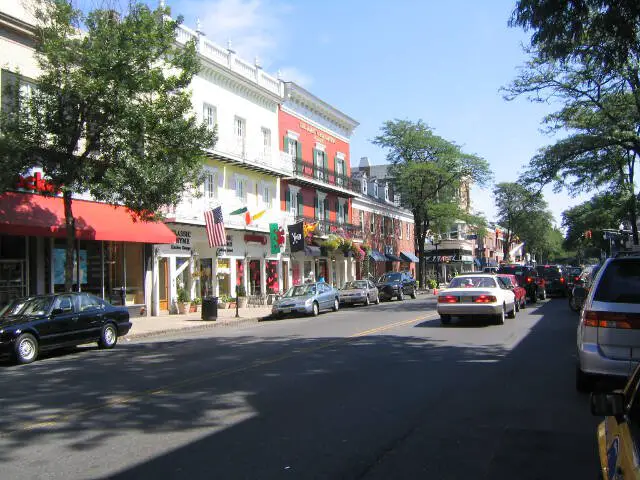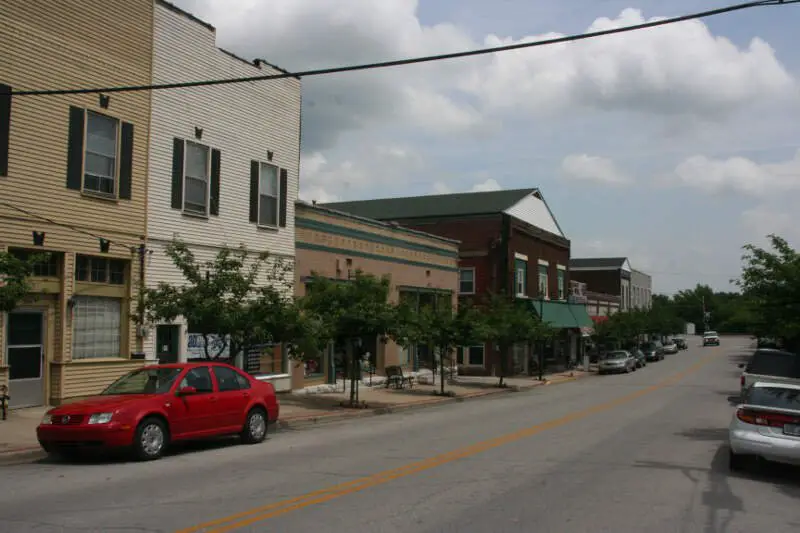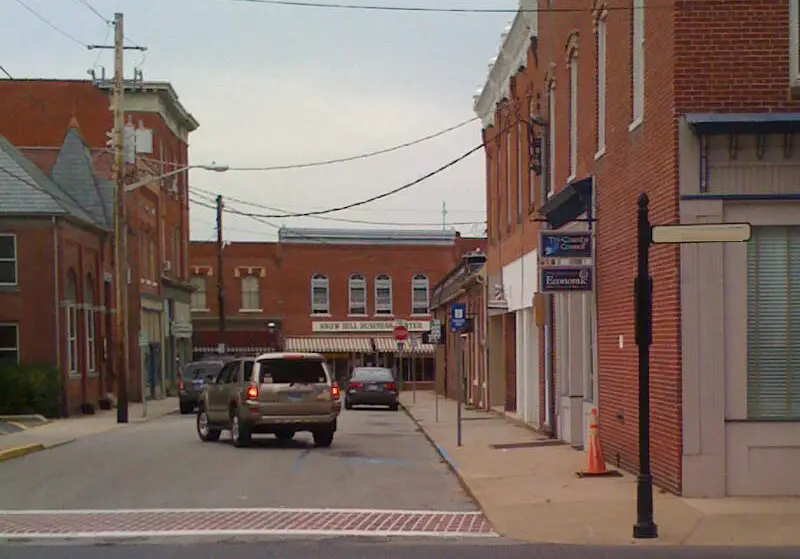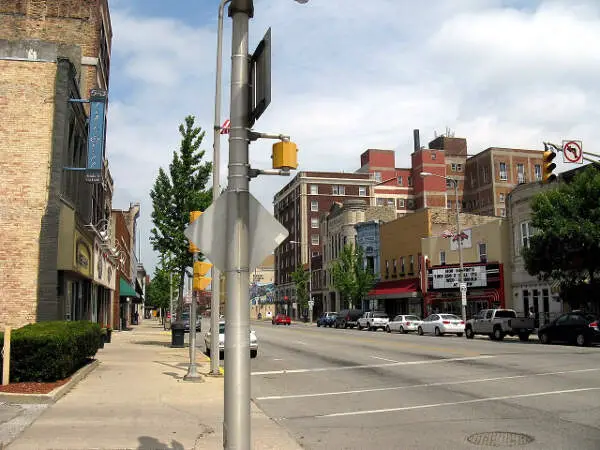
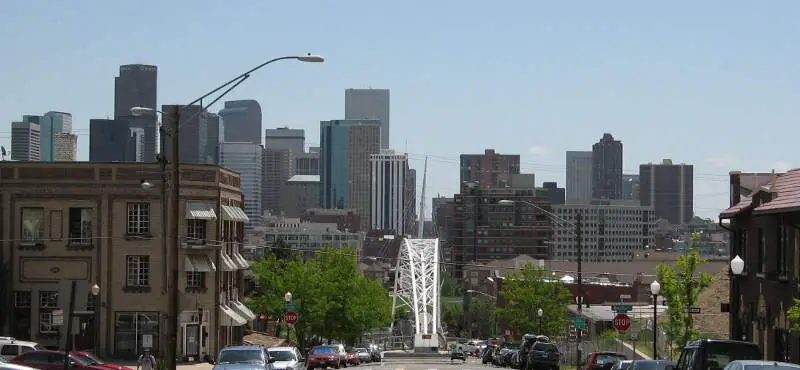
Omaha vs. Denver in photos
A side-by-side look at each city.




Cost of living
Omaha is the cheaper city overall — 30% higher in Denver than its rival. Index baseline: 100 = national average.
| Living expense | Omaha | Denver | US average |
|---|---|---|---|
| Overall | 100 | 142 | 100 |
| Services | 98 | 108 | 100 |
| Groceries | 101 | 107 | 100 |
| Health | 93 | 214 | 100 |
| Housing | 103 | 113 | 100 |
| Transportation | 97 | 110 | 100 |
| Utilities | 95 | 111 | 100 |
Lower index = cheaper. 100 = U.S. national average. Bar inside each cell scales relative to the highest value in the table.
Sources: HomeSnacks Cost of Living indices, normalized so 100 = U.S. national average. Drill in: Omaha cost of living, Denver cost of living, or the cheapest cities in America.
Housing breakdown
Home prices are higher in Denver. Compare absolute price and price-to-income — a $500k home in a $100k-income city is very different from one in a $50k-income city.
| Metric | Omaha | Denver | United States |
|---|---|---|---|
| Median Home Value | $294,188 | $539,666 | $332,700 |
| Median Rent | $1,187 | $1,831 | $1,413 |
| Median Income | $73,201 | $94,718 | $80,734 |
| Home Value To Income | 4.0x | 5.7x | 4.1x |
| Rent To Monthly Income | 0.19x | 0.23x | 0.21x |
Source: U.S. Census Bureau ACS 2020-2024. See also states with the highest rent in America.
Crime
Omaha is the safer city — total crime rate of 3,531 per 100k people vs 5,755 for Denver. US average: 2,119.
| Crime (per 100k) | Omaha | Denver | US average |
|---|---|---|---|
| Total crime | 3,531 | 5,755 | 2,119 |
| Murder | 4 | 10 | 5 |
| Robbery | 47 | 176 | 61 |
| Aggravated Assault | 272 | 713 | 256 |
| Violent Crime | 369 | 993 | 359 |
| Burglary | 236 | 708 | 229 |
| Larceny | 2,264 | 2,822 | 1,272 |
| Car Theft | 662 | 1,232 | 259 |
| Property Crime | 3,162 | 4,762 | 1,760 |
Lower = safer. Bar inside each cell scales relative to the highest crime rate in the table.
Source: FBI Uniform Crime Reporting (2024). All rates are per 100,000 people. City pages: Omaha crime, Denver crime. See also: safest cities in America.
Diversity
Denver is more racially diverse — lower HHI (closer to 0) means a more even mix across groups.
| Group | Omaha | Denver | United States |
|---|---|---|---|
| White | 63.4% | 54.0% | 57.4% |
| African American | 11.4% | 8.6% | 11.9% |
| American Indian | 0.2% | 0.3% | 0.5% |
| Asian | 4.0% | 3.6% | 5.9% |
| Hawaiian | 0.0% | 0.1% | 0.2% |
| Other | 0.3% | 0.5% | 0.6% |
| Two Or More | 4.4% | 4.8% | 4.3% |
| Hispanic | 16.2% | 28.0% | 19.3% |
Source: U.S. Census ACS 2020-2024. Lower HHI = more even racial mix. See also: most diverse cities in America.
SnackAbility — overall quality of life
Denver scores higher overall — 8/10 vs 7/10. SnackAbility is our 1–10 quality-of-life score; the median U.S. city scores a 7.
Scores are 0–10; both bars share the same scale.
SnackAbility is a HomeSnacks proprietary 1–10 score blending jobs, housing, education, commute, amenities, affordability, crime, and diversity. Median U.S. city ≈ 7. Data: Census, BLS, FBI. See also: best places to live in America.
Getting around: Omaha vs. Denver
How each city handles commuting, transit, walkability, and car culture — the day-to-day reality that shapes where you'd actually want to live.
If you commute by car, Omaha will feel easy by major-metro standards: the road network is flat, traffic rarely stacks up, and parking is almost never a battle. Metro Area Transit (MAT) runs fixed bus routes, but coverage is thin enough that most residents drive. Biking has grown, particularly along the Keystone Trail, but it's still a supplemental option.
Denver gives you far more transit choices: RTD's light rail and commuter rail lines reach downtown from the suburbs, and the University of Colorado A Line connects Union Station directly to Denver International Airport. That said, I-25 and I-70 through downtown can grind to a halt during rush hour, and the metro's sprawl means many residents still drive daily. If you live near a light rail corridor, you can genuinely commute car-free in Denver in a way that's not realistic in Omaha.
Jobs and careers in Omaha vs. Denver
The local job market, dominant industries, and which city to choose based on your career.
Omaha punches above its weight as a corporate headquarters town: Union Pacific Railroad, Berkshire Hathaway, Mutual of Omaha, and Kiewit are all anchored here, and Offutt Air Force Base adds a substantial defense and federal civilian workforce south of the city. CHI Health and Nebraska Medicine round out a solid healthcare sector. The tradeoff is that median household income sits at $73,201, and the industry mix is narrower than in a larger metro.
Denver's economy casts a wider net, pulling in oil-and-gas majors and renewables firms, aerospace players like Lockheed Martin, healthcare giants like DaVita, and a growing tech scene centered on the downtown and RiNo corridors. Median household income reaches $94,718. Denver's cost-of-living index hits 142 against Omaha's 100, though, so run the real math on your specific salary before assuming Denver means more take-home pay.
Weather and climate
What to expect day-to-day — sun, fog, heat, rain, and the seasonal extremes that shape the lifestyle.
Omaha sits squarely in the continental climate zone, which means you'll earn those pleasant spring and fall seasons. Summers are hot and genuinely humid — July highs regularly push into the low 90s — and the city sits in tornado alley, so severe-weather seasons are a real part of life. Winters are cold and snowy, with stretches of subzero wind chills that can catch newcomers off guard.
Denver's climate surprises most people from the Midwest: at 5,280 feet the air is dry, and the city averages around 300 days of sunshine a year, with Chinook winds pushing temperatures into the 60s in mid-winter. The catch is that spring blizzards are common well into April, and summer afternoon thunderstorms roll in fast from the mountains. Neither city has easy weather all year, but Denver's low humidity makes both the heat and cold feel milder than the raw numbers suggest.
Culture, nightlife, and entertainment
Food, music, neighborhoods, and the city vibe that gives each place its personality.
Omaha's cultural scene is underrated for a metro under 500,000. The Old Market, a cobblestone warehouse district near downtown, anchors the restaurant and bar scene, and the Joslyn Art Museum holds a strong permanent collection. The Omaha Symphony performs at the Holland Performing Arts Center, and the Benson neighborhood draws a younger crowd to dive bars and live-music rooms.
Denver operates at a different scale. The RiNo (River North) Art District packs galleries, craft breweries, and chef-driven restaurants into former warehouses, and Capitol Hill and Colfax Avenue cover the indie-music and late-night crowd. Red Rocks Amphitheatre, 15 miles west in the foothills, hosts concerts in a natural setting almost no other city can match, and if nightlife and arts variety are deciding factors for you, Denver has a clear edge.
Outdoor activities and day trips
Parks, beaches, hikes, and the weekend escapes that define life outside the city limits.
Omaha's outdoor options are solid for a Great Plains city. The Keystone Trail system threads through much of the metro, Fontenelle Forest offers genuine woodland hiking along the Missouri River bluffs, and Chalco Hills Recreation Area gives you lakeside trails and birding on the city's western edge. Day trips to Platte River State Park or the Loess Hills of western Iowa expand the palette, but the terrain is flat and the scenery is decidedly Midwestern.
Denver is essentially a basecamp for some of the best outdoor recreation in North America. Rocky Mountain National Park is about 90 minutes away, ski resorts like Breckenridge, Keystone, and Vail are within two hours on I-70, and you can be hiking above treeline on a weekday evening. Washington Park and Cherry Creek State Park handle everyday running and cycling, but if outdoor adventure is a major factor in where you live, this comparison isn't close: Denver wins outright.
Bottom line: which city is right for you?
Based on the head-to-head data above, here's the short version — pick the city that lines up with what you actually care about.
Choose Omaha if you prioritize…
- a lower cost of living (cheaper groceries, services, and day-to-day expenses).
- lower crime — a safer place to live, work, and raise a family.
Choose Denver if you prioritize…
- more affordable housing relative to Omaha.
- a more racially diverse community (lower HHI on Census data).
- a higher overall SnackAbility quality-of-life score.
Methodology: winners are picked from public data — U.S. Census Bureau ACS (income, home value, rent, race/HHI), FBI Uniform Crime Reporting (crime rates per 100k), and HomeSnacks' proprietary SnackAbility quality-of-life score, which blends Bureau of Labor Statistics data with the above.
Other comparisons
Still weighing your options? See how these two cities stack up against other places we've compared head-to-head.