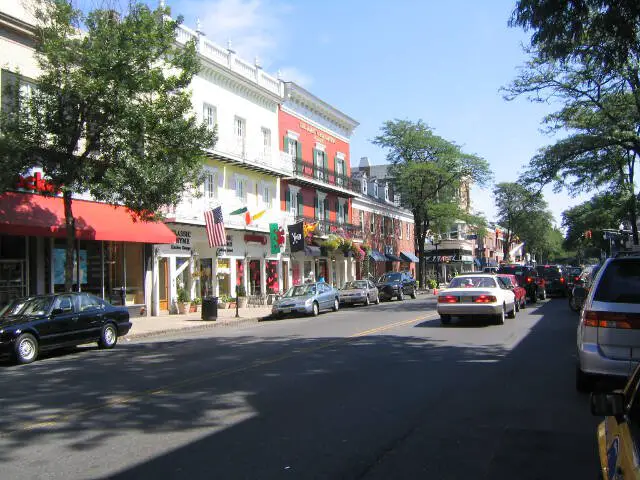
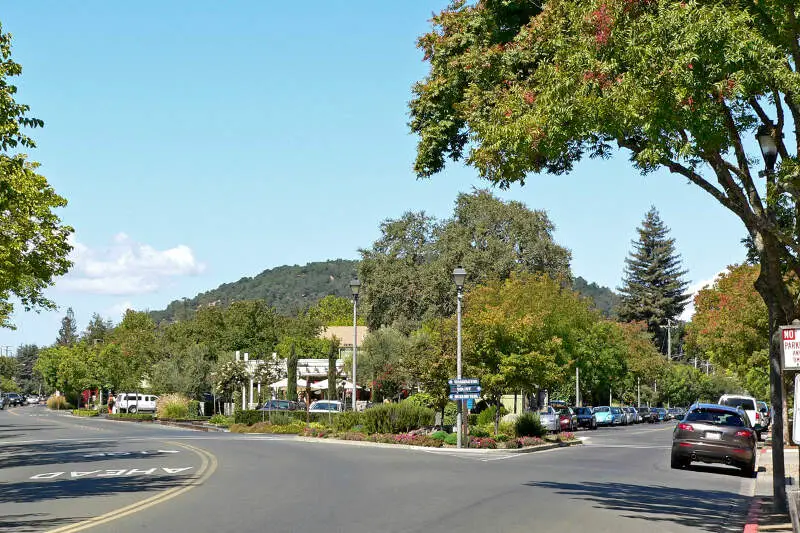
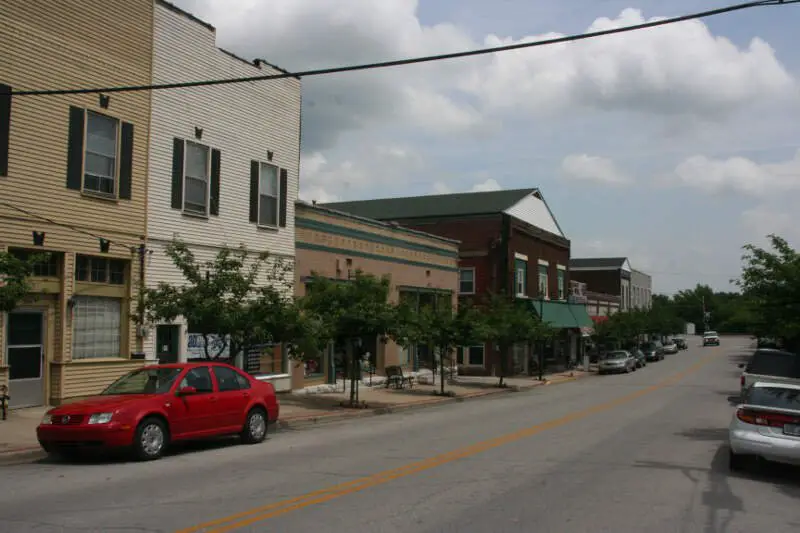
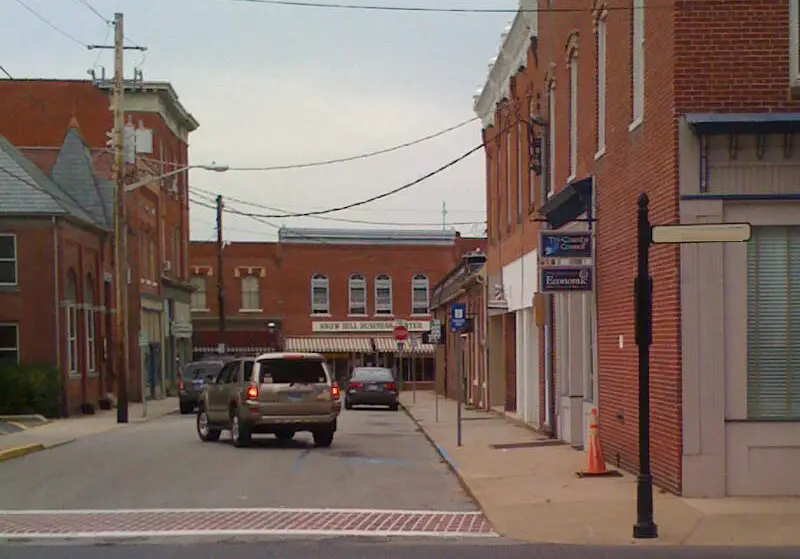
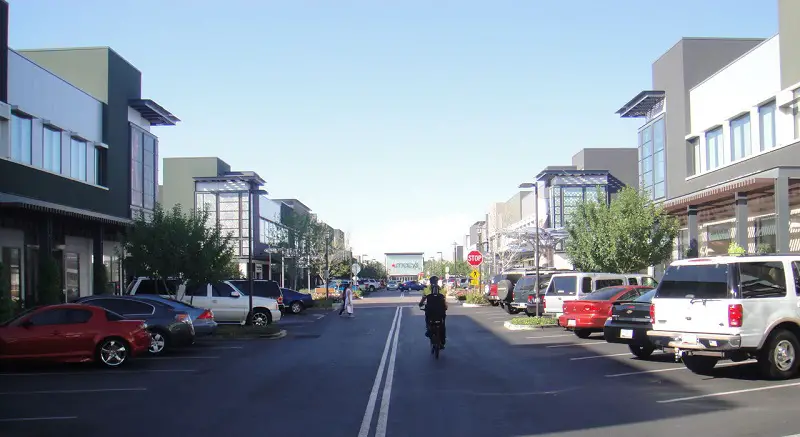
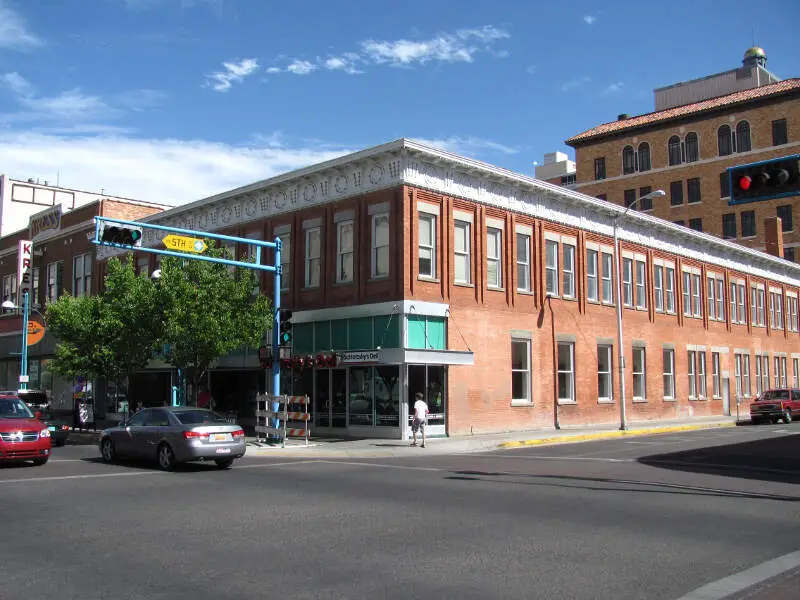
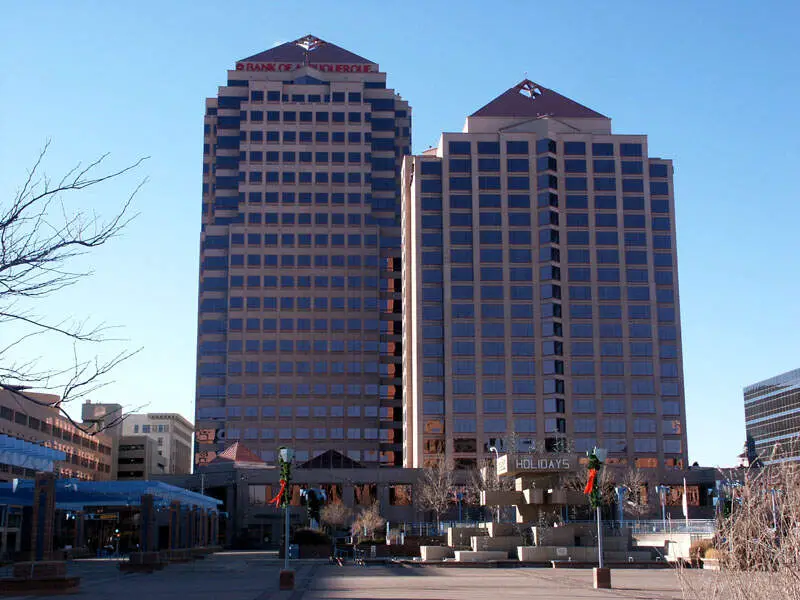
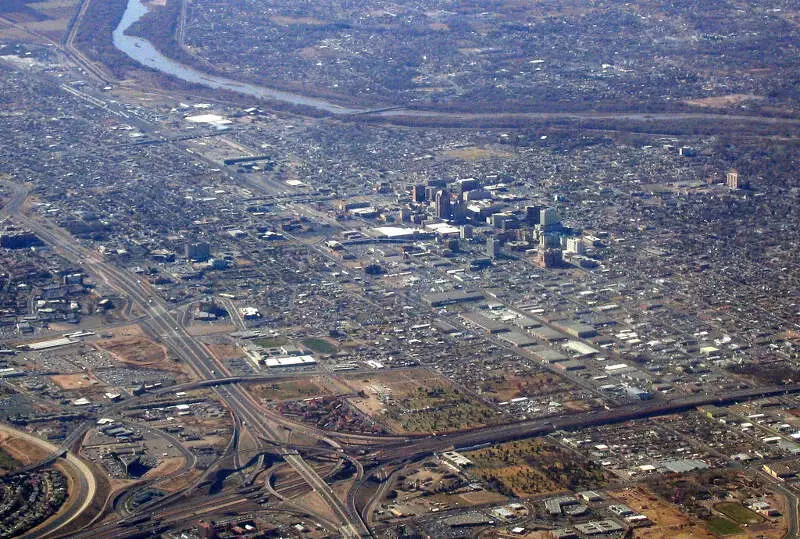
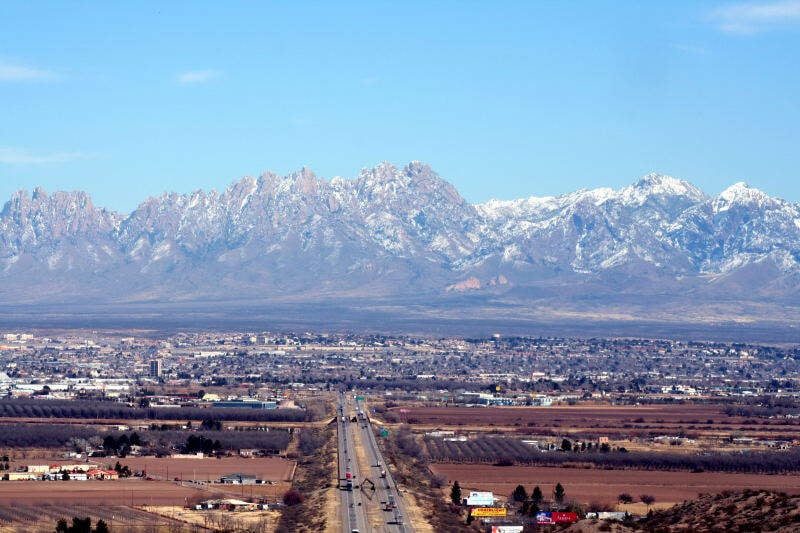
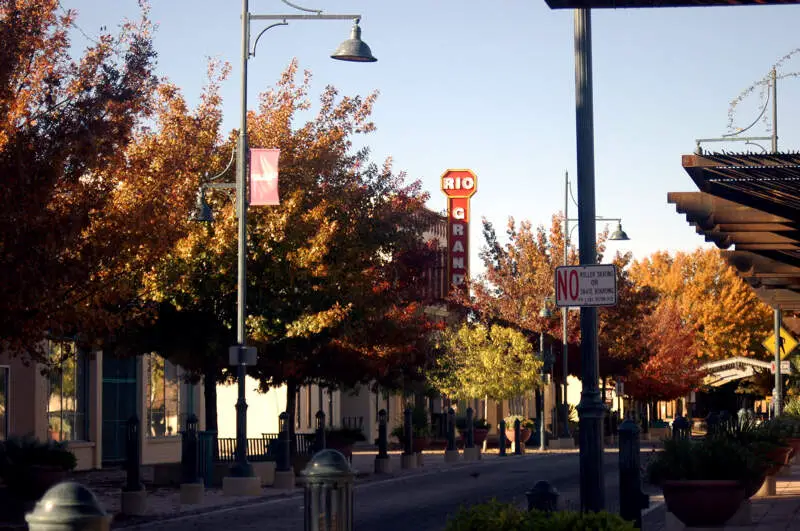
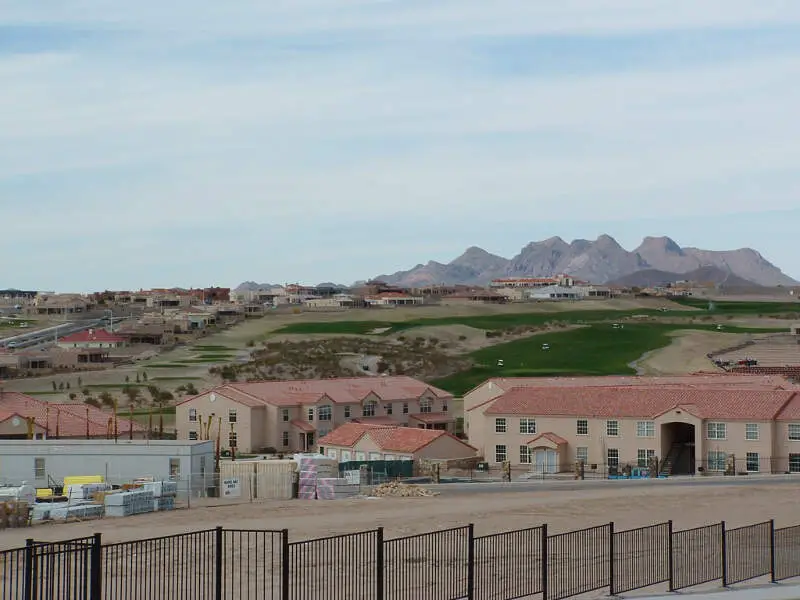
Albuquerque vs. Las Cruces in photos
A side-by-side look at each city.
Cost of living
Las Cruces is the cheaper city overall — 10% higher in Albuquerque than its rival. Index baseline: 100 = national average.
| Living expense | Albuquerque | Las Cruces | US average |
|---|---|---|---|
| Overall | 102 | 93 | 100 |
| Services | 97 | 94 | 100 |
| Groceries | 97 | 101 | 100 |
| Health | 110 | 85 | 100 |
| Housing | 97 | 99 | 100 |
| Transportation | 94 | 97 | 100 |
| Utilities | 97 | 95 | 100 |
Lower index = cheaper. 100 = U.S. national average. Bar inside each cell scales relative to the highest value in the table.
Sources: HomeSnacks Cost of Living indices, normalized so 100 = U.S. national average. Drill in: Albuquerque cost of living, Las Cruces cost of living, or the cheapest cities in America.
Housing breakdown
Home prices are higher in Albuquerque. Compare absolute price and price-to-income — a $500k home in a $100k-income city is very different from one in a $50k-income city.
| Metric | Albuquerque | Las Cruces | United States |
|---|---|---|---|
| Median Home Value | $344,457 | $290,022 | $332,700 |
| Median Rent | $1,145 | $974 | $1,413 |
| Median Income | $68,317 | $55,422 | $80,734 |
| Home Value To Income | 5.0x | 5.2x | 4.1x |
| Rent To Monthly Income | 0.2x | 0.21x | 0.21x |
Source: U.S. Census Bureau ACS 2020-2024. See also states with the highest rent in America.
Crime
Las Cruces is the safer city — total crime rate of 5,593 per 100k people vs 5,811 for Albuquerque. US average: 2,119.
| Crime (per 100k) | Albuquerque | Las Cruces | US average |
|---|---|---|---|
| Total crime | 5,811 | 5,593 | 2,119 |
| Murder | 18 | 12 | 5 |
| Robbery | 159 | 58 | 61 |
| Aggravated Assault | 942 | 592 | 256 |
| Violent Crime | 1,182 | 720 | 359 |
| Burglary | 772 | 737 | 229 |
| Larceny | 2,839 | 3,443 | 1,272 |
| Car Theft | 1,017 | 693 | 259 |
| Property Crime | 4,629 | 4,873 | 1,760 |
Lower = safer. Bar inside each cell scales relative to the highest crime rate in the table.
Source: FBI Uniform Crime Reporting (2024). All rates are per 100,000 people. City pages: Albuquerque crime, Las Cruces crime. See also: safest cities in America.
Diversity
Albuquerque is more racially diverse — lower HHI (closer to 0) means a more even mix across groups.
| Group | Albuquerque | Las Cruces | United States |
|---|---|---|---|
| White | 37.5% | 32.6% | 57.4% |
| African American | 2.9% | 1.9% | 11.9% |
| American Indian | 3.9% | 0.8% | 0.5% |
| Asian | 3.2% | 1.7% | 5.9% |
| Hawaiian | 0.1% | 0.0% | 0.2% |
| Other | 0.7% | 0.2% | 0.6% |
| Two Or More | 3.9% | 2.4% | 4.3% |
| Hispanic | 47.7% | 60.3% | 19.3% |
Source: U.S. Census ACS 2020-2024. Lower HHI = more even racial mix. See also: most diverse cities in America.
SnackAbility — overall quality of life
Albuquerque and Las Cruces tied at 6/10.
Scores are 0–10; both bars share the same scale.
SnackAbility is a HomeSnacks proprietary 1–10 score blending jobs, housing, education, commute, amenities, affordability, crime, and diversity. Median U.S. city ≈ 7. Data: Census, BLS, FBI. See also: best places to live in America.
Getting around: Albuquerque vs. Las Cruces
How each city handles commuting, transit, walkability, and car culture — the day-to-day reality that shapes where you'd actually want to live.
Albuquerque gives you more options if you prefer not to drive everywhere. The city runs ABQ RIDE, its municipal bus network, and the Albuquerque Rapid Transit (ART) corridor along Central Avenue connects neighborhoods like Nob Hill, Downtown, and the University of New Mexico. The Sunport airport makes national travel straightforward.
Most Burqueños still commute by car, and the metro's sprawl means you'll spend real time on I-25 or I-40 during peak hours.
Las Cruces is smaller and more car-dependent. RoadRUNNER Transit runs local routes, but coverage is limited and headways are long, so without a vehicle your daily options narrow quickly. The city sits along I-10 and is about 45 minutes from El Paso, TX, which puts a larger airport and a broader regional economy within reach.
Both cities are drivable desert metros, but Albuquerque has the edge for anyone who wants even a modest transit alternative.
Jobs and careers in Albuquerque vs. Las Cruces
The local job market, dominant industries, and which city to choose based on your career.
Albuquerque's economy is anchored by Kirtland Air Force Base, Sandia National Laboratories, the University of New Mexico Health Sciences Center, and a growing Intel semiconductor facility on the West Side. That mix of defense, research, and healthcare gives the job market more depth and resilience than most cities this size. The median household income of $68,317 reflects a white-collar and skilled-trades base, though wage growth has lagged behind Sun Belt peers.
Las Cruces leans heavily on New Mexico State University, the state government, and White Sands Missile Range, a pattern familiar to anyone who's spent time in a college-and-military town. Public-sector work is reliable, but private-sector opportunities are thinner, and the median household income of $55,422 is noticeably lower.
A cost of living index of 93 (versus Albuquerque's 102) helps offset that gap, and median rent of $974 versus $1,145 in Albuquerque means your paycheck goes further on housing. If career advancement and industry variety matter to you, Albuquerque has the broader job market.
Weather and climate
What to expect day-to-day — sun, fog, heat, rain, and the seasonal extremes that shape the lifestyle.
Both cities get abundant sunshine and low humidity year-round, with four seasons that stay mild by most standards. Albuquerque sits at about 5,300 feet in the Rio Grande valley, which means summers that top out in the mid-90s, occasional winter snow, and a monsoon season each July and August that brings afternoon thunderstorms. The Sandia Mountains directly east of the city can push temperatures and snowpack dramatically within just a few miles.
Las Cruces sits lower, around 3,900 feet, in the Mesilla Valley near the Organ Mountains. Winters are milder, with fewer freezing nights than in Albuquerque, and summers run hotter, with triple-digit days more common in June before the monsoon arrives.
If you hate scraping ice off your car, Las Cruces has the edge. If you want slightly cooler summers and a mountain backdrop in winter, Albuquerque's higher elevation is the better fit.
Culture, nightlife, and entertainment
Food, music, neighborhoods, and the city vibe that gives each place its personality.
Old Town Albuquerque anchors the cultural scene with galleries and the New Mexico Museum of Natural History a short walk away. The Nob Hill strip along Central Avenue has independent restaurants, craft breweries, and live-music venues. Meow Wolf's permanent installation draws visitors from outside the city, and the International Balloon Fiesta each October is one of the most-watched events in the Southwest.
For a city of 562,000, the nightlife across Downtown, the EDo arts district, and Nob Hill covers real ground.
Las Cruces has a smaller but genuine cultural core. The Mesilla Plaza, a short drive from downtown, is a historic square ringed with adobe shops and chile-forward restaurants built along the old Butterfield Stage route. The history there feels lived-in, and NMSU's presence keeps live music, theater, and lectures flowing year-round.
Nightlife in Las Cruces closes earlier and runs quieter than in Albuquerque, but the proximity to El Paso (about 45 minutes south) gives residents a realistic option for bigger concerts and club nights when the mood strikes.
Outdoor activities and day trips
Parks, beaches, hikes, and the weekend escapes that define life outside the city limits.
The Sandia Mountains, just east of Albuquerque, have over 200 miles of trails in the Cibola National Forest. Sandia Peak is reachable by tram, with views that stretch into Texas on clear days. The Bosque trail system along the Rio Grande runs flat through cottonwood forest right inside the city limits.
Day trips from Albuquerque reach the Jemez Mountains hot springs, Valles Caldera, and Bandelier National Monument, all within 90 minutes.
Las Cruces has the Organ Mountains-Desert Peaks National Monument essentially in its backyard, a jagged range with trails from easy desert walks to technical scrambles. The Rio Grande bosque runs through here too, and White Sands National Park is about an hour's drive east, an experience unlike anything in Albuquerque's orbit.
Las Cruces is a smaller city, but the outdoor access is strong relative to its size. If White Sands and the Organs are your kind of terrain, you won't feel shortchanged by leaving Albuquerque behind.
Bottom line: which city is right for you?
Based on the head-to-head data above, here's the short version — pick the city that lines up with what you actually care about.
Choose Albuquerque if you prioritize…
- more affordable housing relative to Las Cruces.
- a more racially diverse community (lower HHI on Census data).
Choose Las Cruces if you prioritize…
- a lower cost of living (cheaper groceries, services, and day-to-day expenses).
- lower crime — a safer place to live, work, and raise a family.
Methodology: winners are picked from public data — U.S. Census Bureau ACS (income, home value, rent, race/HHI), FBI Uniform Crime Reporting (crime rates per 100k), and HomeSnacks' proprietary SnackAbility quality-of-life score, which blends Bureau of Labor Statistics data with the above.
Other comparisons
Still weighing your options? See how these two cities stack up against other places we've compared head-to-head.