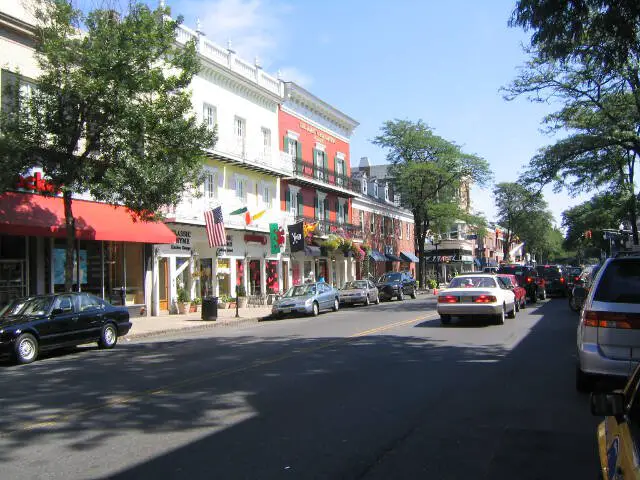
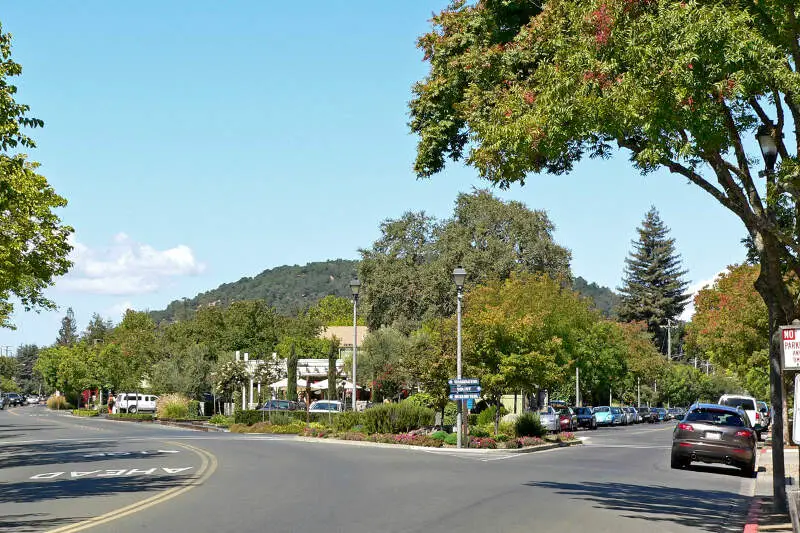
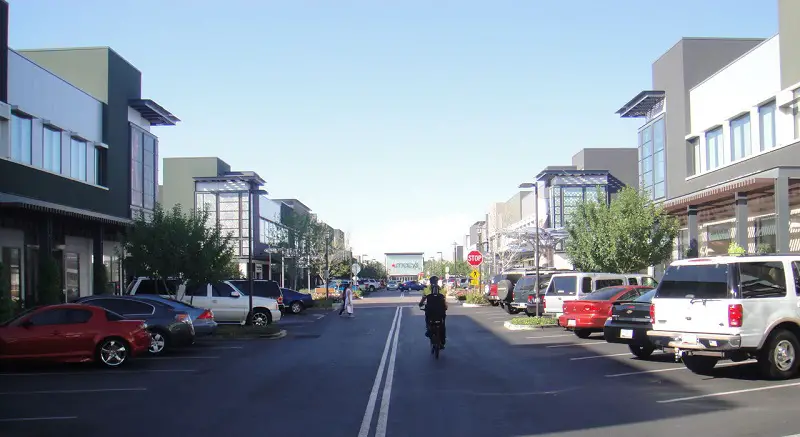
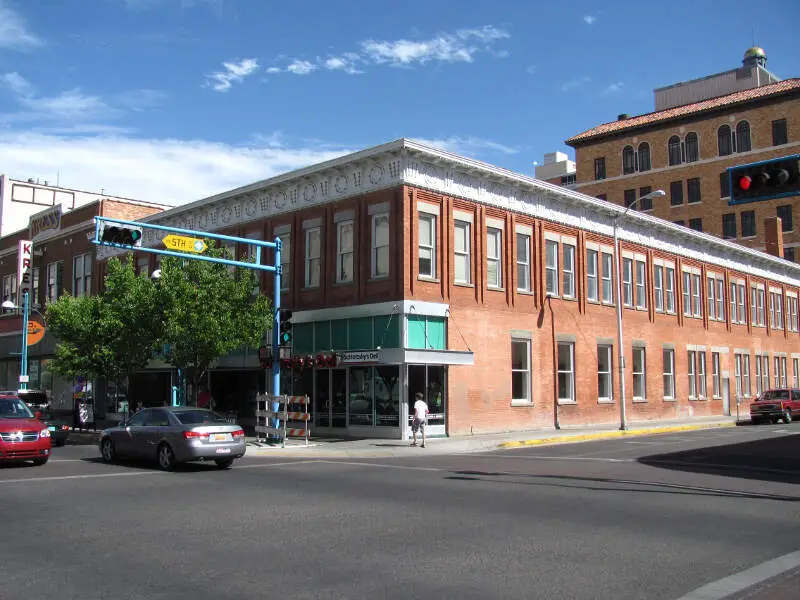
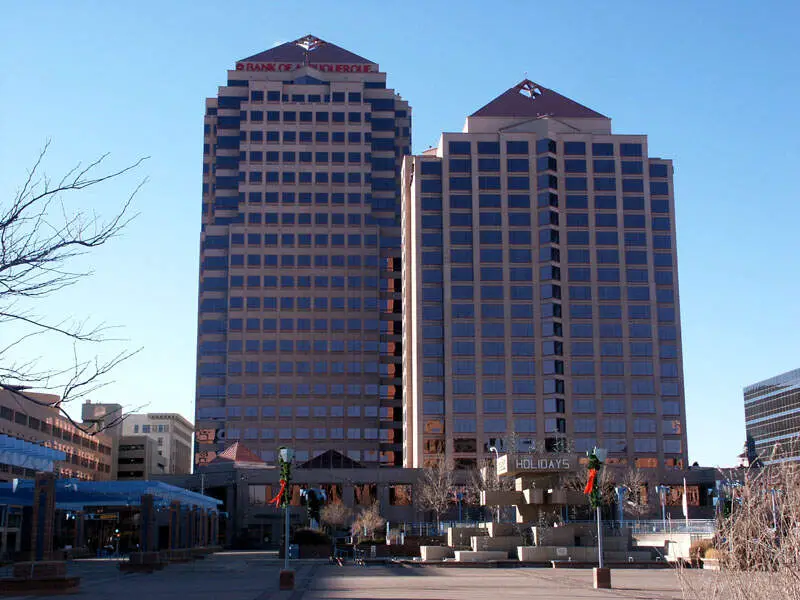
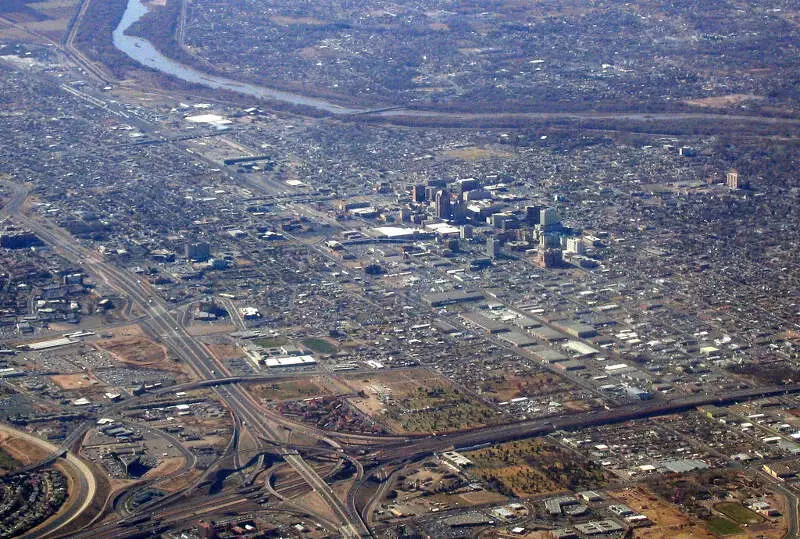
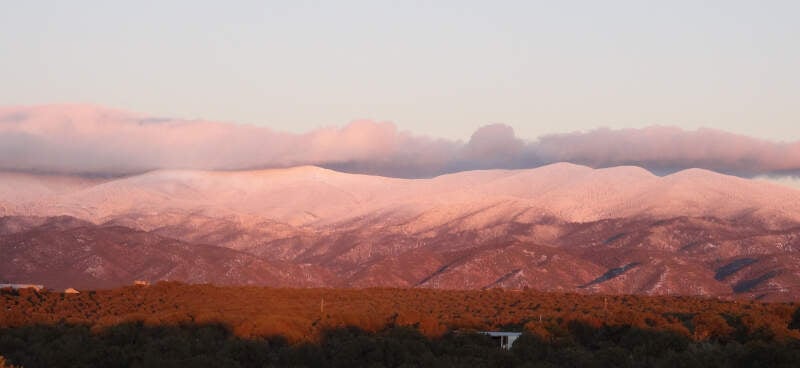
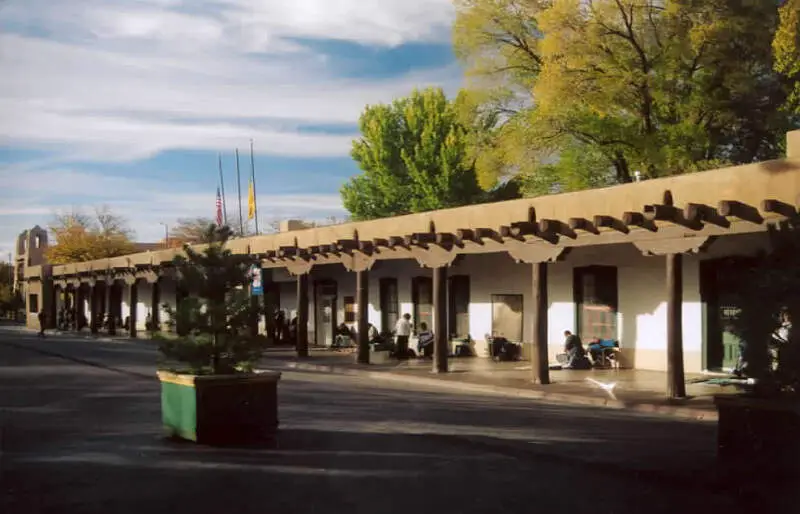
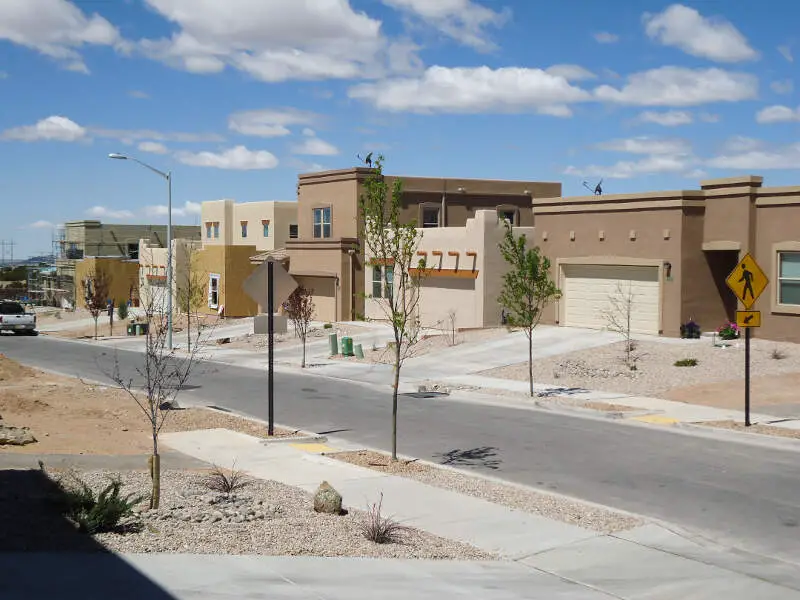
Albuquerque vs. Santa Fe in photos
A side-by-side look at each city.
Cost of living
Albuquerque is the cheaper city overall — 10% higher in Santa Fe than its rival. Index baseline: 100 = national average.
| Living expense | Albuquerque | Santa Fe | US average |
|---|---|---|---|
| Overall | 102 | 113 | 100 |
| Services | 97 | 96 | 100 |
| Groceries | 97 | 97 | 100 |
| Health | 110 | 143 | 100 |
| Housing | 97 | 93 | 100 |
| Transportation | 94 | 99 | 100 |
| Utilities | 97 | 99 | 100 |
Lower index = cheaper. 100 = U.S. national average. Bar inside each cell scales relative to the highest value in the table.
Sources: HomeSnacks Cost of Living indices, normalized so 100 = U.S. national average. Drill in: Albuquerque cost of living, Santa Fe cost of living, or the cheapest cities in America.
Housing breakdown
Home prices are higher in Santa Fe. Compare absolute price and price-to-income — a $500k home in a $100k-income city is very different from one in a $50k-income city.
| Metric | Albuquerque | Santa Fe | United States |
|---|---|---|---|
| Median Home Value | $344,457 | $580,021 | $332,700 |
| Median Rent | $1,145 | $1,463 | $1,413 |
| Median Income | $68,317 | $73,482 | $80,734 |
| Home Value To Income | 5.0x | 7.9x | 4.1x |
| Rent To Monthly Income | 0.2x | 0.24x | 0.21x |
Source: U.S. Census Bureau ACS 2020-2024. See also states with the highest rent in America.
Crime
Albuquerque is the safer city — total crime rate of 5,811 per 100k people vs 5,999 for Santa Fe. US average: 2,119.
| Crime (per 100k) | Albuquerque | Santa Fe | US average |
|---|---|---|---|
| Total crime | 5,811 | 5,999 | 2,119 |
| Murder | 18 | 4 | 5 |
| Robbery | 159 | 89 | 61 |
| Aggravated Assault | 942 | 684 | 256 |
| Violent Crime | 1,182 | 842 | 359 |
| Burglary | 772 | 974 | 229 |
| Larceny | 2,839 | 3,381 | 1,272 |
| Car Theft | 1,017 | 802 | 259 |
| Property Crime | 4,629 | 5,157 | 1,760 |
Lower = safer. Bar inside each cell scales relative to the highest crime rate in the table.
Source: FBI Uniform Crime Reporting (2024). All rates are per 100,000 people. City pages: Albuquerque crime, Santa Fe crime. See also: safest cities in America.
Diversity
Albuquerque is more racially diverse — lower HHI (closer to 0) means a more even mix across groups.
| Group | Albuquerque | Santa Fe | United States |
|---|---|---|---|
| White | 37.5% | 42.5% | 57.4% |
| African American | 2.9% | 1.1% | 11.9% |
| American Indian | 3.9% | 1.4% | 0.5% |
| Asian | 3.2% | 1.9% | 5.9% |
| Hawaiian | 0.1% | 0.1% | 0.2% |
| Other | 0.7% | 0.6% | 0.6% |
| Two Or More | 3.9% | 3.0% | 4.3% |
| Hispanic | 47.7% | 49.5% | 19.3% |
Source: U.S. Census ACS 2020-2024. Lower HHI = more even racial mix. See also: most diverse cities in America.
SnackAbility — overall quality of life
Santa Fe scores higher overall — 7/10 vs 6/10. SnackAbility is our 1–10 quality-of-life score; the median U.S. city scores a 7.
Scores are 0–10; both bars share the same scale.
SnackAbility is a HomeSnacks proprietary 1–10 score blending jobs, housing, education, commute, amenities, affordability, crime, and diversity. Median U.S. city ≈ 7. Data: Census, BLS, FBI. See also: best places to live in America.
Getting around: Albuquerque vs. Santa Fe
How each city handles commuting, transit, walkability, and car culture — the day-to-day reality that shapes where you'd actually want to live.
If you commute by car, Albuquerque is the easier city to navigate day-to-day. Its grid-based street layout and wider freeway network along I-25 and I-40 keep most cross-town trips manageable. The ABQ Ride bus network covers major corridors, and the New Mexico Rail Runner Express connects downtown Albuquerque's Sunport station to Santa Fe in about 90 minutes, a realistic option for remote workers who commute occasionally.
Santa Fe is a different animal. The city's historic street pattern, laid out well before cars existed, makes driving feel chaotic near the Plaza and Canyon Road. Santa Fe Trails buses exist but run infrequently.
If you live near downtown Santa Fe, though, a walkable or bikeable lifestyle is genuinely achievable in a way it isn't for most Albuquerque neighborhoods. For car-free living, Santa Fe's compact core wins. For regional connectivity, Albuquerque is the clear choice.
Jobs and careers in Albuquerque vs. Santa Fe
The local job market, dominant industries, and which city to choose based on your career.
Albuquerque punches well above its weight for a mid-size city, with a cluster of science, defense, and healthcare employers. Sandia National Laboratories and Kirtland Air Force Base anchor a substantial federal and aerospace sector, while Presbyterian Healthcare and the University of New Mexico are among the largest non-government employers. Netflix has also built a significant film production presence in the metro.
With a median household income of $68,317 and a cost of living index of 102, salaries stretch reasonably well.
Santa Fe's economy runs on state government (it is the state capital), along with tourism, hospitality, and the arts. The job market is meaningfully smaller, and private-sector options outside government and hospitality are limited. Median household income reaches $73,482, reflecting the concentration of higher-earning government workers and professionals.
Remote workers who can bring their own income will find Santa Fe's quality of life attractive. Those who need to find local work will have far more options in Albuquerque.
Weather and climate
What to expect day-to-day — sun, fog, heat, rain, and the seasonal extremes that shape the lifestyle.
Both cities share New Mexico's signature high-desert sunshine, but elevation creates a meaningful difference. Albuquerque sits around 5,300 feet and logs roughly 310 sunny days per year. Summers bring highs regularly in the low 90s, winters are mild with occasional snow that melts quickly, and the July-through-September monsoon brings dramatic afternoon thunderstorms that cool things down fast.
Santa Fe sits closer to 7,000 feet, and those 1,700 extra feet matter. Summers are noticeably cooler, with afternoon highs typically in the mid-80s rather than the low 90s, making it one of the most comfortable summer climates in the Southwest. Winters are genuine: snow sticks, temperatures drop below freezing regularly, and heating costs are real.
If you love four mild seasons with actual winter, Santa Fe delivers. If you prefer minimal snow and warmer year-round temperatures, Albuquerque is the safer bet.
Culture, nightlife, and entertainment
Food, music, neighborhoods, and the city vibe that gives each place its personality.
Albuquerque offers a broader cultural scene simply by virtue of its size. Old Town anchors New Mexican history, and Nob Hill along Central Avenue draws a younger crowd with independent restaurants, live music venues, and craft breweries. The International Balloon Fiesta each October is one of the largest events of its kind in the world.
The city also has an active Route 66 heritage, a growing film industry presence, and a restaurant scene that covers every price point.
Santa Fe trades volume for prestige. The Santa Fe Opera performs in an open-air venue in the foothills and draws audiences from across the country. Canyon Road is lined with more than 80 galleries.
Mezcal bars and farm-to-table restaurants cluster near the Plaza, and the city hosts the Indian Market and Spanish Market, both internationally recognized. The nightlife is quieter than Albuquerque's but notably more upscale. If arts and fine dining matter to you, Santa Fe is hard to beat in New Mexico.
Outdoor activities and day trips
Parks, beaches, hikes, and the weekend escapes that define life outside the city limits.
Albuquerque's signature outdoor asset is the Sandia Mountains, which rise to 10,378 feet just east of the city. The Sandia Peak Tramway gets you to the summit quickly, but dozens of hiking and mountain biking trails are also accessible from trailheads in the Elena Gallegos Open Space. The Bosque Trail system follows the Rio Grande through cottonwood forest for miles, and Petroglyph National Monument on the West Mesa offers accessible walks past thousands of ancient rock carvings.
Santa Fe sits closer to serious high-altitude terrain. The Sangre de Cristo Mountains immediately above the city include the Pecos Wilderness and Hyde Memorial State Park, with trails that climb above 12,000 feet. Ski Santa Fe typically opens by Thanksgiving and draws skiers well into spring.
The Dale Ball Trail network starts practically in residential neighborhoods. For day trips, both cities are within a few hours of the Rio Grande Gorge and Bandelier National Monument, but Santa Fe's starting elevation makes it the stronger base for alpine pursuits.
Bottom line: which city is right for you?
Based on the head-to-head data above, here's the short version — pick the city that lines up with what you actually care about.
Choose Albuquerque if you prioritize…
- a lower cost of living (cheaper groceries, services, and day-to-day expenses).
- lower crime — a safer place to live, work, and raise a family.
- a more racially diverse community (lower HHI on Census data).
Choose Santa Fe if you prioritize…
- more affordable housing relative to Albuquerque.
- a higher overall SnackAbility quality-of-life score.
Methodology: winners are picked from public data — U.S. Census Bureau ACS (income, home value, rent, race/HHI), FBI Uniform Crime Reporting (crime rates per 100k), and HomeSnacks' proprietary SnackAbility quality-of-life score, which blends Bureau of Labor Statistics data with the above.
Other comparisons
Still weighing your options? See how these two cities stack up against other places we've compared head-to-head.