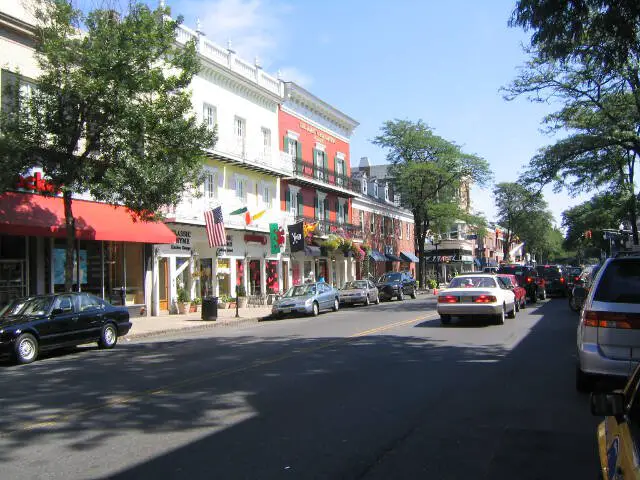
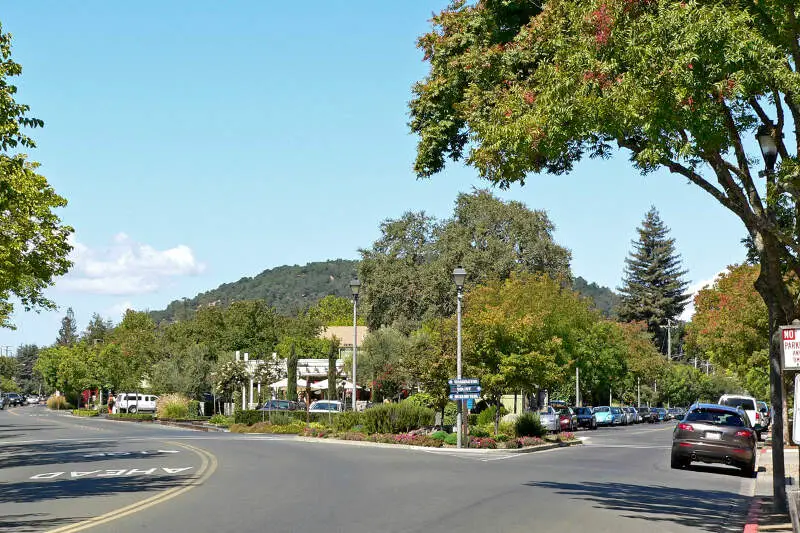
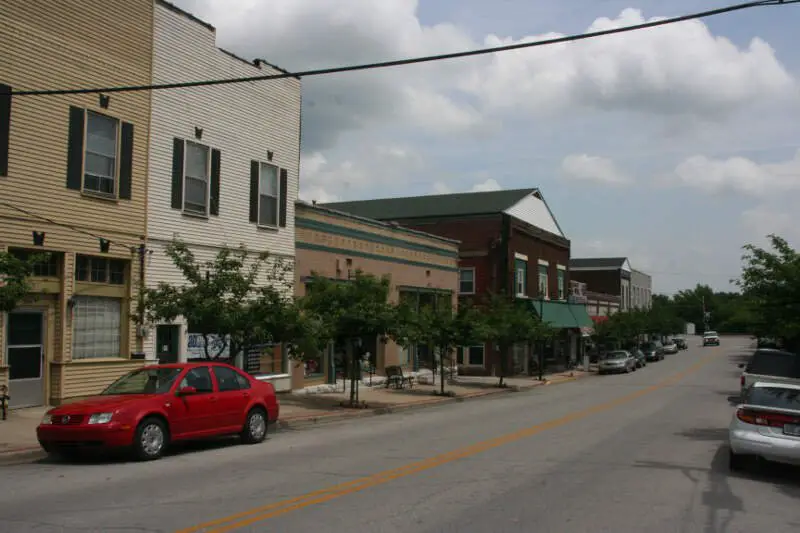
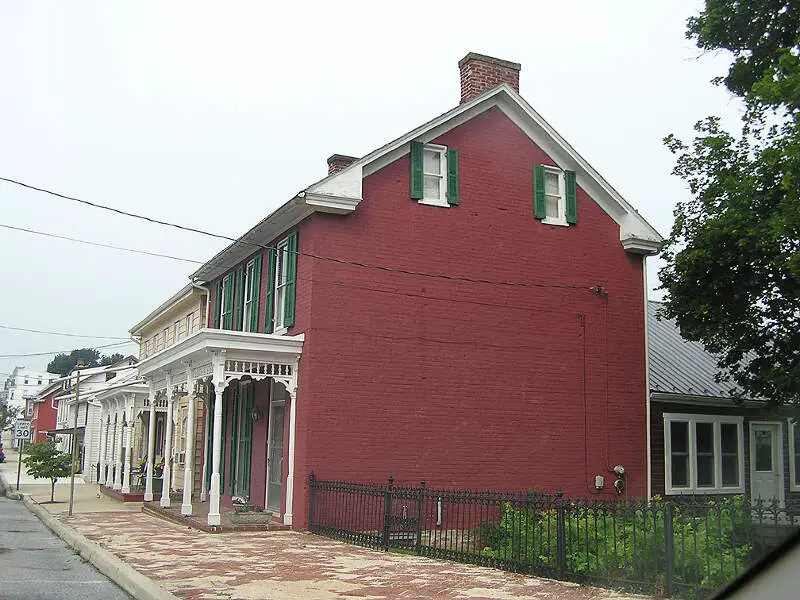
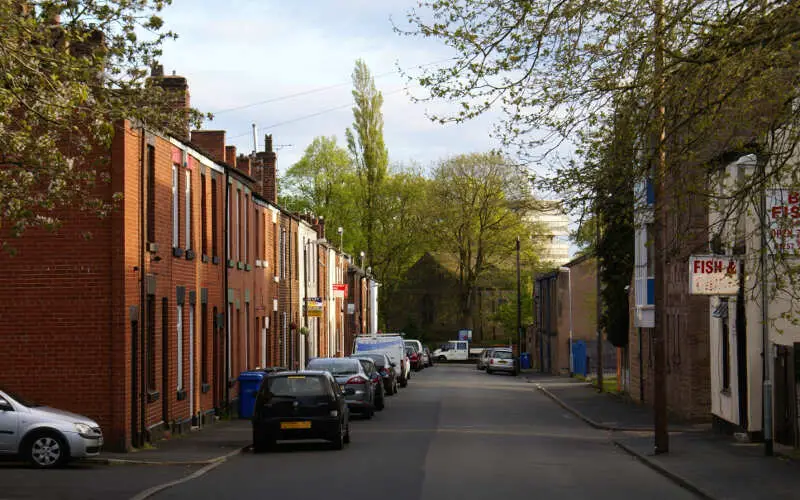
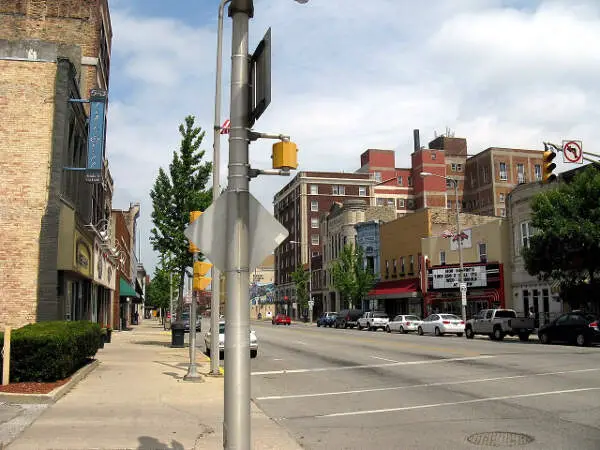
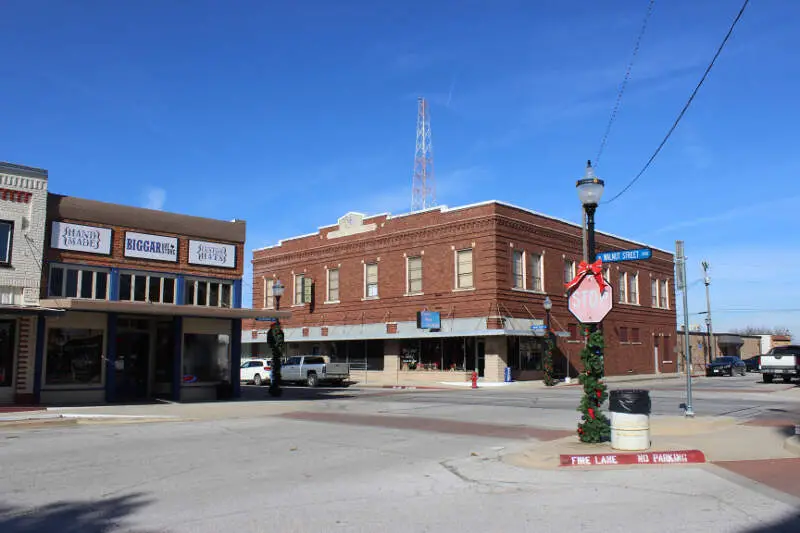
Anchorage vs. Seattle in photos
A side-by-side look at each city.

Cost of living
Anchorage is the cheaper city overall — 28% higher in Seattle than its rival. Index baseline: 100 = national average.
| Living expense | Anchorage | Seattle | US average |
|---|---|---|---|
| Overall | 130 | 181 | 100 |
| Services | 125 | 107 | 100 |
| Groceries | 113 | 111 | 100 |
| Health | 166 | 326 | 100 |
| Housing | 114 | 125 | 100 |
| Transportation | 124 | 112 | 100 |
| Utilities | 124 | 123 | 100 |
Lower index = cheaper. 100 = U.S. national average. Bar inside each cell scales relative to the highest value in the table.
Sources: HomeSnacks Cost of Living indices, normalized so 100 = U.S. national average. Drill in: Anchorage cost of living, Seattle cost of living, or the cheapest cities in America.
Housing breakdown
Home prices are higher in Seattle. Compare absolute price and price-to-income — a $500k home in a $100k-income city is very different from one in a $50k-income city.
| Metric | Anchorage | Seattle | United States |
|---|---|---|---|
| Median Home Value | $410,782 | $868,680 | $332,700 |
| Median Rent | $1,489 | $2,030 | $1,413 |
| Median Income | $103,284 | $123,860 | $80,734 |
| Home Value To Income | 4.0x | 7.0x | 4.1x |
| Rent To Monthly Income | 0.17x | 0.2x | 0.21x |
Source: U.S. Census Bureau ACS 2020-2024. See also states with the highest rent in America.
Crime
Anchorage is the safer city — total crime rate of 3,781 per 100k people vs 5,783 for Seattle. US average: 2,119.
| Crime (per 100k) | Anchorage | Seattle | US average |
|---|---|---|---|
| Total crime | 3,781 | 5,783 | 2,119 |
| Murder | 9 | 7 | 5 |
| Robbery | 167 | 221 | 61 |
| Aggravated Assault | 677 | 501 | 256 |
| Violent Crime | 1,015 | 775 | 359 |
| Burglary | 317 | 1,152 | 229 |
| Larceny | 2,026 | 2,882 | 1,272 |
| Car Theft | 423 | 974 | 259 |
| Property Crime | 2,766 | 5,008 | 1,760 |
Lower = safer. Bar inside each cell scales relative to the highest crime rate in the table.
Source: FBI Uniform Crime Reporting (2024). All rates are per 100,000 people. City pages: Anchorage crime, Seattle crime. See also: safest cities in America.
Diversity
Anchorage is more racially diverse — lower HHI (closer to 0) means a more even mix across groups.
| Group | Anchorage | Seattle | United States |
|---|---|---|---|
| White | 54.2% | 58.8% | 57.4% |
| African American | 4.8% | 6.4% | 11.9% |
| American Indian | 7.0% | 0.3% | 0.5% |
| Asian | 9.8% | 17.5% | 5.9% |
| Hawaiian | 3.1% | 0.2% | 0.2% |
| Other | 0.9% | 0.6% | 0.6% |
| Two Or More | 10.7% | 7.7% | 4.3% |
| Hispanic | 9.5% | 8.5% | 19.3% |
Source: U.S. Census ACS 2020-2024. Lower HHI = more even racial mix. See also: most diverse cities in America.
SnackAbility — overall quality of life
Seattle scores higher overall — 8.5/10 vs 6/10. SnackAbility is our 1–10 quality-of-life score; the median U.S. city scores a 7.
Scores are 0–10; both bars share the same scale.
SnackAbility is a HomeSnacks proprietary 1–10 score blending jobs, housing, education, commute, amenities, affordability, crime, and diversity. Median U.S. city ≈ 7. Data: Census, BLS, FBI. See also: best places to live in America.
Getting around: Anchorage vs. Seattle
How each city handles commuting, transit, walkability, and car culture — the day-to-day reality that shapes where you'd actually want to live.
Anchorage is a car city. The People Mover bus system exists, but routes are sparse and frequencies low, so most residents drive. Budget for a reliable vehicle and expect icy conditions on the Glenn Highway and Seward Highway every winter.
Parking is rarely a problem, and gas prices, while higher than the Lower 48, are easier to stomach when you're not sitting in gridlock.
Seattle has meaningfully more options. King County Metro and Sound Transit's Link Light Rail connect neighborhoods from the airport through downtown to Capitol Hill and the University District, and the ferry network ties in West Seattle and Bainbridge Island. You can realistically live without a car here, though many residents keep one for Cascades weekends.
If you commute by car, expect real congestion on I-5 and SR-99 during peak hours.
Jobs and careers in Anchorage vs. Seattle
The local job market, dominant industries, and which city to choose based on your career.
Anchorage punches above its population weight economically: a median household income of $103,284 reflects the oil-and-gas premium that props up much of Alaska's private sector. ConocoPhillips and Hilcorp are major employers, as is Joint Base Elmendorf-Richardson, the state government, and a large healthcare sector anchored by Providence Alaska Medical Center and Alaska Regional Hospital. The tradeoff is limited industry diversity; if energy or federal spending contracts, the local economy feels it quickly.
Seattle's job market is deeper and more resilient, with a median household income of $123,860 driven heavily by Amazon, Microsoft, Boeing, and a dense layer of tech startups. Healthcare (UW Medicine, Swedish), retail (REI, Nordstrom HQ), and maritime industries add breadth. The cost of living index tells the other side of that story — 181 versus Anchorage's already-elevated 130 — so higher wages don't automatically translate to more purchasing power.
Weather and climate
What to expect day-to-day — sun, fog, heat, rain, and the seasonal extremes that shape the lifestyle.
Anchorage is drier than most people expect — it sits in a rain shadow and gets roughly 16 inches of precipitation a year — but the cold is real. Winters run from November through March with temperatures regularly dipping into the single digits, and darkness accumulates fast; by late December you're working with about five and a half hours of daylight. Summers are the payoff: long days, temperatures in the 60s and occasionally the low 70s, and almost no humidity.
Seattle's reputation for rain is overblown in intensity but not in duration — the city averages around 38 inches a year, mostly as persistent drizzle from October through April rather than heavy downpours. Temperatures rarely freeze and almost never climb above 85°F, making it one of the most temperate big cities in the country.
If grey skies for six months wear on you, that matters. If you hate extreme cold or sweltering summers, Seattle is hard to beat.
Culture, nightlife, and entertainment
Food, music, neighborhoods, and the city vibe that gives each place its personality.
Anchorage has an eclectic cultural scene for a city of under 300,000. The Alaska Center for the Performing Arts hosts the Anchorage Symphony and visiting Broadway tours. The Fur Rendezvous festival in February and the Iditarod ceremonial start draw the whole city out.
The Spenard neighborhood anchors a laid-back bar and live music culture, and the downtown corridor has a solid cluster of local restaurants: 49th State Brewing and Moose's Tooth are local institutions. The scene closes up relatively early and options thin out compared to a major metro.
Seattle is a different tier. Capitol Hill alone has more bars, restaurants, and live music venues than most mid-sized cities, and neighborhoods like Ballard, Fremont, and the Central District each have their own distinct identity.
Pike Place Market is a working public market, not a tourist stop. The city has long supported an influential music scene, and restaurant diversity — from Vietnamese in the Rainier Valley to omakase in Belltown — is among the best in the West.
Outdoor activities and day trips
Parks, beaches, hikes, and the weekend escapes that define life outside the city limits.
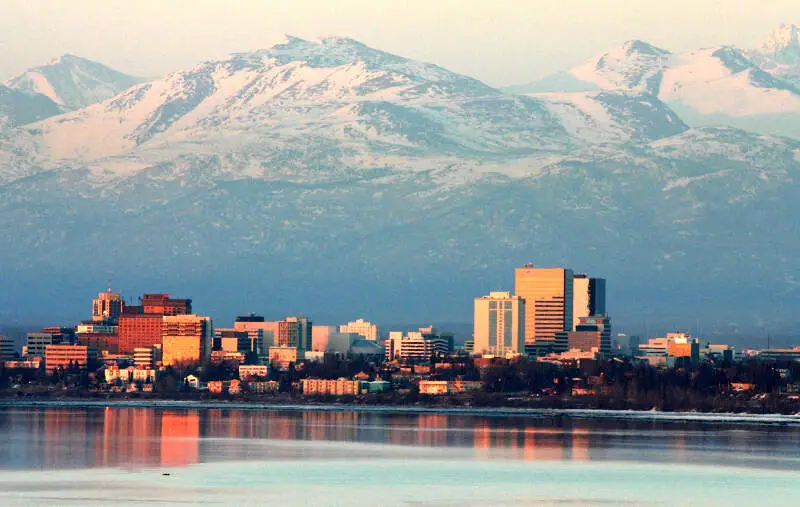
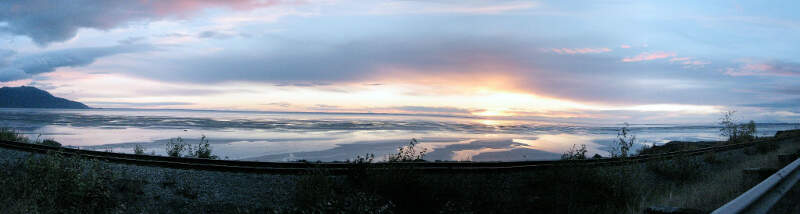
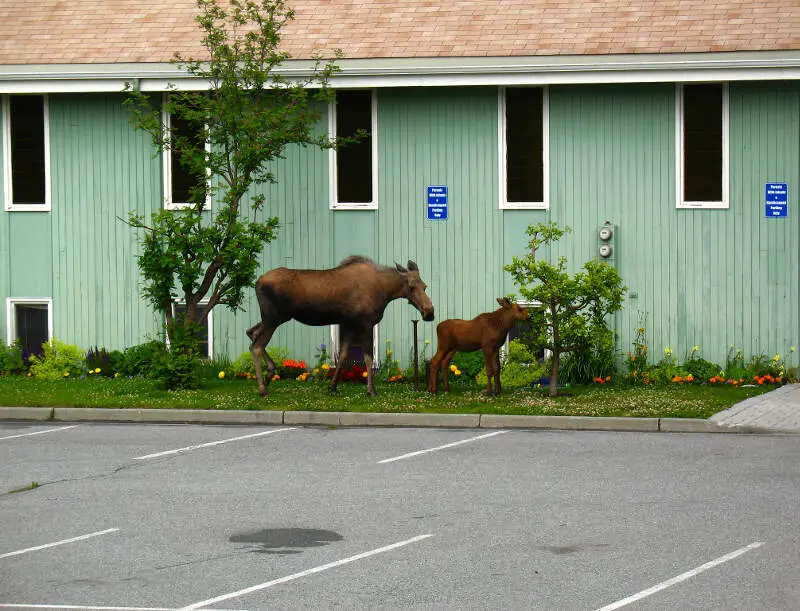
Anchorage's outdoor access is almost unfairly good. Chugach State Park, nearly 500,000 acres, begins at the city's eastern edge, with hiking, mountain biking, and backcountry skiing within 20 minutes of downtown. The Tony Knowles Coastal Trail runs 11 miles along Cook Inlet and is frequently shared with moose.
Alyeska Resort in Girdwood is an hour south and offers serious vertical. Fishing for king salmon in Ship Creek runs through the middle of the city. Wildlife encounters — moose in the yard, beluga whales offshore — are part of daily life.
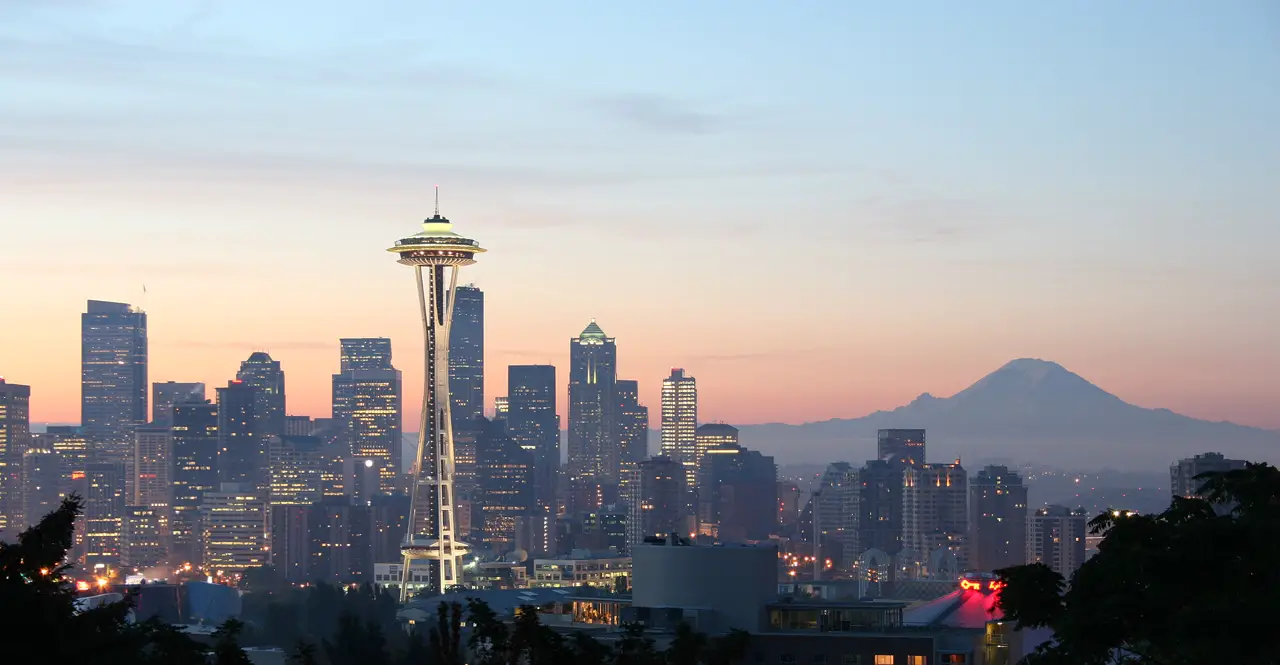
Seattle's outdoors are excellent but require slightly more intention. Mount Rainier National Park is roughly two hours away, the North Cascades are stunning for backpacking, and the Olympic Peninsula offers temperate rainforest and rugged coastline for a day or weekend trip.
Closer in, Discovery Park and the Burke-Gilman Trail handle daily recreation, and kayaking or paddleboarding on Lake Union or Puget Sound is accessible. If wilderness immersion is your priority, Anchorage is closer to it by default; Seattle requires a drive to find true solitude.
Bottom line: which city is right for you?
Based on the head-to-head data above, here's the short version — pick the city that lines up with what you actually care about.
Choose Anchorage if you prioritize…
- a lower cost of living (cheaper groceries, services, and day-to-day expenses).
- lower crime — a safer place to live, work, and raise a family.
- a more racially diverse community (lower HHI on Census data).
Choose Seattle if you prioritize…
- more affordable housing relative to Anchorage.
- a higher overall SnackAbility quality-of-life score.
Methodology: winners are picked from public data — U.S. Census Bureau ACS (income, home value, rent, race/HHI), FBI Uniform Crime Reporting (crime rates per 100k), and HomeSnacks' proprietary SnackAbility quality-of-life score, which blends Bureau of Labor Statistics data with the above.
Other comparisons
Still weighing your options? See how these two cities stack up against other places we've compared head-to-head.