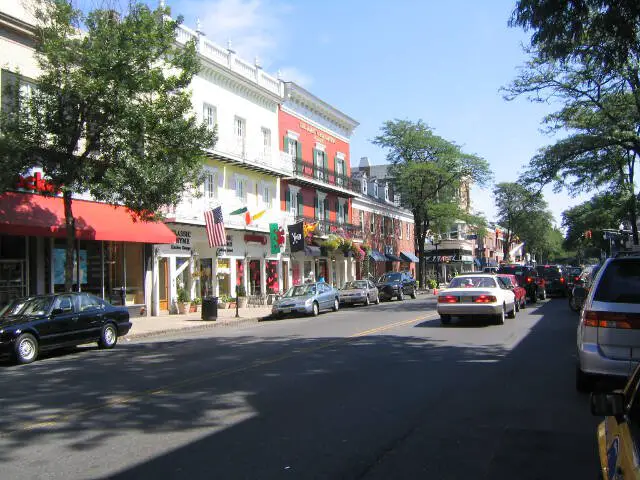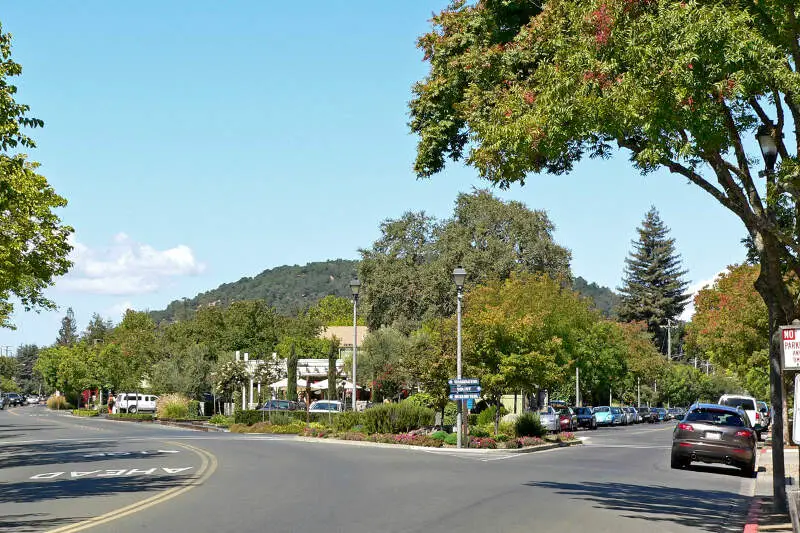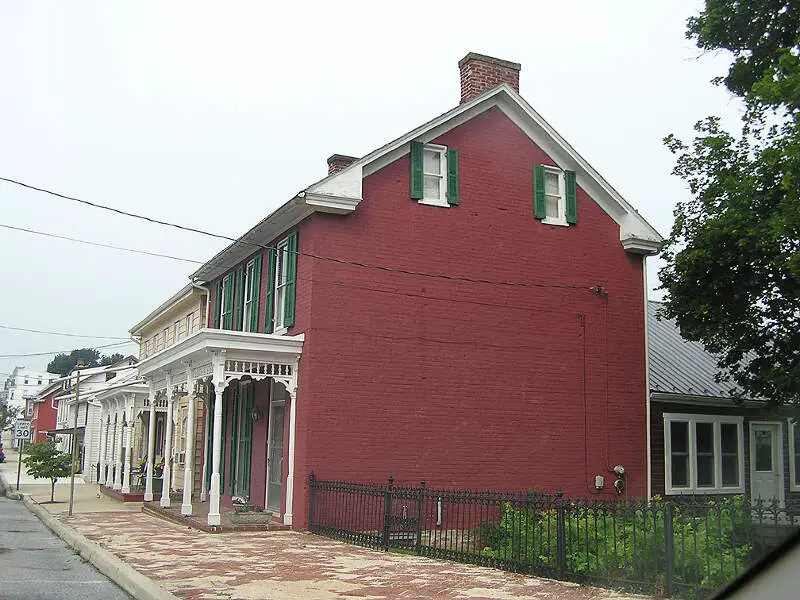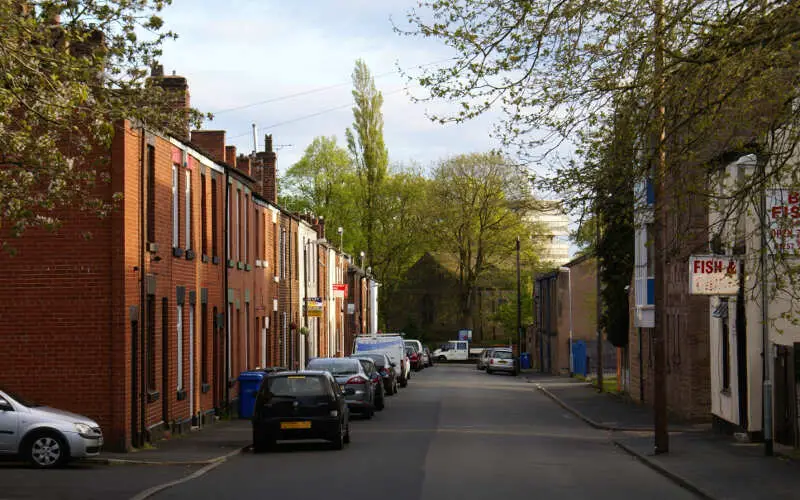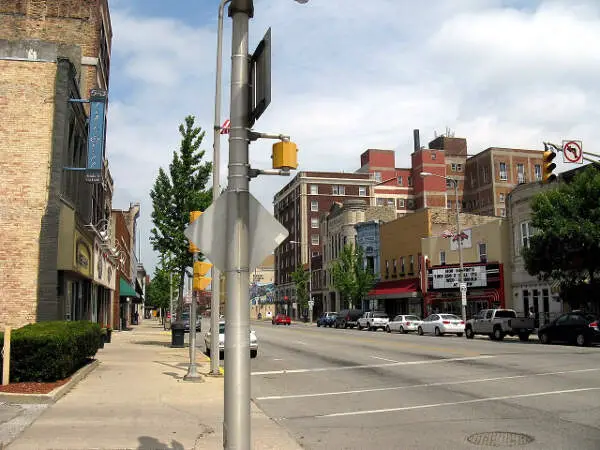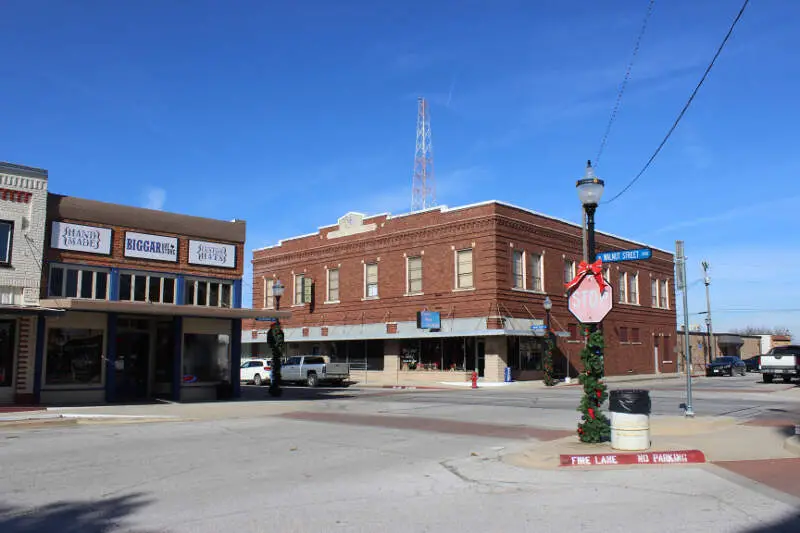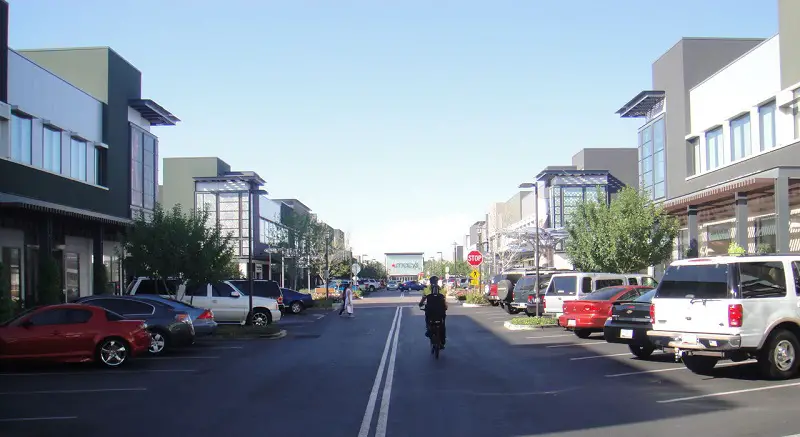
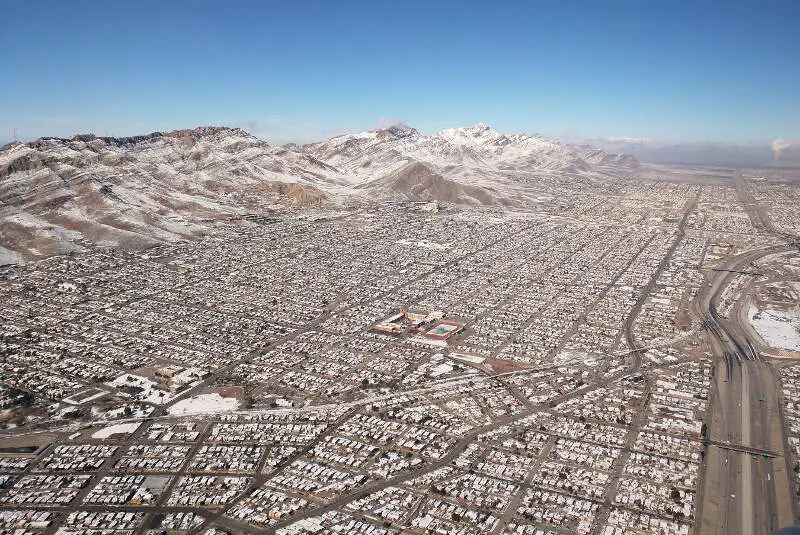
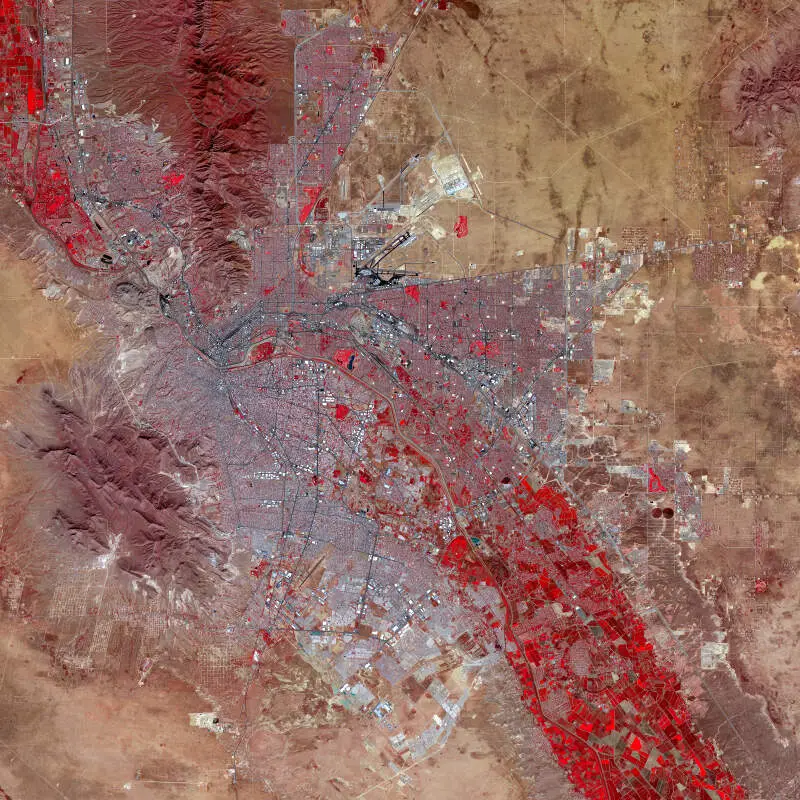
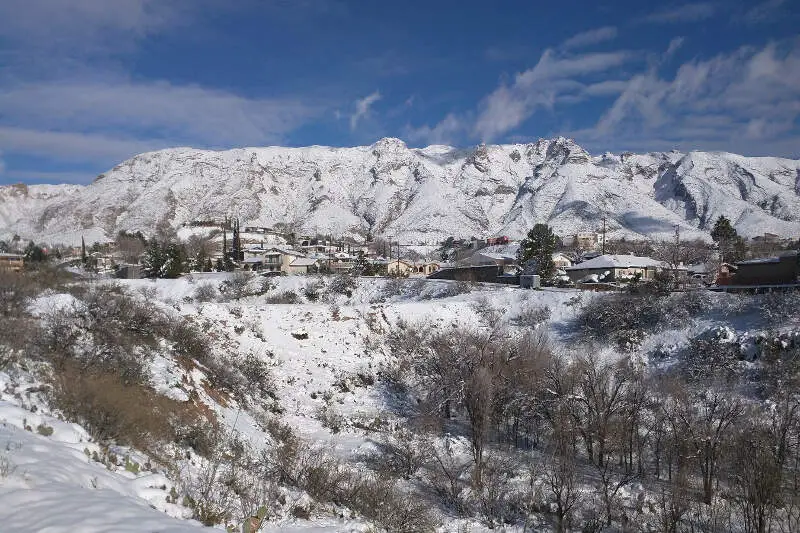
El Paso vs. Tucson in photos
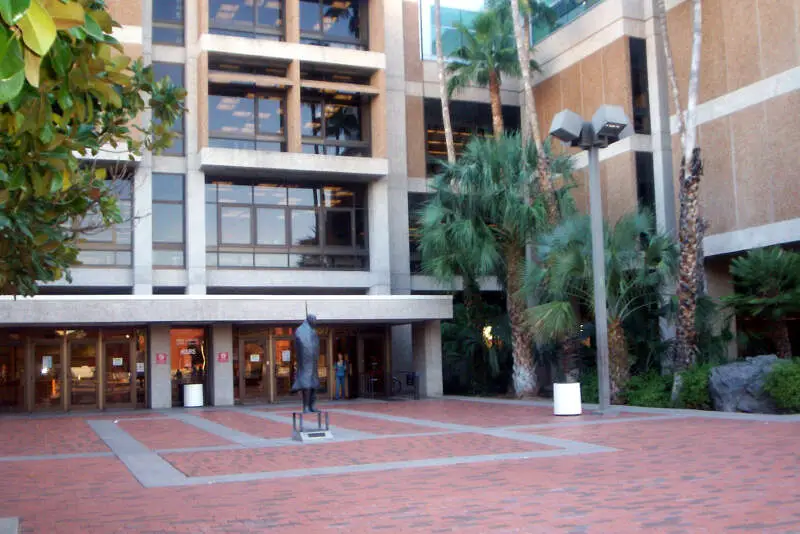
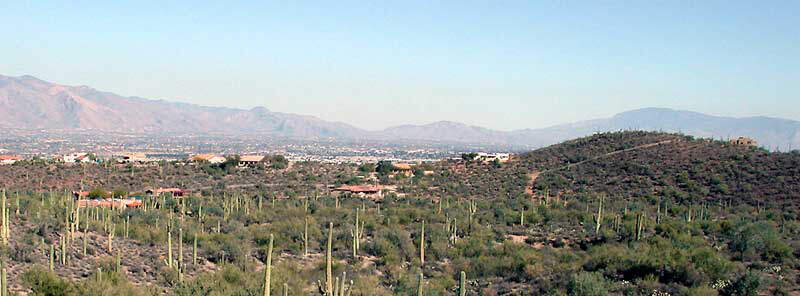
A side-by-side look at each city.
Cost of living
El Paso is the cheaper city overall — 7% higher in Tucson than its rival. Index baseline: 100 = national average.
| Living expense | El Paso | Tucson | US average |
|---|---|---|---|
| Overall | 95 | 102 | 100 |
| Services | 99 | 104 | 100 |
| Groceries | 100 | 102 | 100 |
| Health | 79 | 91 | 100 |
| Housing | 104 | 99 | 100 |
| Transportation | 107 | 112 | 100 |
| Utilities | 98 | 107 | 100 |
Lower index = cheaper. 100 = U.S. national average. Bar inside each cell scales relative to the highest value in the table.
Sources: HomeSnacks Cost of Living indices, normalized so 100 = U.S. national average. Drill in: El Paso cost of living, Tucson cost of living, or the cheapest cities in America.
Housing breakdown
Home prices are higher in Tucson. Compare absolute price and price-to-income — a $500k home in a $100k-income city is very different from one in a $50k-income city.
| Metric | El Paso | Tucson | United States |
|---|---|---|---|
| Median Home Value | $234,774 | $324,023 | $332,700 |
| Median Rent | $1,073 | $1,145 | $1,413 |
| Median Income | $59,745 | $57,073 | $80,734 |
| Home Value To Income | 3.9x | 5.7x | 4.1x |
| Rent To Monthly Income | 0.22x | 0.24x | 0.21x |
Source: U.S. Census Bureau ACS 2020-2024. See also states with the highest rent in America.
Crime
El Paso is the safer city — total crime rate of 1,772 per 100k people vs 3,902 for Tucson. US average: 2,119.
| Crime (per 100k) | El Paso | Tucson | US average |
|---|---|---|---|
| Total crime | 1,772 | 3,902 | 2,119 |
| Murder | 3 | 7 | 5 |
| Robbery | 37 | 108 | 61 |
| Aggravated Assault | 238 | 426 | 256 |
| Violent Crime | 278 | 589 | 359 |
| Burglary | 140 | 297 | 229 |
| Larceny | 1,072 | 2,501 | 1,272 |
| Car Theft | 281 | 516 | 259 |
| Property Crime | 1,494 | 3,313 | 1,760 |
Lower = safer. Bar inside each cell scales relative to the highest crime rate in the table.
Source: FBI Uniform Crime Reporting (2024). All rates are per 100,000 people. City pages: El Paso crime, Tucson crime. See also: safest cities in America.
Diversity
Tucson is more racially diverse — lower HHI (closer to 0) means a more even mix across groups.
| Group | El Paso | Tucson | United States |
|---|---|---|---|
| White | 12.0% | 43.3% | 57.4% |
| African American | 3.2% | 4.8% | 11.9% |
| American Indian | 0.2% | 1.2% | 0.5% |
| Asian | 1.3% | 3.1% | 5.9% |
| Hawaiian | 0.2% | 0.2% | 0.2% |
| Other | 0.3% | 0.4% | 0.6% |
| Two Or More | 1.6% | 4.3% | 4.3% |
| Hispanic | 81.2% | 42.8% | 19.3% |
Source: U.S. Census ACS 2020-2024. Lower HHI = more even racial mix. See also: most diverse cities in America.
SnackAbility — overall quality of life
El Paso scores higher overall — 5/10 vs 4/10. SnackAbility is our 1–10 quality-of-life score; the median U.S. city scores a 7.
Scores are 0–10; both bars share the same scale.
SnackAbility is a HomeSnacks proprietary 1–10 score blending jobs, housing, education, commute, amenities, affordability, crime, and diversity. Median U.S. city ≈ 7. Data: Census, BLS, FBI. See also: best places to live in America.
Getting around: El Paso vs. Tucson
How each city handles commuting, transit, walkability, and car culture — the day-to-day reality that shapes where you'd actually want to live.
Both El Paso and Tucson are car cities. El Paso's Sun Metro bus network covers most of the city, and the revived El Paso Streetcar loops through downtown and the UTEP campus, but most residents drive along the I-10 corridor. Cross-border traffic to Ciudad Juárez backs up near the international bridges, something Tucson drivers never deal with.
Tucson is just as car-dependent, though its Sun Link streetcar connects the University of Arizona to downtown's 4th Avenue in a four-mile stretch. Sun Tran buses fill in the rest. Tucson's street grid is more compact and bikeable than El Paso's, and the city has put dedicated bike lanes around the UA area, which gives non-drivers a real if modest edge.
Jobs and careers in El Paso vs. Tucson
The local job market, dominant industries, and which city to choose based on your career.
El Paso's economy runs on Fort Bliss, one of the largest Army installations in the country, so defense and federal contracting are steady work. The University of Texas at El Paso anchors healthcare and education hiring, while the city's position as a border-trade hub keeps logistics, manufacturing, and supply-chain roles plentiful. Median household income is $59,745, and with a cost of living index of 95 (below the national average), paychecks go further than in most metros this size.
Tucson's job market relies heavily on Raytheon Missiles and Defense, Davis-Monthan Air Force Base, and the University of Arizona, giving it a similar defense-and-education backbone. Median household income is $57,073, and the cost of living index sits at 102, so day-to-day expenses run a bit higher. For aerospace and tech specifically, Tucson's UA Tech Park corridor has opportunities El Paso doesn't match.
Weather and climate
What to expect day-to-day — sun, fog, heat, rain, and the seasonal extremes that shape the lifestyle.
El Paso is one of the sunniest large cities in the country, logging close to 300 sunny days per year. Summers are hot, with triple digits arriving by June, but the desert air is dry and evenings cool off fast. Winters are mild and brief, with occasional light freezes but almost no snow; the July–September monsoon delivers most of the city's roughly nine inches of annual rainfall along with dramatic lightning storms.
Tucson sits lower in the Sonoran Desert and runs even hotter in summer, with daytime highs regularly above 105°F from June through August. The monsoon hits harder there, delivering around twelve inches of rain and noticeably more humidity during storm season. Winters in both cities are nearly identical: sunny, mild, and rarely freezing at city elevation, though El Paso's slightly higher elevation gives it a marginal edge if you're heat-sensitive.
Culture, nightlife, and entertainment
Food, music, neighborhoods, and the city vibe that gives each place its personality.
El Paso's identity is inseparable from its border geography. The city shares a genuine binational culture with Ciudad Juárez: norteño music spills from restaurants, and crossing the bridge for dinner or a soccer match is routine. You'll also find some of the best Tex-Mex and authentic Mexican food in the country here.
The Downtown Arts District and Kern Place neighborhood have galleries, live music venues, and a food scene that punches above the city's profile. The Sun Bowl and UTEP athletics give residents a reliable college-sports anchor.
Tucson has a more developed independent arts scene relative to its size. The Hotel Congress and Rialto Theatre have anchored live music downtown for decades, and 4th Avenue's stretch of bars, vintage shops, and restaurants draws a creative crowd fed by the University of Arizona. Tucson also hosts the Gem and Mineral Show, one of the largest in the world, every February.
If a lively late-night bar district and gallery scene matter to you, Tucson has a slight edge. El Paso's cross-border cultural depth, though, is hard to find anywhere else.
Outdoor activities and day trips
Parks, beaches, hikes, and the weekend escapes that define life outside the city limits.
El Paso sits inside Franklin Mountains State Park, roughly 26,000 acres and the largest urban state park in the country. You can mountain bike, rock climb, or hike the Ranger Peak trail with the city spread below you. Hueco Tanks State Historic Site draws world-class boulder climbers, and Guadalupe Mountains National Park is just 110 miles east for a serious backcountry day trip.
The Rio Grande runs along the city's southern edge, though recreational access is limited compared to what the river's name might suggest.
Tucson has the richer day-to-day outdoor setup. Saguaro National Park divides into two districts flanking the city, putting classic Sonoran Desert scenery within easy reach. Sabino Canyon works well for easy canyon hiking.
The Santa Catalina Mountains, accessible from Summerhaven on Mount Lemmon, give you a full sky-island ecosystem with pine trees and cooler temperatures just an hour from downtown. If varied terrain and proximity to a national park matter, Tucson has a clear advantage.
Bottom line: which city is right for you?
Based on the head-to-head data above, here's the short version — pick the city that lines up with what you actually care about.
Choose El Paso if you prioritize…
- a lower cost of living (cheaper groceries, services, and day-to-day expenses).
- lower crime — a safer place to live, work, and raise a family.
- a higher overall SnackAbility quality-of-life score.
Choose Tucson if you prioritize…
- more affordable housing relative to El Paso.
- a more racially diverse community (lower HHI on Census data).
Methodology: winners are picked from public data — U.S. Census Bureau ACS (income, home value, rent, race/HHI), FBI Uniform Crime Reporting (crime rates per 100k), and HomeSnacks' proprietary SnackAbility quality-of-life score, which blends Bureau of Labor Statistics data with the above.
Other comparisons
Still weighing your options? See how these two cities stack up against other places we've compared head-to-head.