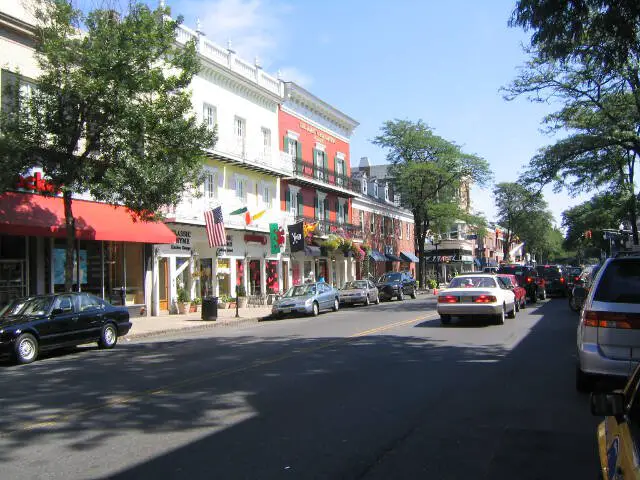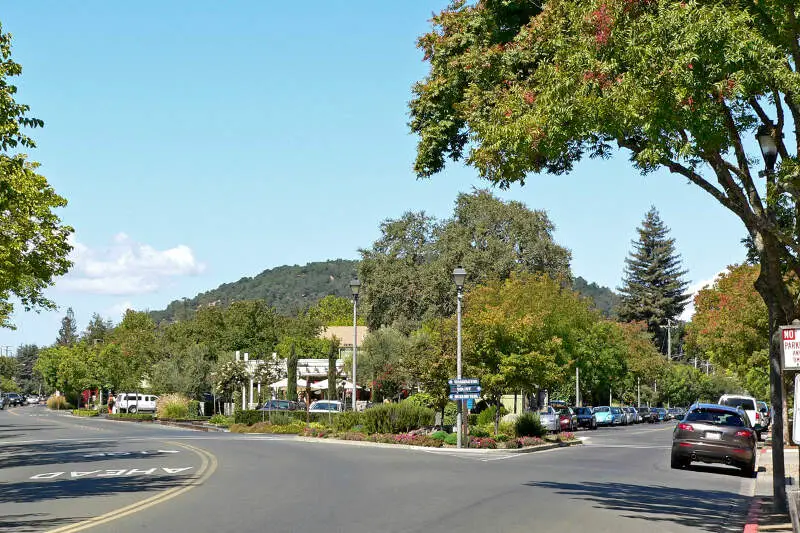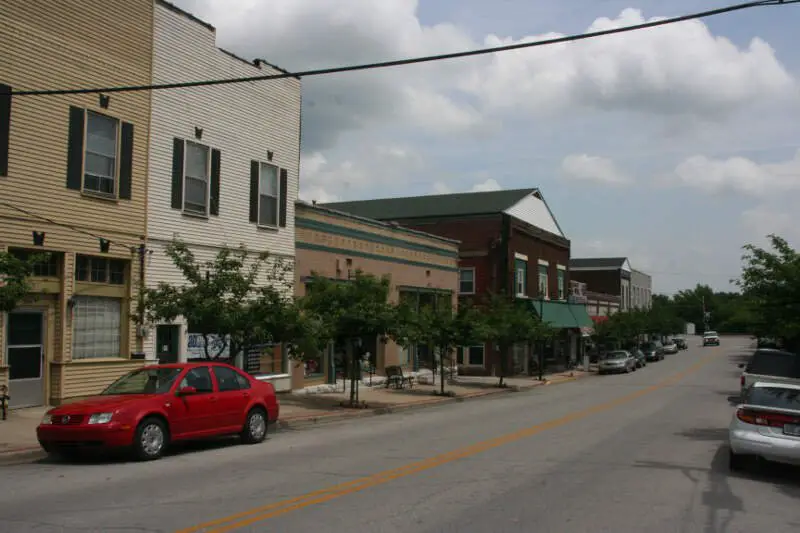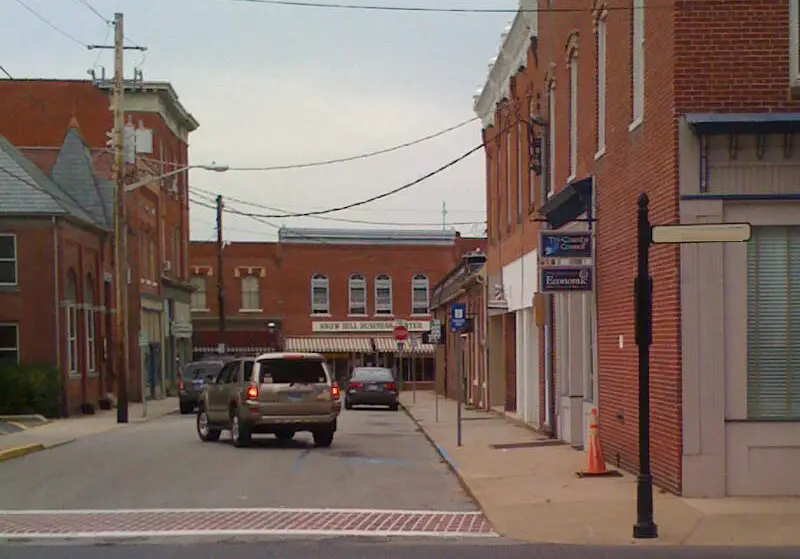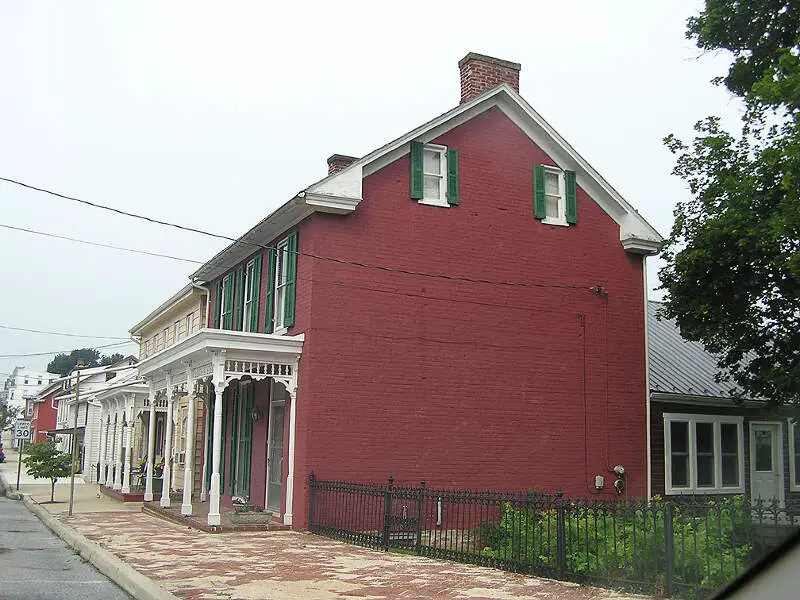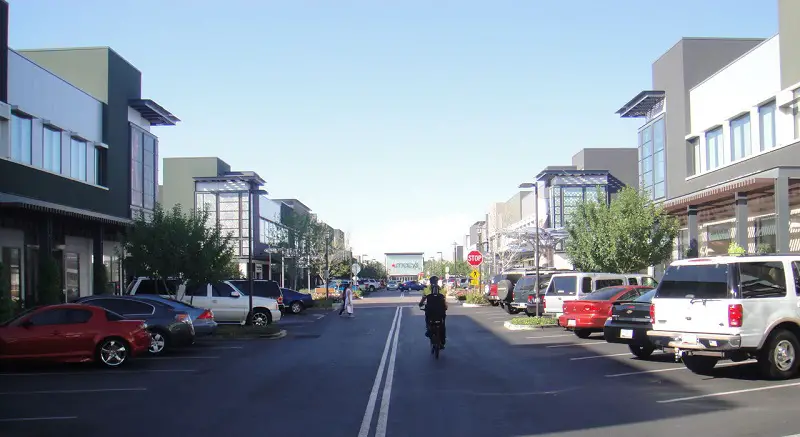
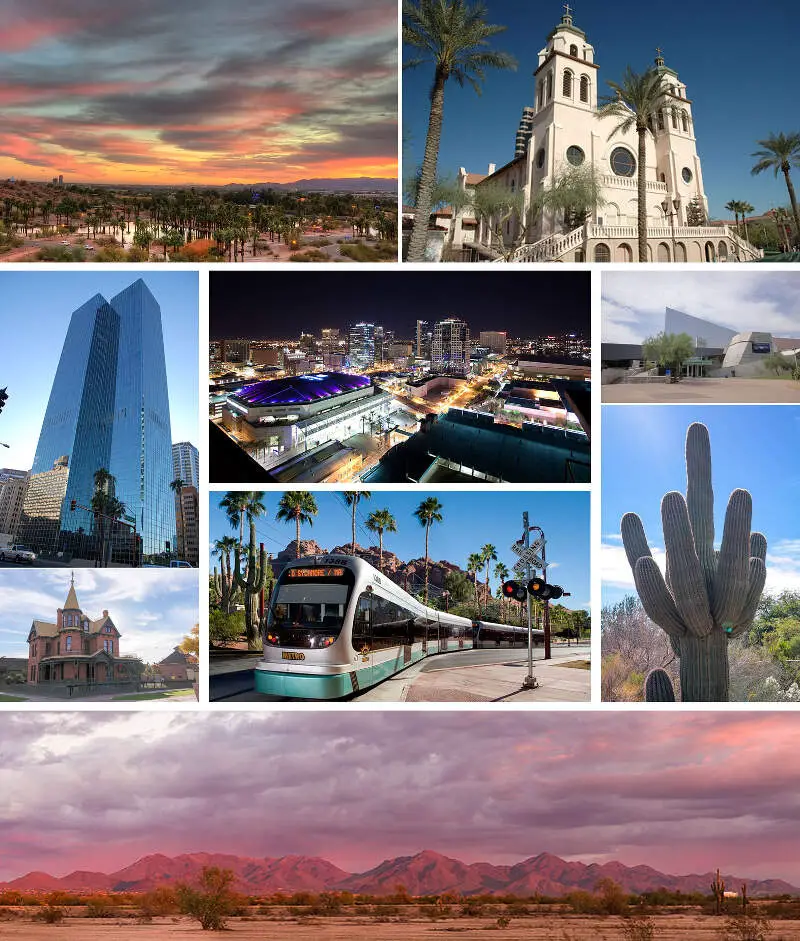
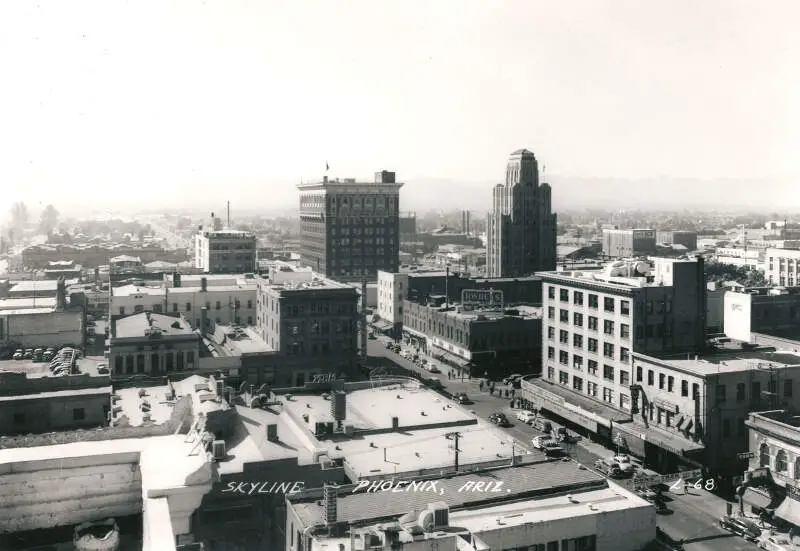
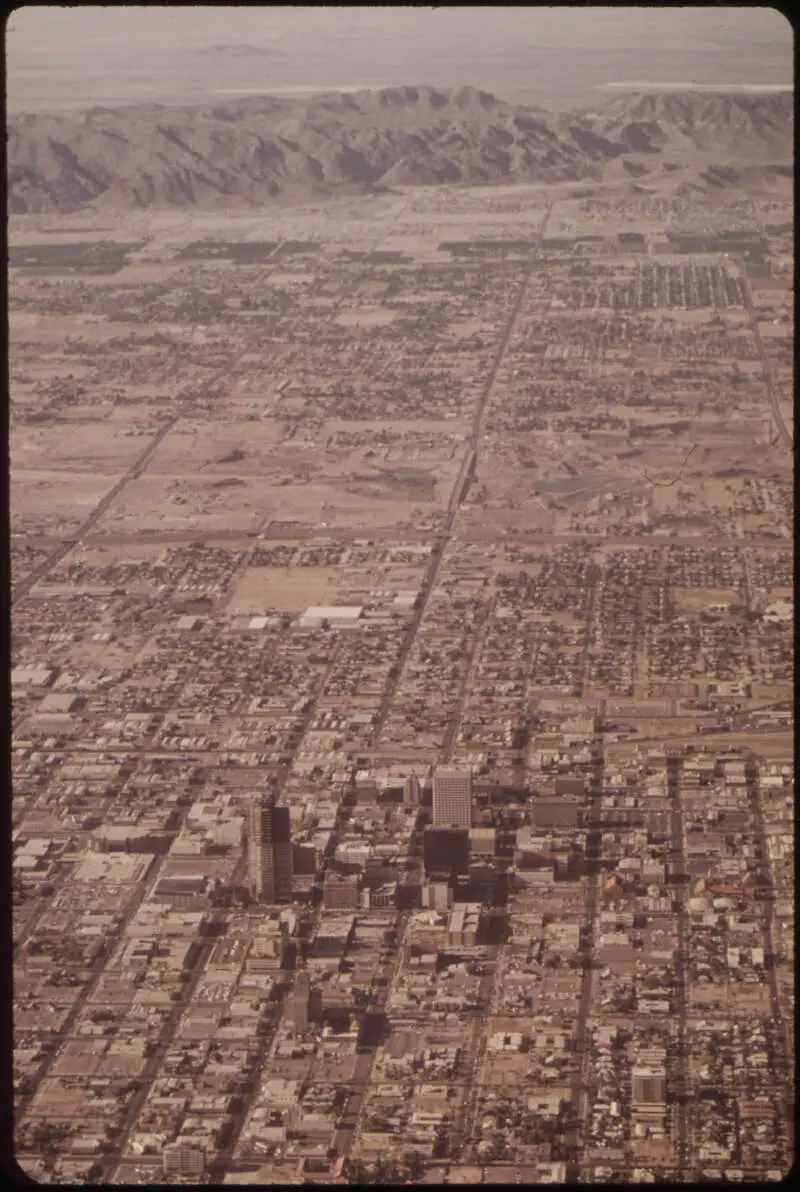
Phoenix vs. Tucson in photos
A side-by-side look at each city.
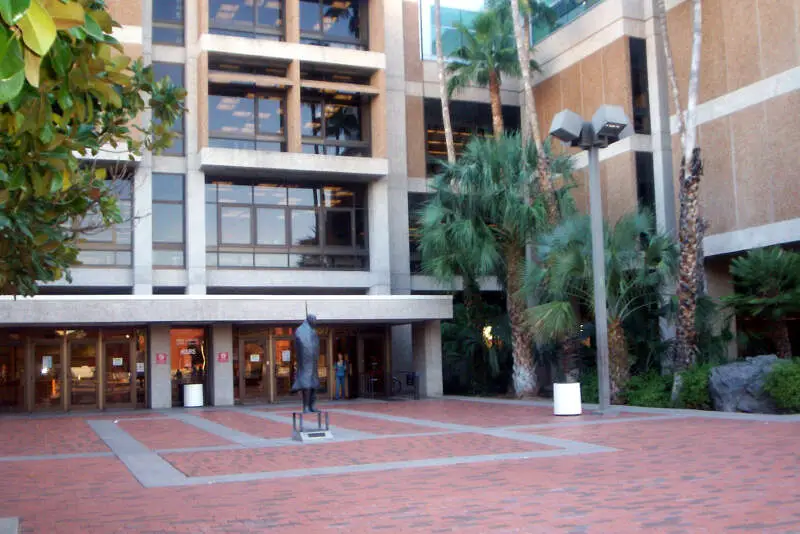
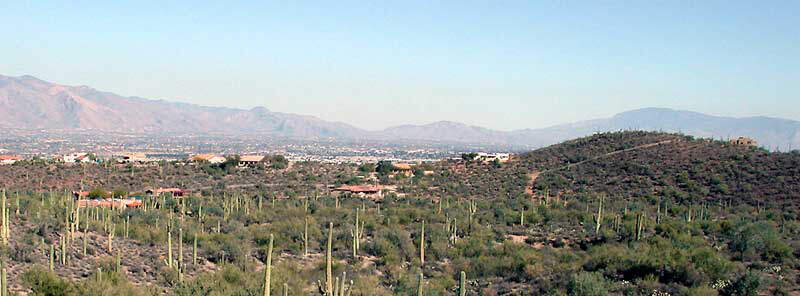
Cost of living
Tucson is the cheaper city overall — 9% higher in Phoenix than its rival. Index baseline: 100 = national average.
| Living expense | Phoenix | Tucson | US average |
|---|---|---|---|
| Overall | 111 | 102 | 100 |
| Services | 105 | 104 | 100 |
| Groceries | 104 | 102 | 100 |
| Health | 133 | 91 | 100 |
| Housing | 106 | 99 | 100 |
| Transportation | 112 | 112 | 100 |
| Utilities | 103 | 107 | 100 |
Lower index = cheaper. 100 = U.S. national average. Bar inside each cell scales relative to the highest value in the table.
Sources: HomeSnacks Cost of Living indices, normalized so 100 = U.S. national average. Drill in: Phoenix cost of living, Tucson cost of living, or the cheapest cities in America.
Housing breakdown
Home prices are higher in Phoenix. Compare absolute price and price-to-income — a $500k home in a $100k-income city is very different from one in a $50k-income city.
| Metric | Phoenix | Tucson | United States |
|---|---|---|---|
| Median Home Value | $410,168 | $324,023 | $332,700 |
| Median Rent | $1,582 | $1,145 | $1,413 |
| Median Income | $81,332 | $57,073 | $80,734 |
| Home Value To Income | 5.0x | 5.7x | 4.1x |
| Rent To Monthly Income | 0.23x | 0.24x | 0.21x |
Source: U.S. Census Bureau ACS 2020-2024. See also states with the highest rent in America.
Crime
Phoenix is the safer city — total crime rate of 3,125 per 100k people vs 3,902 for Tucson. US average: 2,119.
| Crime (per 100k) | Phoenix | Tucson | US average |
|---|---|---|---|
| Total crime | 3,125 | 3,902 | 2,119 |
| Murder | 8 | 7 | 5 |
| Robbery | 182 | 108 | 61 |
| Aggravated Assault | 545 | 426 | 256 |
| Violent Crime | 800 | 589 | 359 |
| Burglary | 317 | 297 | 229 |
| Larceny | 1,582 | 2,501 | 1,272 |
| Car Theft | 426 | 516 | 259 |
| Property Crime | 2,325 | 3,313 | 1,760 |
Lower = safer. Bar inside each cell scales relative to the highest crime rate in the table.
Source: FBI Uniform Crime Reporting (2024). All rates are per 100,000 people. City pages: Phoenix crime, Tucson crime. See also: safest cities in America.
Diversity
Phoenix is more racially diverse — lower HHI (closer to 0) means a more even mix across groups.
| Group | Phoenix | Tucson | United States |
|---|---|---|---|
| White | 40.6% | 43.3% | 57.4% |
| African American | 7.4% | 4.8% | 11.9% |
| American Indian | 1.4% | 1.2% | 0.5% |
| Asian | 4.0% | 3.1% | 5.9% |
| Hawaiian | 0.2% | 0.2% | 0.2% |
| Other | 0.4% | 0.4% | 0.6% |
| Two Or More | 4.0% | 4.3% | 4.3% |
| Hispanic | 42.0% | 42.8% | 19.3% |
Source: U.S. Census ACS 2020-2024. Lower HHI = more even racial mix. See also: most diverse cities in America.
SnackAbility — overall quality of life
Phoenix scores higher overall — 6/10 vs 4/10. SnackAbility is our 1–10 quality-of-life score; the median U.S. city scores a 7.
Scores are 0–10; both bars share the same scale.
SnackAbility is a HomeSnacks proprietary 1–10 score blending jobs, housing, education, commute, amenities, affordability, crime, and diversity. Median U.S. city ≈ 7. Data: Census, BLS, FBI. See also: best places to live in America.
Getting around: Phoenix vs. Tucson
How each city handles commuting, transit, walkability, and car culture — the day-to-day reality that shapes where you'd actually want to live.
Both Phoenix and Tucson are car-dependent Sun Belt cities, but Phoenix's sprawl makes a personal vehicle even more essential. Valley Metro Rail covers about 28 miles through central Phoenix, Tempe, and Mesa, and the bus network is large, yet most residents still drive everywhere. If you commute by car, expect congestion on the I-10, I-17, and Loop 101 corridors during rush hour.
Sky Harbor International Airport is a genuine asset for frequent flyers.
Tucson runs the Sun Link streetcar downtown and a Sun Tran bus network, neither of which realistically replaces a car for most trips. The city is smaller and less gridlocked, so daily driving is less stressful than Phoenix. Tucson International Airport serves fewer nonstop routes, so many travelers drive the 100 miles up I-10 to fly out of Sky Harbor.
Jobs and careers in Phoenix vs. Tucson
The local job market, dominant industries, and which city to choose based on your career.
Phoenix has one of the most diverse metro economies in the Southwest. Major employers span finance (American Express, USAA, State Farm), healthcare (Banner Health, Dignity Health), technology (Intel in Chandler, Honeywell, Intel), and logistics. The median household income sits at $81,332, well ahead of the national average.
Ongoing growth keeps hiring active across construction, real estate, and professional services.
Tucson's economy centers on a smaller set of pillars — the University of Arizona, Raytheon Missiles and Defense, Davis-Monthan Air Force Base, and Banner-UMC. Those are stable, recession-resistant employers, but the ceiling is lower: median household income is $57,073, roughly $24,000 behind Phoenix. If you work in defense contracting, higher education, or healthcare, Tucson can be a solid fit; for corporate career ladders and startup ecosystems, Phoenix is the clear choice.
Weather and climate
What to expect day-to-day — sun, fog, heat, rain, and the seasonal extremes that shape the lifestyle.
Phoenix and Tucson share the Sonoran Desert climate: abundant sunshine, low humidity most of the year, and a monsoon season running roughly July through September. The meaningful difference is elevation. Phoenix sits around 1,100 feet and regularly pushes past 110°F in June and July; summer nights barely cool into the low 90s.
If you have kids or pets, those extreme-heat months demand real planning. Winters are mild and sunny, regularly reaching the mid-60s.
Tucson, at roughly 2,400 feet, runs 5 to 10 degrees cooler than Phoenix on most summer days. At the peak of summer, that gap matters. Tucson also captures more monsoon moisture and sees brief afternoon storms that turn desert washes into rushing streams.
Both cities see around 300 sunny days a year. If you want desert warmth without Phoenix's most brutal heat, Tucson has a measurable edge.
Culture, nightlife, and entertainment
Food, music, neighborhoods, and the city vibe that gives each place its personality.
Phoenix punches well above its Sun Belt reputation culturally. The Roosevelt Row arts district hosts galleries and murals that draw national attention; the Phoenix Art Museum is one of the largest in the Southwest; and the music venue scene runs from intimate downtown spots to stadium-scale shows at Footprint Center and Chase Field. Scottsdale's Old Town district packs restaurants, bars, and galleries into a walkable strip.
Major league sports — the Suns, Diamondbacks, and Cardinals — give the city a year-round event calendar that Tucson cannot match.
Tucson has a distinct character shaped by the University of Arizona and a deep Mexican-American cultural heritage. Fourth Avenue and the Congress Street corridor are the nightlife spine: walkable, locally owned, and reliably lively on weekends. The Rialto Theatre is a well-known mid-size music venue.
Food culture here leans heavily on Sonoran cuisine, and Tucson holds a UNESCO City of Gastronomy designation. It's a slower, more intimate scene than Phoenix.
Outdoor activities and day trips
Parks, beaches, hikes, and the weekend escapes that define life outside the city limits.
Phoenix gives you access to some of the best urban hiking in the country. Camelback Mountain draws thousands of hikers daily; South Mountain Park covers over 16,000 acres and has more than 50 miles of trail. Papago Park is an easy family outing, and the McDowell Sonoran Preserve in Scottsdale adds 30,000 more acres of desert trail.
For a weekend escape, Sedona is about two hours north: red rock country with serious hiking and mountain biking.
Tucson's outdoor scene is arguably even richer per capita. Saguaro National Park wraps around both sides of the city, east and west, with saguaro-forest hikes minutes from home. The Santa Catalina Mountains rise directly above town, and Mount Lemmon (reachable by a 28-mile scenic drive) offers pine forests and temperatures 30 degrees cooler than the valley floor.
Sabino Canyon is a popular canyon hike. Day trips to Bisbee, Chiricahua National Monument, and Kartchner Caverns give Tucson outdoor enthusiasts a varied backyard.
Bottom line: which city is right for you?
Based on the head-to-head data above, here's the short version — pick the city that lines up with what you actually care about.
Choose Phoenix if you prioritize…
- lower crime — a safer place to live, work, and raise a family.
- more affordable housing relative to Tucson.
- a more racially diverse community (lower HHI on Census data).
- a higher overall SnackAbility quality-of-life score.
Choose Tucson if you prioritize…
- a lower cost of living (cheaper groceries, services, and day-to-day expenses).
Methodology: winners are picked from public data — U.S. Census Bureau ACS (income, home value, rent, race/HHI), FBI Uniform Crime Reporting (crime rates per 100k), and HomeSnacks' proprietary SnackAbility quality-of-life score, which blends Bureau of Labor Statistics data with the above.
Other comparisons
Still weighing your options? See how these two cities stack up against other places we've compared head-to-head.