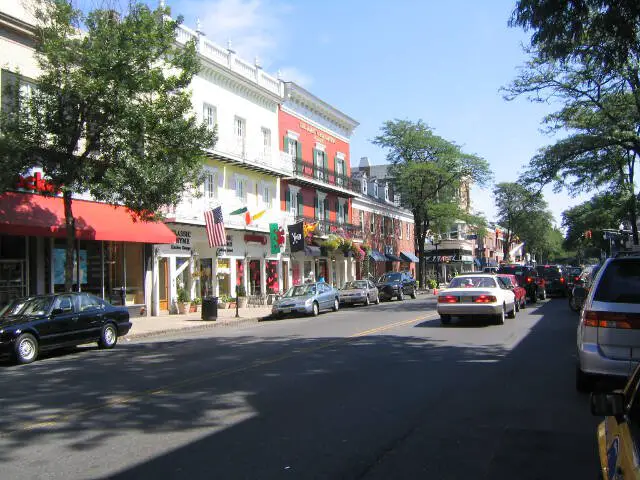
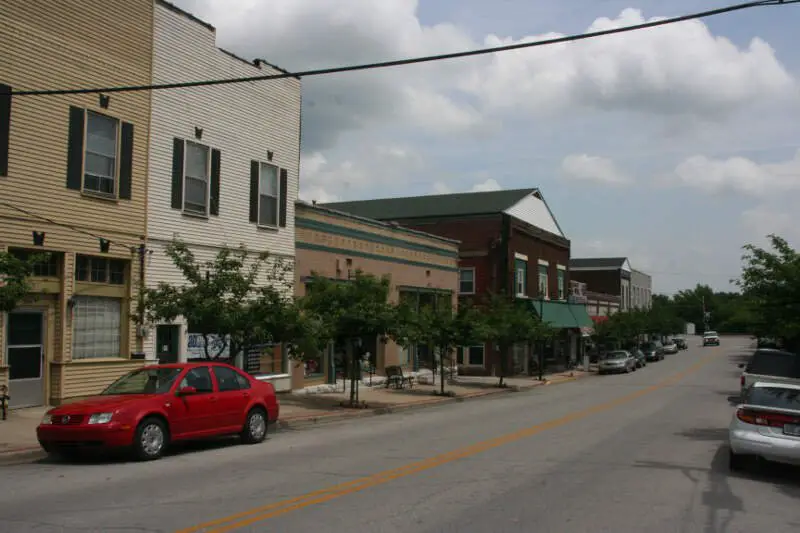
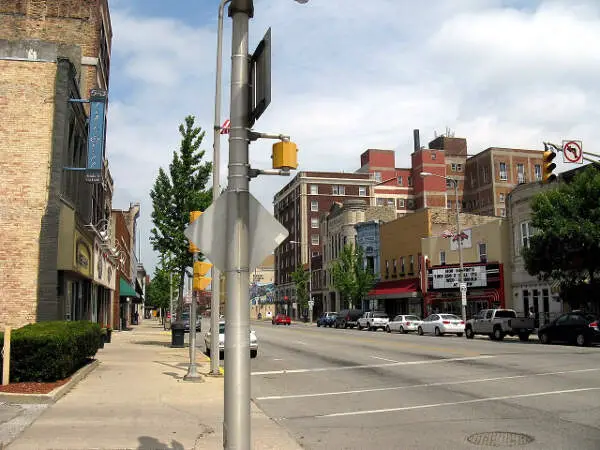
Indianapolis vs. Chicago in photos
A side-by-side look at each city.



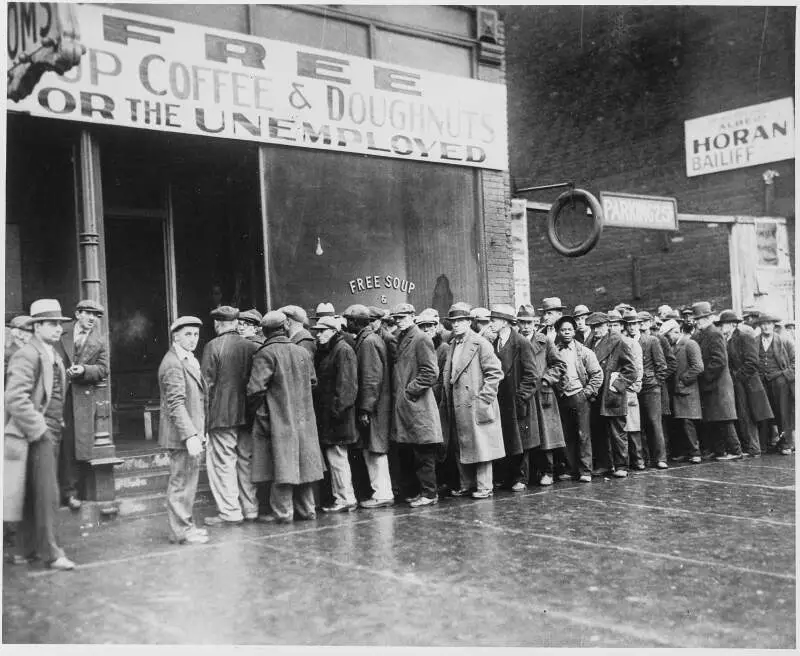

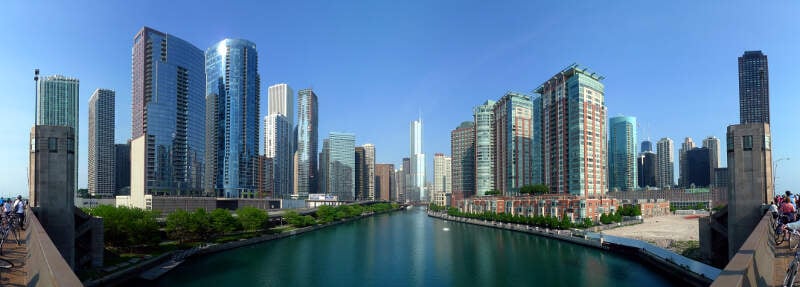
Cost of living
Indianapolis is the cheaper city overall — 18% higher in Chicago than its rival. Index baseline: 100 = national average.
| Living expense | Indianapolis | Chicago | US average |
|---|---|---|---|
| Overall | 94 | 114 | 100 |
| Services | 97 | 103 | 100 |
| Groceries | 97 | 99 | 100 |
| Health | 84 | 140 | 100 |
| Housing | 100 | 107 | 100 |
| Transportation | 99 | 104 | 100 |
| Utilities | 95 | 103 | 100 |
Lower index = cheaper. 100 = U.S. national average. Bar inside each cell scales relative to the highest value in the table.
Sources: HomeSnacks Cost of Living indices, normalized so 100 = U.S. national average. Drill in: Indianapolis cost of living, Chicago cost of living, or the cheapest cities in America.
Housing breakdown
Home prices are higher in Chicago. Compare absolute price and price-to-income — a $500k home in a $100k-income city is very different from one in a $50k-income city.
| Metric | Indianapolis | Chicago | United States |
|---|---|---|---|
| Median Home Value | $229,209 | $317,282 | $332,700 |
| Median Rent | $1,156 | $1,440 | $1,413 |
| Median Income | $66,219 | $77,902 | $80,734 |
| Home Value To Income | 3.5x | 4.1x | 4.1x |
| Rent To Monthly Income | 0.21x | 0.22x | 0.21x |
Source: U.S. Census Bureau ACS 2020-2024. See also states with the highest rent in America.
Crime
Chicago is the safer city — total crime rate of 4,012 per 100k people vs 4,214 for Indianapolis. US average: 2,119.
| Crime (per 100k) | Indianapolis | Chicago | US average |
|---|---|---|---|
| Total crime | 4,214 | 4,012 | 2,119 |
| Murder | 20 | 17 | 5 |
| Robbery | 143 | 335 | 61 |
| Aggravated Assault | 656 | 128 | 256 |
| Violent Crime | 878 | 540 | 359 |
| Burglary | 518 | 295 | 229 |
| Larceny | 2,072 | 2,319 | 1,272 |
| Car Theft | 746 | 859 | 259 |
| Property Crime | 3,336 | 3,472 | 1,760 |
Lower = safer. Bar inside each cell scales relative to the highest crime rate in the table.
Source: FBI Uniform Crime Reporting (2024). All rates are per 100,000 people. City pages: Indianapolis crime, Chicago crime. See also: safest cities in America.
Diversity
Chicago is more racially diverse — lower HHI (closer to 0) means a more even mix across groups.
| Group | Indianapolis | Chicago | United States |
|---|---|---|---|
| White | 48.9% | 32.1% | 57.4% |
| African American | 27.6% | 27.4% | 11.9% |
| American Indian | 0.1% | 0.1% | 0.5% |
| Asian | 4.2% | 7.2% | 5.9% |
| Hawaiian | 0.0% | 0.0% | 0.2% |
| Other | 0.6% | 0.4% | 0.6% |
| Two Or More | 4.9% | 3.0% | 4.3% |
| Hispanic | 13.8% | 29.7% | 19.3% |
Source: U.S. Census ACS 2020-2024. Lower HHI = more even racial mix. See also: most diverse cities in America.
SnackAbility — overall quality of life
Chicago scores higher overall — 7/10 vs 5/10. SnackAbility is our 1–10 quality-of-life score; the median U.S. city scores a 7.
Scores are 0–10; both bars share the same scale.
SnackAbility is a HomeSnacks proprietary 1–10 score blending jobs, housing, education, commute, amenities, affordability, crime, and diversity. Median U.S. city ≈ 7. Data: Census, BLS, FBI. See also: best places to live in America.
Getting around: Indianapolis vs. Chicago
How each city handles commuting, transit, walkability, and car culture — the day-to-day reality that shapes where you'd actually want to live.
If you commute by car, Indianapolis is essentially built for you. The interstate grid (I-65, I-70, and I-465 looping the city) keeps most suburban-to-downtown drives manageable, and parking is cheap and plentiful compared to most large cities. IndyGo operates the city's bus network, and the Red Line BRT connects Broad Ripple through downtown to the south side, but transit options are limited enough that most residents drive everywhere.
Chicago flips that equation. The CTA's eight L train lines and an extensive bus grid mean you can live car-free in neighborhoods like Lincoln Park, Wicker Park, or Hyde Park without much sacrifice. Metra commuter rail extends that reach into the suburbs.
Traffic on the Dan Ryan or the Kennedy during rush hour can be brutal. Monthly transit costs add up too, and at a median rent of $1,440 versus Indianapolis's $1,156, you're already budgeting differently.
Jobs and careers in Indianapolis vs. Chicago
The local job market, dominant industries, and which city to choose based on your career.
Indianapolis punches above its weight as a corporate hub. Eli Lilly anchors a booming life sciences corridor, and major employers like Salesforce (which put its name on the tallest building downtown), IU Health, Cummins, and a cluster of insurance and logistics firms give the job market real breadth. A cost of living index of 94 means your $66,219 median household income stretches further than the national average, which matters when you're weighing offers.
Chicago's labor market is larger and more diversified. Finance, technology, consulting, food and beverage (McDonald's, Mondelez, and Kraft Heinz all headquarter here), and one of the country's biggest healthcare ecosystems give job-seekers more runway.
The median household income of $77,902 is higher, but the cost of living index of 114 erodes some of that advantage. A downtown Chicago salary doesn't always feel as flush as the number suggests once rent and taxes land.
Weather and climate
What to expect day-to-day — sun, fog, heat, rain, and the seasonal extremes that shape the lifestyle.
Both cities are squarely in the Midwest's four-season zone, so neither will let you forget what winter feels like. Indianapolis gets cold, snowy stretches from December through February and humid, warm summers that push into the upper 80s. Spring and fall are genuinely pleasant, and the city sees slightly more sunshine annually than its northern neighbor.
Chicago earns its "Windy City" reputation from November onward, when Lake Michigan drives wind chills well below zero and lake-effect snow can stack up fast on the South and North Sides. Summers along the lakefront are warm, breezy, and lively, but the shoulder seasons can feel short. If brutal winters are a dealbreaker, Indianapolis is modestly more forgiving, though neither city will satisfy someone fleeing cold weather altogether.
Culture, nightlife, and entertainment
Food, music, neighborhoods, and the city vibe that gives each place its personality.
Indianapolis has matured into a real mid-sized cultural destination. Mass Ave is the arts and restaurant corridor locals default to, Fountain Square draws a younger, DIY crowd, and Broad Ripple has a concentrated bar scene. The food scene has improved sharply over the last decade.
The city hosts the Indianapolis 500, Big Ten basketball at Gainbridge Fieldhouse with the Pacers, and a growing calendar of conventions that keep downtown animated year-round.
Chicago operates on a different scale entirely. The Art Institute, the Field Museum, and the Museum of Science and Industry sit alongside a theater tradition that trained much of American comedy and drama. Neighborhoods like Logan Square and Pilsen have distinct culinary identities, and the city's blues, jazz, and house music history runs deep.
If your nightlife and cultural calendar are central to where you live, Chicago's advantage over Indianapolis is hard to overstate.
Outdoor activities and day trips
Parks, beaches, hikes, and the weekend escapes that define life outside the city limits.
Indianapolis surprises people with Eagle Creek Park, one of the largest municipal parks in the country, offering reservoir sailing, mountain biking trails, and birding within city limits. The Monon Trail threads 27 miles through the north side and connects neighborhoods for cyclists and runners, and White River State Park sits right downtown. Brown County State Park, Indiana's largest, is about an hour south and draws hikers and mountain bikers in fall foliage season.
Chicago's 26-mile lakefront trail is the headline, linking beaches from Rogers Park to South Shore and giving the city an outdoor amenity most landlocked metros can't match. Lincoln Park, Millennium Park, and the 606 trail through Wicker Park and Bucktown keep the urban experience green. For day trips, Indiana Dunes National Park is just over an hour by South Shore Line train and offers legitimate sand dunes and Lake Michigan swimming that feels nothing like a typical Midwest weekend.
Bottom line: which city is right for you?
Based on the head-to-head data above, here's the short version — pick the city that lines up with what you actually care about.
Choose Indianapolis if you prioritize…
- a lower cost of living (cheaper groceries, services, and day-to-day expenses).
Choose Chicago if you prioritize…
- lower crime — a safer place to live, work, and raise a family.
- more affordable housing relative to Indianapolis.
- a more racially diverse community (lower HHI on Census data).
- a higher overall SnackAbility quality-of-life score.
Methodology: winners are picked from public data — U.S. Census Bureau ACS (income, home value, rent, race/HHI), FBI Uniform Crime Reporting (crime rates per 100k), and HomeSnacks' proprietary SnackAbility quality-of-life score, which blends Bureau of Labor Statistics data with the above.
Other comparisons
Still weighing your options? See how these two cities stack up against other places we've compared head-to-head.