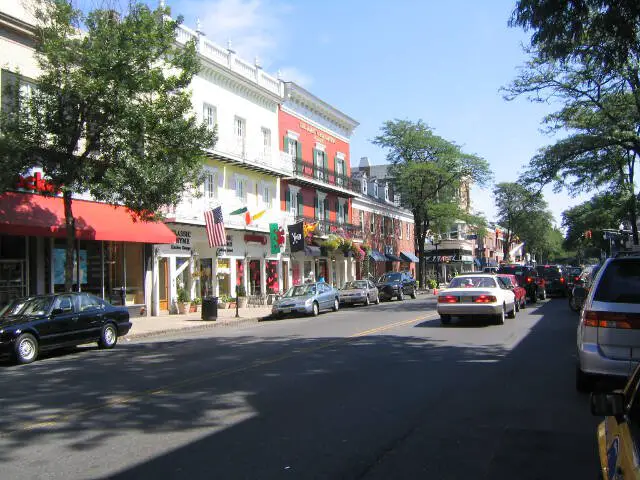
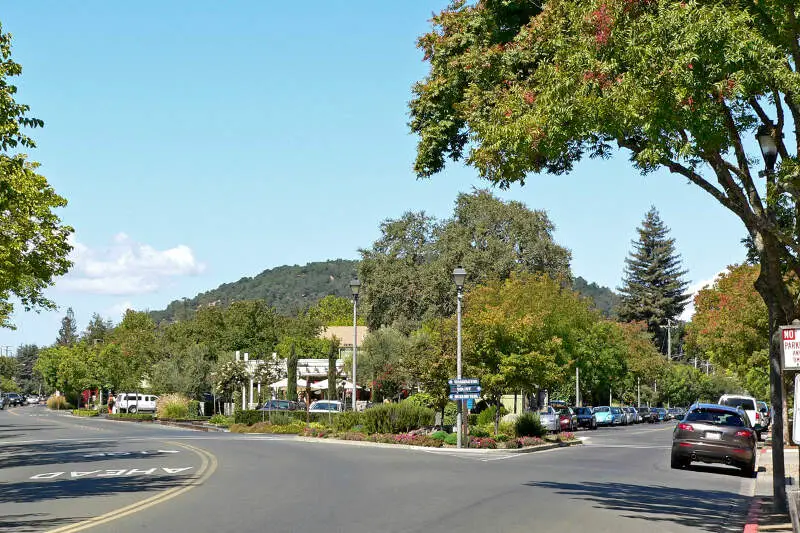
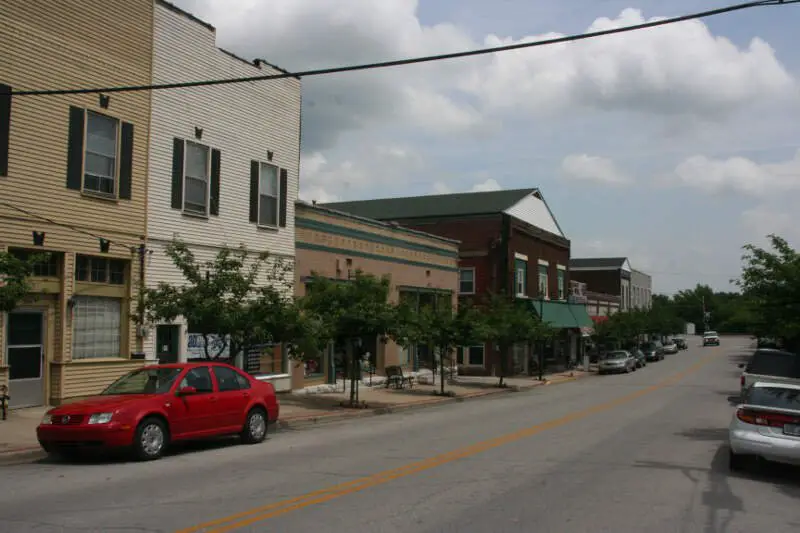
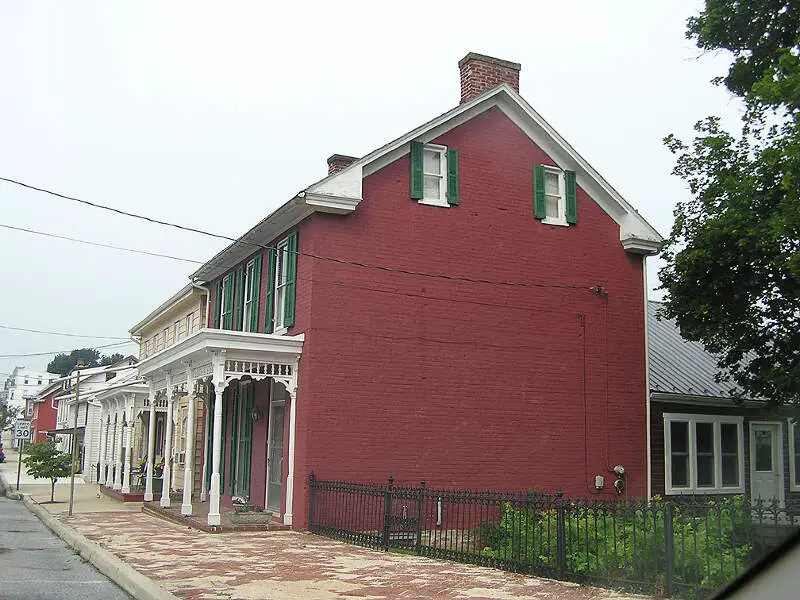
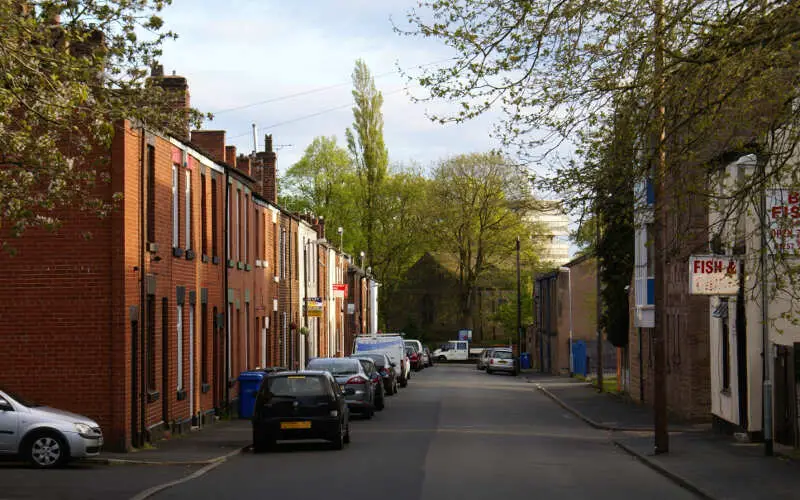
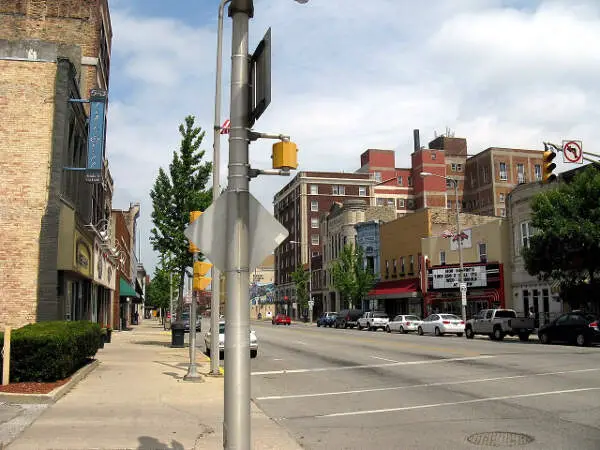
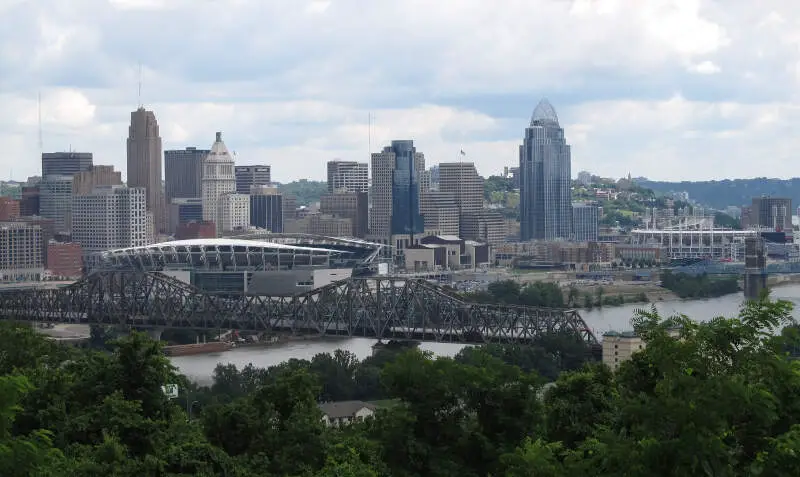
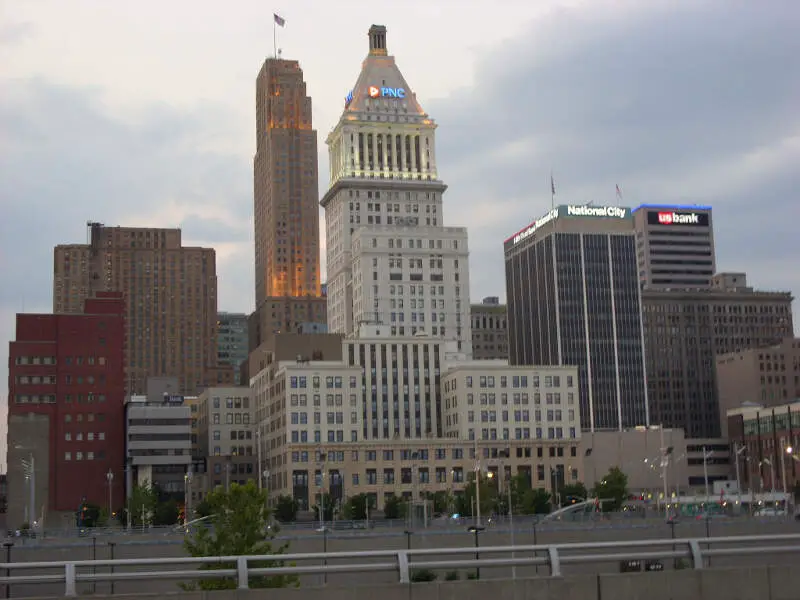
Indianapolis vs. Cincinnati in photos
A side-by-side look at each city.




Cost of living
Indianapolis is the cheaper city overall — same index. Index baseline: 100 = national average.
| Living expense | Indianapolis | Cincinnati | US average |
|---|---|---|---|
| Overall | 94 | 94 | 100 |
| Services | 97 | 98 | 100 |
| Groceries | 97 | 99 | 100 |
| Health | 84 | 82 | 100 |
| Housing | 100 | 98 | 100 |
| Transportation | 99 | 96 | 100 |
| Utilities | 95 | 97 | 100 |
Lower index = cheaper. 100 = U.S. national average. Bar inside each cell scales relative to the highest value in the table.
Sources: HomeSnacks Cost of Living indices, normalized so 100 = U.S. national average. Drill in: Indianapolis cost of living, Cincinnati cost of living, or the cheapest cities in America.
Housing breakdown
Home prices are higher in Cincinnati. Compare absolute price and price-to-income — a $500k home in a $100k-income city is very different from one in a $50k-income city.
| Metric | Indianapolis | Cincinnati | United States |
|---|---|---|---|
| Median Home Value | $229,209 | $249,567 | $332,700 |
| Median Rent | $1,156 | $1,001 | $1,413 |
| Median Income | $66,219 | $52,909 | $80,734 |
| Home Value To Income | 3.5x | 4.7x | 4.1x |
| Rent To Monthly Income | 0.21x | 0.23x | 0.21x |
Source: U.S. Census Bureau ACS 2020-2024. See also states with the highest rent in America.
Crime
Indianapolis is the safer city — total crime rate of 4,214 per 100k people vs 4,675 for Cincinnati. US average: 2,119.
| Crime (per 100k) | Indianapolis | Cincinnati | US average |
|---|---|---|---|
| Total crime | 4,214 | 4,675 | 2,119 |
| Murder | 20 | 22 | 5 |
| Robbery | 143 | 232 | 61 |
| Aggravated Assault | 656 | 535 | 256 |
| Violent Crime | 878 | 846 | 359 |
| Burglary | 518 | 548 | 229 |
| Larceny | 2,072 | 2,395 | 1,272 |
| Car Theft | 746 | 886 | 259 |
| Property Crime | 3,336 | 3,829 | 1,760 |
Lower = safer. Bar inside each cell scales relative to the highest crime rate in the table.
Source: FBI Uniform Crime Reporting (2024). All rates are per 100,000 people. City pages: Indianapolis crime, Cincinnati crime. See also: safest cities in America.
Diversity
Indianapolis is more racially diverse — lower HHI (closer to 0) means a more even mix across groups.
| Group | Indianapolis | Cincinnati | United States |
|---|---|---|---|
| White | 48.9% | 48.2% | 57.4% |
| African American | 27.6% | 36.3% | 11.9% |
| American Indian | 0.1% | 0.1% | 0.5% |
| Asian | 4.2% | 2.6% | 5.9% |
| Hawaiian | 0.0% | 0.0% | 0.2% |
| Other | 0.6% | 0.8% | 0.6% |
| Two Or More | 4.9% | 5.9% | 4.3% |
| Hispanic | 13.8% | 6.1% | 19.3% |
Source: U.S. Census ACS 2020-2024. Lower HHI = more even racial mix. See also: most diverse cities in America.
SnackAbility — overall quality of life
Indianapolis and Cincinnati tied at 5/10.
Scores are 0–10; both bars share the same scale.
SnackAbility is a HomeSnacks proprietary 1–10 score blending jobs, housing, education, commute, amenities, affordability, crime, and diversity. Median U.S. city ≈ 7. Data: Census, BLS, FBI. See also: best places to live in America.
Getting around: Indianapolis vs. Cincinnati
How each city handles commuting, transit, walkability, and car culture — the day-to-day reality that shapes where you'd actually want to live.
Both Indianapolis and Cincinnati are car-dependent, so if you drive to work, you'll feel at home in either. Indianapolis is circled by I-465, a full beltway that keeps cross-town driving predictable outside of rush hour on I-65 and I-70. The larger metro footprint means more lane miles and more congestion points.
IndyGo buses cover the city, and the Purple Line has improved east-west service, but most residents still drive.
Cincinnati sits in a river valley, which means hillier terrain and a tighter street grid in neighborhoods like Mount Adams and Price Hill. Metro buses and the TANK system handle Northern Kentucky commuters.
CVG airport, across the river in Kentucky, is consistently ranked among the easiest major airports to navigate in the Midwest — useful if your job involves frequent travel. Neither city has meaningful light rail, so budget for a car in both.
Jobs and careers in Indianapolis vs. Cincinnati
The local job market, dominant industries, and which city to choose based on your career.
Indianapolis has a deeper corporate bench than its size suggests. Eli Lilly, Elevance Health (formerly Anthem), Salesforce, and IU Health all maintain major operations here, concentrated in life sciences, health insurance, and tech.
Median household income sits at $66,219, noticeably higher than Cincinnati's $52,909. If you're mid-career in healthcare IT, finance, or logistics — Allison Transmission and Cummins are nearby anchors — Indianapolis offers more rungs.
Cincinnati's economy runs on Procter & Gamble, Kroger, Fifth Third Bank, and Cincinnati Children's Hospital Medical Center, one of the top pediatric research institutions in the country. Consumer goods and banking are strong, and the startup scene in the Over-the-Rhine corridor is growing.
The lower median income partly reflects Cincinnati's smaller city footprint. The broader Cincinnati-Dayton metro corridor opens up more options if you're willing to drive.
Weather and climate
What to expect day-to-day — sun, fog, heat, rain, and the seasonal extremes that shape the lifestyle.
Expect four real seasons in both cities. Indianapolis averages about 26 inches of snow per year, with January lows in the teens and July highs regularly in the upper 80s.
Tornado risk is real, though not as severe as further south on the Plains. If you're coming from a milder climate, winters will require an adjustment.
Cincinnati sits about 100 miles south and gets slightly less snow — around 20 inches annually — and spring arrives a touch earlier. Summer humidity in the river valley can feel heavier than Indianapolis on bad August days.
Both cities share a gray, overcast stretch from November through February that catches newcomers off guard. Neither offers a weather advantage dramatic enough to drive a relocation decision.
Culture, nightlife, and entertainment
Food, music, neighborhoods, and the city vibe that gives each place its personality.
Indianapolis has matured quickly as a cultural destination. Massachusetts Avenue has galleries, independent restaurants, and live music venues in a walkable stretch, and Fountain Square and the Bottleworks District (inside a converted Coca-Cola plant) have added nightlife and dining depth.
Sports are central to Indy's identity. The Colts, Pacers, and the Indianapolis 500 at IMS give the city a major-league calendar that fills bars and restaurants reliably from September through June.
Cincinnati's Over-the-Rhine is one of the best-preserved 19th-century urban districts in the country, now packed with craft cocktail bars, farm-to-table restaurants, and music venues like the Woodward Theater. The Cincinnati Symphony Orchestra is well regarded nationally, and Findlay Market anchors weekend life for locals.
Reds games at Great American Ball Park and Bengals games at Paycor Stadium keep the riverfront busy. If walkable, historic urban texture matters to you, Cincinnati's OTR has a slight edge over anything Indianapolis currently offers.
Outdoor activities and day trips
Parks, beaches, hikes, and the weekend escapes that define life outside the city limits.
Indianapolis is flatter than it looks on a map, but it has put real money into greenways and trail infrastructure. Eagle Creek Park — one of the largest municipal parks in the country — offers sailing, mountain biking, and trail running within city limits.
The Monon Trail connects Broad Ripple to Carmel and draws cyclists and runners year-round. White River State Park sits downtown and links the zoo, the Eiteljorg Museum, and riverfront paths in a single corridor.
Cincinnati's topography works in its favor outdoors. Eden Park overlooks the Ohio River with sweeping views, and Mt. Airy Forest has miles of hiking trails.
The Little Miami Scenic Trail stretches northeast for cyclists and paddlers. Cincinnati is also a strong day-trip base: Red River Gorge in Kentucky is about 90 minutes away, and Hocking Hills State Park in Ohio is under two hours. Those are options Indianapolis simply can't match for weekend hiking and climbing.
Bottom line: which city is right for you?
Based on the head-to-head data above, here's the short version — pick the city that lines up with what you actually care about.
Choose Indianapolis if you prioritize…
- a lower cost of living (cheaper groceries, services, and day-to-day expenses).
- lower crime — a safer place to live, work, and raise a family.
- a more racially diverse community (lower HHI on Census data).
Choose Cincinnati if you prioritize…
- more affordable housing relative to Indianapolis.
Methodology: winners are picked from public data — U.S. Census Bureau ACS (income, home value, rent, race/HHI), FBI Uniform Crime Reporting (crime rates per 100k), and HomeSnacks' proprietary SnackAbility quality-of-life score, which blends Bureau of Labor Statistics data with the above.
Other comparisons
Still weighing your options? See how these two cities stack up against other places we've compared head-to-head.