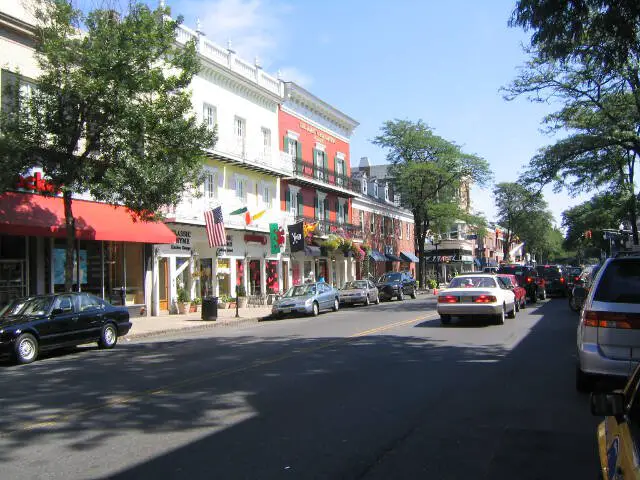
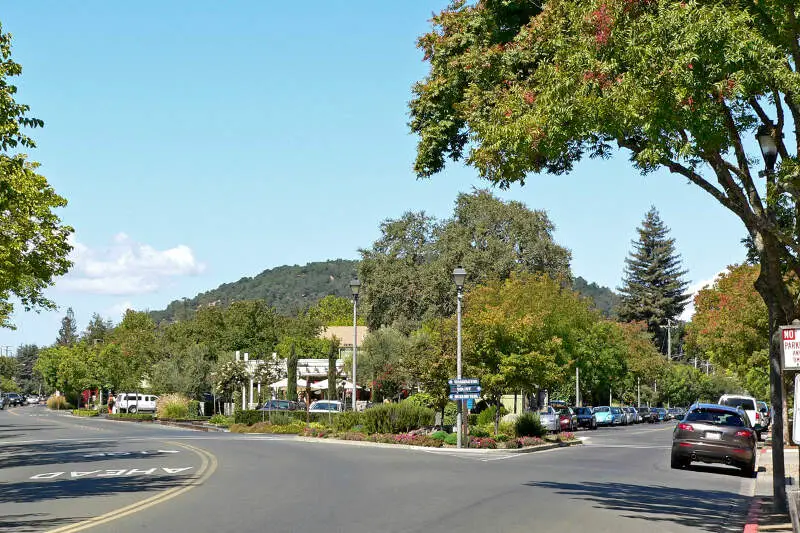
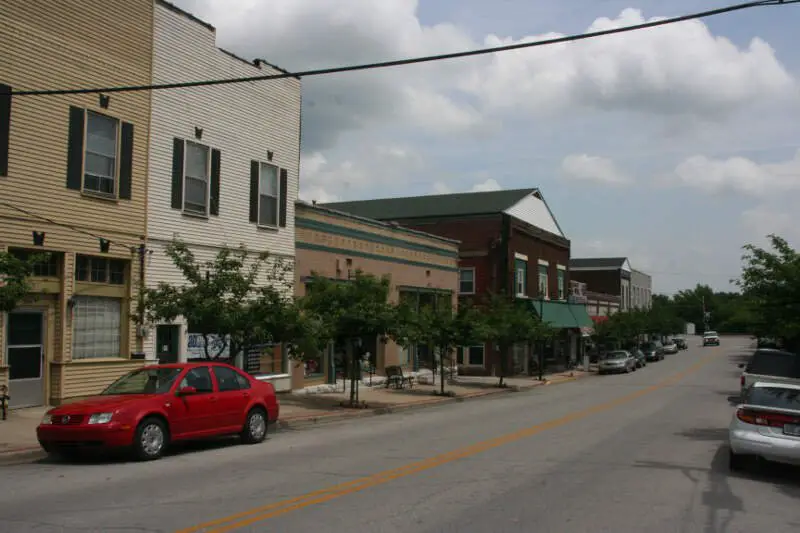
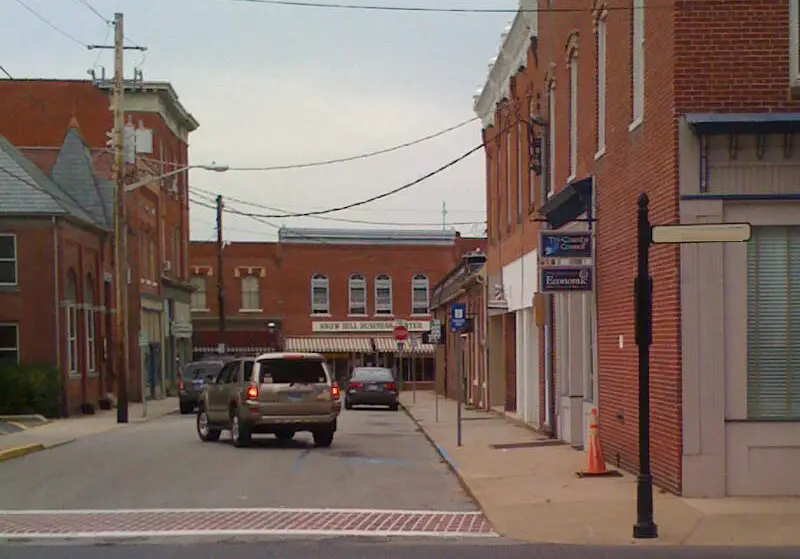
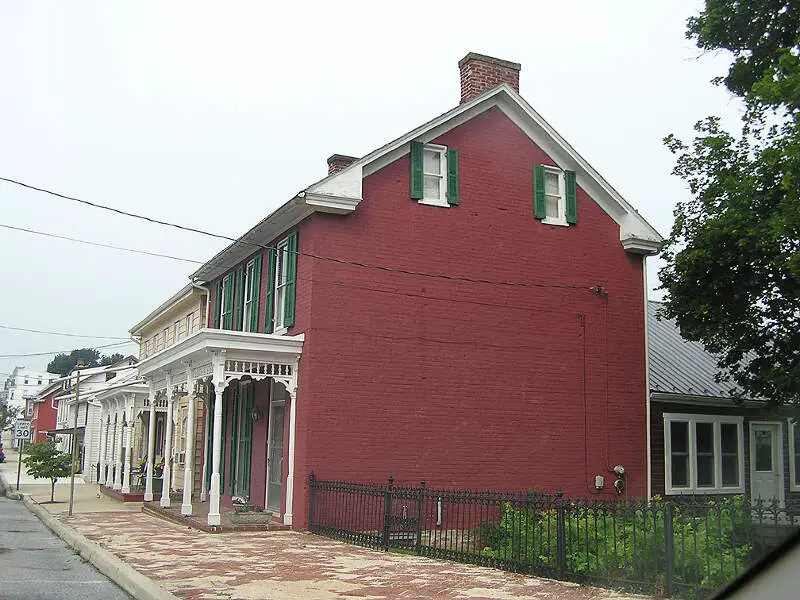
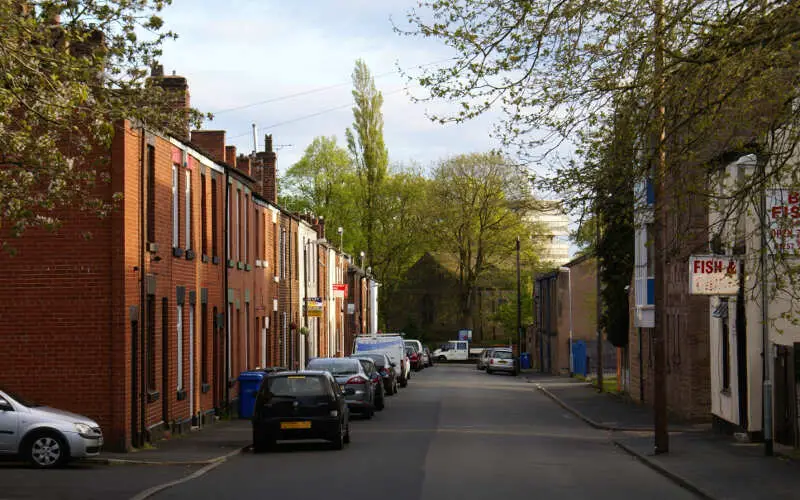
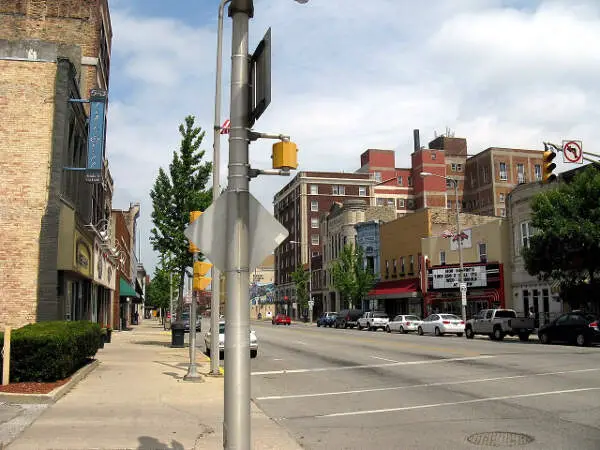
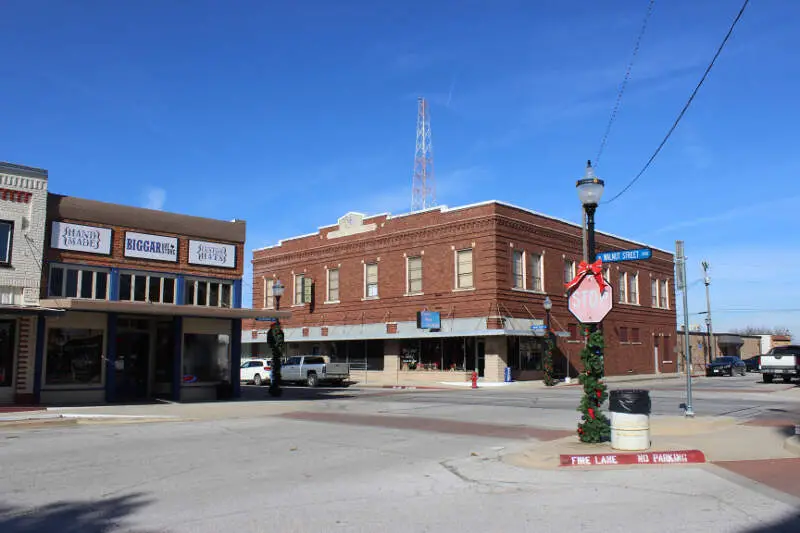
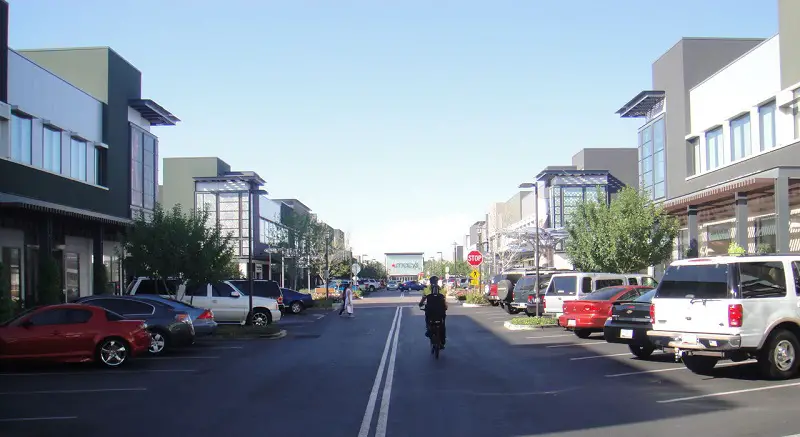
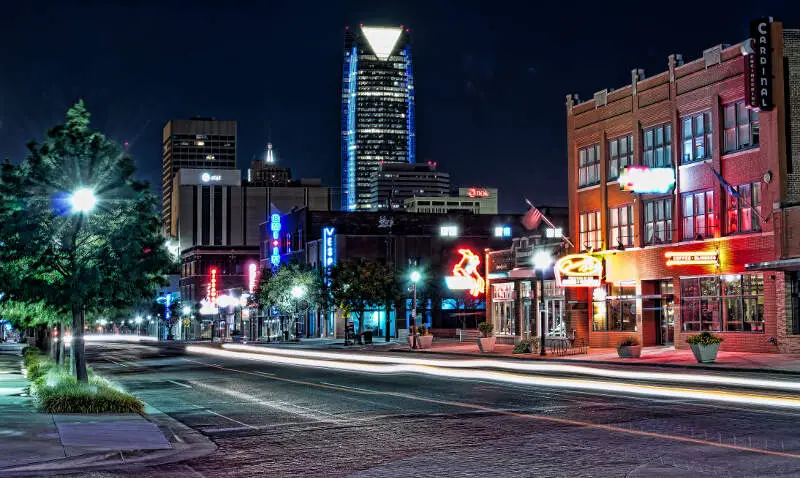
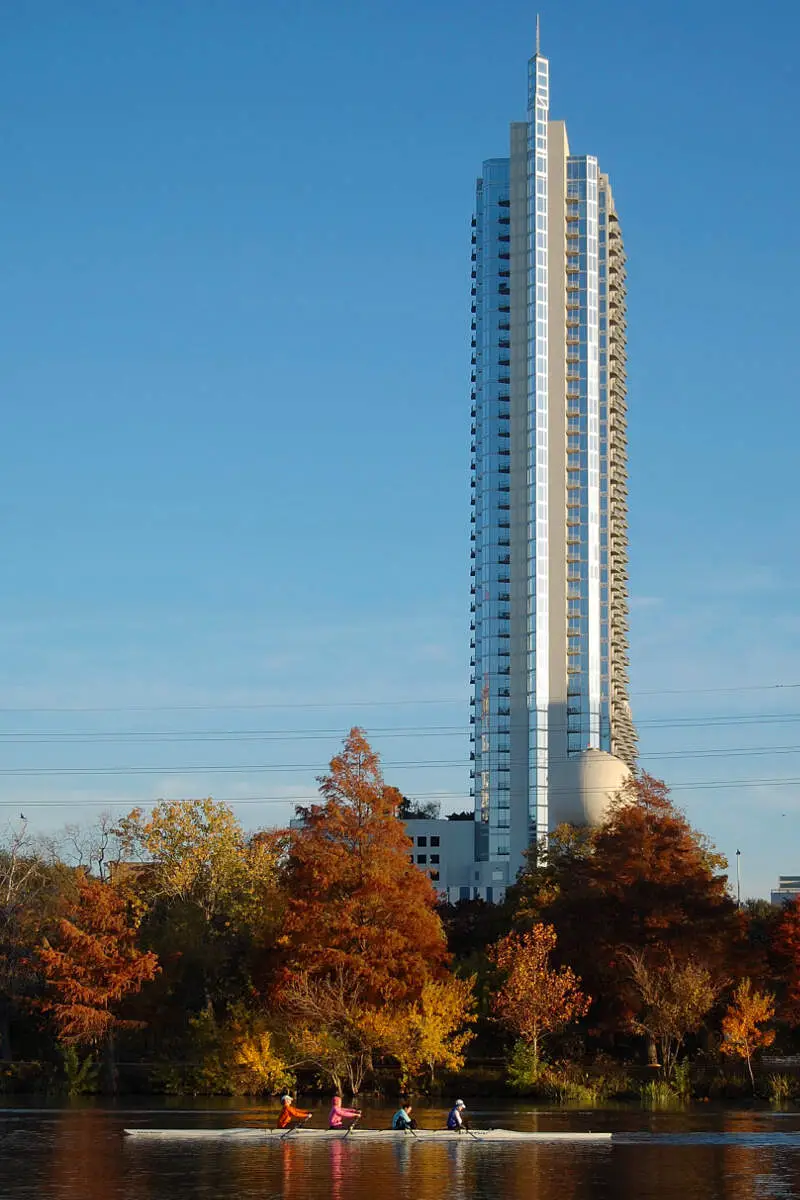
Oklahoma City vs. Austin in photos
A side-by-side look at each city.


Cost of living
Oklahoma City is the cheaper city overall — 23% higher in Austin than its rival. Index baseline: 100 = national average.
| Living expense | Oklahoma City | Austin | US average |
|---|---|---|---|
| Overall | 96 | 124 | 100 |
| Services | 94 | 99 | 100 |
| Groceries | 97 | 101 | 100 |
| Health | 91 | 185 | 100 |
| Housing | 99 | 98 | 100 |
| Transportation | 99 | 109 | 100 |
| Utilities | 96 | 104 | 100 |
Lower index = cheaper. 100 = U.S. national average. Bar inside each cell scales relative to the highest value in the table.
Sources: HomeSnacks Cost of Living indices, normalized so 100 = U.S. national average. Drill in: Oklahoma City cost of living, Austin cost of living, or the cheapest cities in America.
Housing breakdown
Home prices are higher in Austin. Compare absolute price and price-to-income — a $500k home in a $100k-income city is very different from one in a $50k-income city.
| Metric | Oklahoma City | Austin | United States |
|---|---|---|---|
| Median Home Value | $206,712 | $508,530 | $332,700 |
| Median Rent | $1,130 | $1,729 | $1,413 |
| Median Income | $68,656 | $93,658 | $80,734 |
| Home Value To Income | 3.0x | 5.4x | 4.1x |
| Rent To Monthly Income | 0.2x | 0.22x | 0.21x |
Source: U.S. Census Bureau ACS 2020-2024. See also states with the highest rent in America.
Crime
Oklahoma City is the safer city — total crime rate of 3,569 per 100k people vs 3,709 for Austin. US average: 2,119.
| Crime (per 100k) | Oklahoma City | Austin | US average |
|---|---|---|---|
| Total crime | 3,569 | 3,709 | 2,119 |
| Murder | 10 | 7 | 5 |
| Robbery | 100 | 85 | 61 |
| Aggravated Assault | 493 | 307 | 256 |
| Violent Crime | 676 | 467 | 359 |
| Burglary | 583 | 445 | 229 |
| Larceny | 1,951 | 2,198 | 1,272 |
| Car Theft | 360 | 599 | 259 |
| Property Crime | 2,893 | 3,242 | 1,760 |
Lower = safer. Bar inside each cell scales relative to the highest crime rate in the table.
Source: FBI Uniform Crime Reporting (2024). All rates are per 100,000 people. City pages: Oklahoma City crime, Austin crime. See also: safest cities in America.
Diversity
Oklahoma City is more racially diverse — lower HHI (closer to 0) means a more even mix across groups.
| Group | Oklahoma City | Austin | United States |
|---|---|---|---|
| White | 50.1% | 47.0% | 57.4% |
| African American | 13.1% | 7.3% | 11.9% |
| American Indian | 2.1% | 0.1% | 0.5% |
| Asian | 4.5% | 9.0% | 5.9% |
| Hawaiian | 0.1% | 0.0% | 0.2% |
| Other | 0.5% | 0.5% | 0.6% |
| Two Or More | 7.6% | 4.3% | 4.3% |
| Hispanic | 22.1% | 31.9% | 19.3% |
Source: U.S. Census ACS 2020-2024. Lower HHI = more even racial mix. See also: most diverse cities in America.
SnackAbility — overall quality of life
Austin scores higher overall — 7/10 vs 4/10. SnackAbility is our 1–10 quality-of-life score; the median U.S. city scores a 7.
Scores are 0–10; both bars share the same scale.
SnackAbility is a HomeSnacks proprietary 1–10 score blending jobs, housing, education, commute, amenities, affordability, crime, and diversity. Median U.S. city ≈ 7. Data: Census, BLS, FBI. See also: best places to live in America.
Getting around: Oklahoma City vs. Austin
How each city handles commuting, transit, walkability, and car culture — the day-to-day reality that shapes where you'd actually want to live.
Both Oklahoma City and Austin are built around the car, so if you commute by transit, you'll need patience in either city. Oklahoma City's EMBARK system has bus routes and a downtown streetcar, but coverage outside the urban core is thin. Most residents drive, and the flat grid makes that easy; parking is cheap and abundant compared to Austin.
Austin's CapMetro network is more extensive, with express bus routes, the MetroRail Red Line reaching to Cedar Park, and a growing bus rapid transit system. I-35 and MoPac are two of the most congested corridors in Texas, and Austin's rapid growth has turned rush-hour delays into a daily grind. Austin's urban neighborhoods like South Congress and East 6th are walkable and bikeable; Oklahoma City is adding trail connections but stays far more car-dependent at the neighborhood level.
Jobs and careers in Oklahoma City vs. Austin
The local job market, dominant industries, and which city to choose based on your career.
Oklahoma City's economy leans heavily on energy, government, and healthcare. Devon Energy and Continental Resources anchor the oil-and-gas sector, Tinker Air Force Base is one of the region's largest employers, and hospital systems like OU Health and INTEGRIS keep healthcare hiring steady. A cost of living index of 96 means your dollar stretches further, which partially offsets the lower median household income of $68,656.
Austin's job market is in a different weight class. Apple, Tesla, Dell, Oracle, Samsung, and Google all have major presences here, making it one of the country's most active tech hiring hubs. That demand drives median household income to $93,658, but the cost of living index of 124 (well above the national average) eats into that advantage.
Median home values of $508,530 versus Oklahoma City's $206,712 make the trade-off concrete: Austin pays more and costs considerably more to live in.
Weather and climate
What to expect day-to-day — sun, fog, heat, rain, and the seasonal extremes that shape the lifestyle.
Oklahoma City sits squarely in Tornado Alley, and spring storm season brings real severe-weather risk; a weather radio isn't optional. Summers are hot and dry, pushing past 100°F regularly in July and August, while winters are variable. Stretches of mild days can snap into ice storms with little warning, as the 2021 winter freeze reminded the region.
Austin runs hotter and more humid in summer, with heat that can feel oppressive from June through September. Winters are milder; freezing temperatures are the exception, not the rule, though Austin got its own rude reminder in 2021. The shoulder seasons, particularly March through May and October through November, bring low humidity and temperatures in the 60s and 70s.
Both cities see limited snowfall; neither is a winter-sports destination.
Culture, nightlife, and entertainment
Food, music, neighborhoods, and the city vibe that gives each place its personality.
Oklahoma City's cultural scene has expanded over the past two decades. Bricktown anchors the entertainment district, with restaurants, bars, and the Chickasaw Bricktown Ballpark along a renovated canal. Automobile Alley and the Plaza District add independent galleries, coffee shops, and music venues.
The First Americans Museum is a standout addition to the city. The food scene is strong, particularly for barbecue and Mexican food.
Austin bills itself as the Live Music Capital of the World, and the 6th Street corridor, Rainey Street, and venues like ACL Live and Stubb's Amphitheatre back that up. SXSW every March draws the creative industry from across the globe. The restaurant and bar density in East Austin and South Congress is hard to match.
If nightlife variety and a constant calendar of events matter to you, Austin has a clear edge, though you'll pay for access to all of it through higher rents and prices.
Outdoor activities and day trips
Parks, beaches, hikes, and the weekend escapes that define life outside the city limits.
Oklahoma City has more outdoor access than its flat, landlocked reputation suggests. Scissortail Park is a 70-acre urban greenspace right downtown, and Lake Hefner draws cyclists, sailboaters, and walkers year-round.
For bigger adventures, the Wichita Mountains Wildlife Refuge (about 90 minutes southwest) has hiking and wildlife viewing, including bison herds. The city's trail network along the Oklahoma River connects several recreational areas by bike or on foot.
Austin's outdoor options are a real draw. Barton Springs Pool is a naturally fed swimming hole in the middle of the city, and the Barton Creek Greenbelt covers hiking and swimming. Lady Bird Lake is the go-to for kayaking and paddleboarding.
Day trips extend to Enchanted Rock State Natural Area and Hamilton Pool Preserve in the Hill Country. Warm winters mean outdoor activity is viable nearly year-round, which gives Austin a clear edge if varied natural terrain is high on your checklist.
Bottom line: which city is right for you?
Based on the head-to-head data above, here's the short version — pick the city that lines up with what you actually care about.
Choose Oklahoma City if you prioritize…
- a lower cost of living (cheaper groceries, services, and day-to-day expenses).
- lower crime — a safer place to live, work, and raise a family.
- a more racially diverse community (lower HHI on Census data).
Choose Austin if you prioritize…
- more affordable housing relative to Oklahoma City.
- a higher overall SnackAbility quality-of-life score.
Methodology: winners are picked from public data — U.S. Census Bureau ACS (income, home value, rent, race/HHI), FBI Uniform Crime Reporting (crime rates per 100k), and HomeSnacks' proprietary SnackAbility quality-of-life score, which blends Bureau of Labor Statistics data with the above.
Other comparisons
Still weighing your options? See how these two cities stack up against other places we've compared head-to-head.