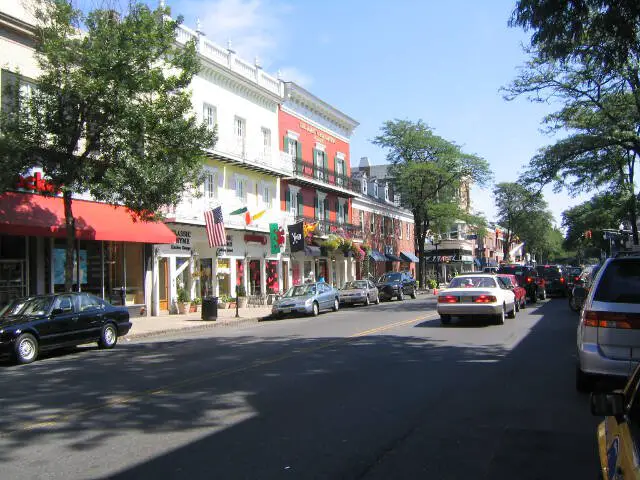
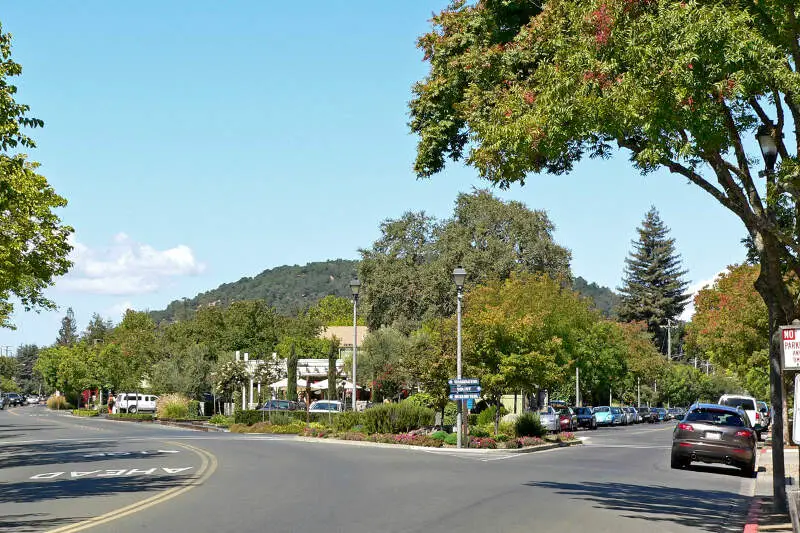
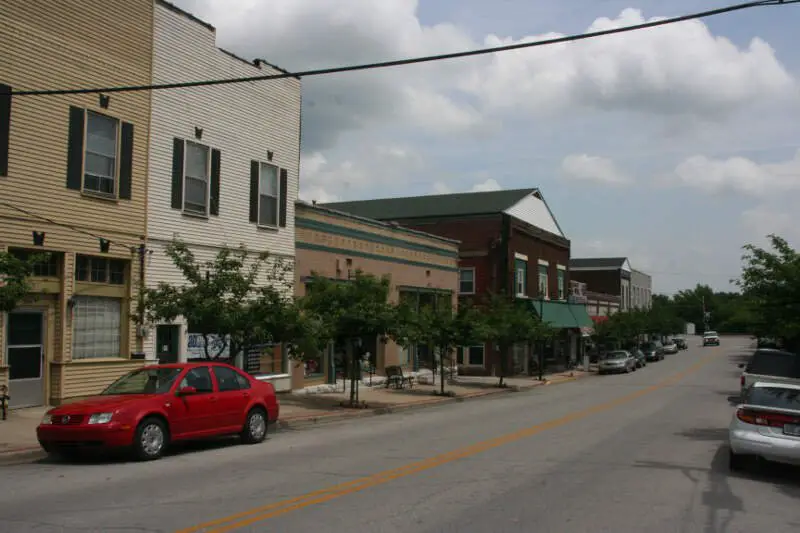
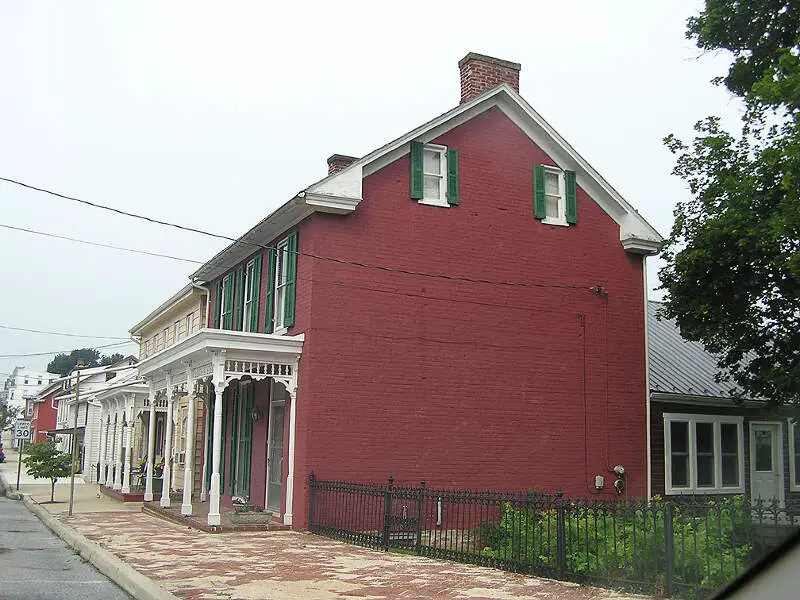
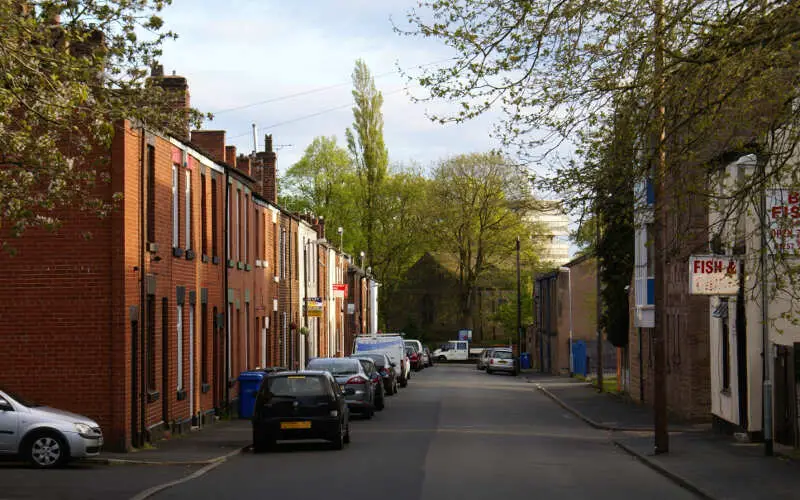
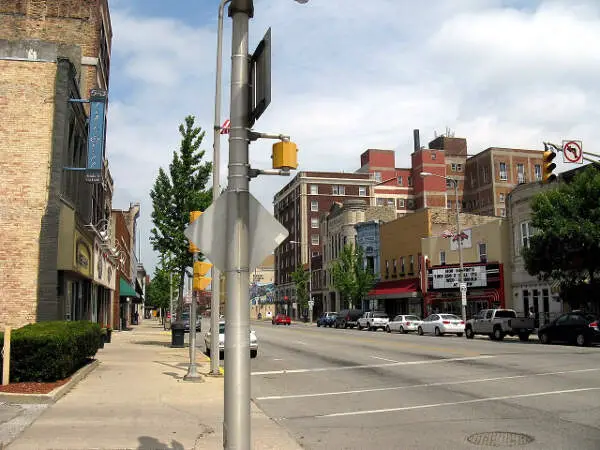
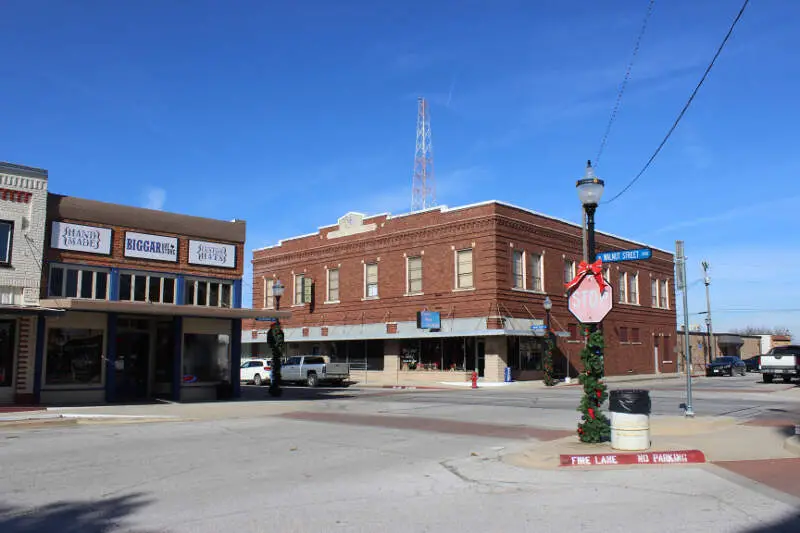
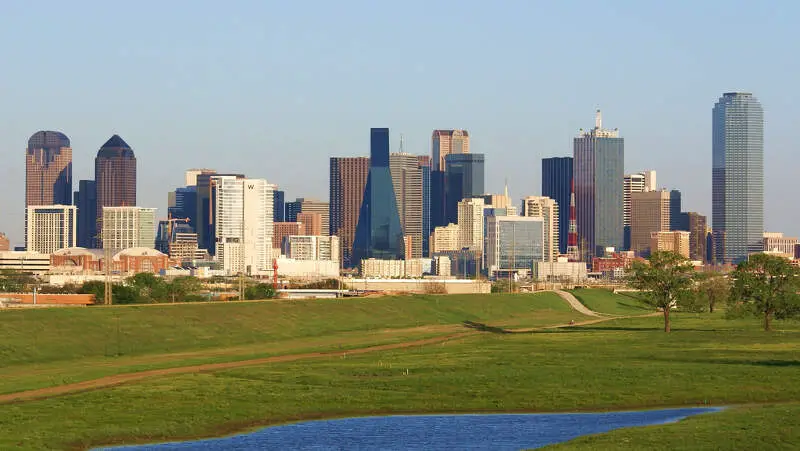
Arlington vs. Dallas in photos
A side-by-side look at each city.



Cost of living
Arlington is the cheaper city overall — 7% higher in Dallas than its rival. Index baseline: 100 = national average.
| Living expense | Arlington | Dallas | US average |
|---|---|---|---|
| Overall | 99 | 106 | 100 |
| Services | 99 | 102 | 100 |
| Groceries | 99 | 103 | 100 |
| Health | 106 | 115 | 100 |
| Housing | 96 | 106 | 100 |
| Transportation | 102 | 108 | 100 |
| Utilities | 98 | 104 | 100 |
Lower index = cheaper. 100 = U.S. national average. Bar inside each cell scales relative to the highest value in the table.
Sources: HomeSnacks Cost of Living indices, normalized so 100 = U.S. national average. Drill in: Arlington cost of living, Dallas cost of living, or the cheapest cities in America.
Housing breakdown
Home prices are higher in Arlington. Compare absolute price and price-to-income — a $500k home in a $100k-income city is very different from one in a $50k-income city.
| Metric | Arlington | Dallas | United States |
|---|---|---|---|
| Median Home Value | $310,971 | $309,420 | $332,700 |
| Median Rent | $1,470 | $1,472 | $1,413 |
| Median Income | $75,171 | $70,518 | $80,734 |
| Home Value To Income | 4.1x | 4.4x | 4.1x |
| Rent To Monthly Income | 0.23x | 0.25x | 0.21x |
Source: U.S. Census Bureau ACS 2020-2024. See also states with the highest rent in America.
Crime
Arlington is the safer city — total crime rate of 2,896 per 100k people vs 4,010 for Dallas. US average: 2,119.
| Crime (per 100k) | Arlington | Dallas | US average |
|---|---|---|---|
| Total crime | 2,896 | 4,010 | 2,119 |
| Murder | 4 | 14 | 5 |
| Robbery | 60 | 169 | 61 |
| Aggravated Assault | 347 | 440 | 256 |
| Violent Crime | 483 | 658 | 359 |
| Burglary | 264 | 464 | 229 |
| Larceny | 1,738 | 1,787 | 1,272 |
| Car Theft | 411 | 1,100 | 259 |
| Property Crime | 2,413 | 3,352 | 1,760 |
Lower = safer. Bar inside each cell scales relative to the highest crime rate in the table.
Source: FBI Uniform Crime Reporting (2024). All rates are per 100,000 people. City pages: Arlington crime, Dallas crime. See also: safest cities in America.
Diversity
Arlington is more racially diverse — lower HHI (closer to 0) means a more even mix across groups.
| Group | Arlington | Dallas | United States |
|---|---|---|---|
| White | 34.1% | 27.6% | 57.4% |
| African American | 22.1% | 22.9% | 11.9% |
| American Indian | 0.1% | 0.2% | 0.5% |
| Asian | 7.3% | 3.8% | 5.9% |
| Hawaiian | 0.3% | 0.1% | 0.2% |
| Other | 0.4% | 0.3% | 0.6% |
| Two Or More | 3.5% | 2.6% | 4.3% |
| Hispanic | 32.2% | 42.6% | 19.3% |
Source: U.S. Census ACS 2020-2024. Lower HHI = more even racial mix. See also: most diverse cities in America.
SnackAbility — overall quality of life
Arlington scores higher overall — 6/10 vs 5/10. SnackAbility is our 1–10 quality-of-life score; the median U.S. city scores a 7.
Scores are 0–10; both bars share the same scale.
SnackAbility is a HomeSnacks proprietary 1–10 score blending jobs, housing, education, commute, amenities, affordability, crime, and diversity. Median U.S. city ≈ 7. Data: Census, BLS, FBI. See also: best places to live in America.
Getting around: Arlington vs. Dallas
How each city handles commuting, transit, walkability, and car culture — the day-to-day reality that shapes where you'd actually want to live.
If you commute by car, Arlington and Dallas sit about 20 miles apart on I-30, but daily driving plays out very differently. Arlington has no fixed-route public transit; it's one of the largest U.S. cities without one, so a personal vehicle is non-negotiable. There's no DART light rail stop in the city, and bus service is limited to a small on-demand microtransit pilot program.
Dallas is served by DART (Dallas Area Rapid Transit), with light rail on four lines connecting Downtown, Uptown, Deep Ellum, the Medical District, and suburbs like Plano and Irving. If you work downtown Dallas and hate parking costs, living in the city and riding the rail is a real option. From Arlington, that same commute almost always means sitting on I-30 or SH-360 during rush hour.
Jobs and careers in Arlington vs. Dallas
The local job market, dominant industries, and which city to choose based on your career.
Arlington punches above its weight for a mid-size city. GM Financial is headquartered here, UT Arlington employs thousands and feeds a steady pipeline of engineering and nursing grads, and the entertainment complex anchored by AT&T Stadium and Globe Life Field generates significant hospitality and event-management work. Median household income sits at $75,171, slightly above Dallas's $70,518, partly reflecting a less polarized income distribution.
Dallas is one of the largest job markets in the country. Corporate headquarters for AT&T, Southwest Airlines, Toyota North America, and Goldman Sachs's regional operations are all within city limits or the immediate inner suburbs, and the Dallas Medical District is one of the largest in the world. If you're switching industries or climbing toward a senior role, the density of employers here gives you options Arlington alone can't match.
Weather and climate
What to expect day-to-day — sun, fog, heat, rain, and the seasonal extremes that shape the lifestyle.
Because Arlington and Dallas share the same North Texas climate, you're not choosing between meaningfully different weather patterns — you're choosing between two addresses inside the same forecast zone. Expect long, genuinely hot summers where July and August regularly push into the high 90s, and triple digits are not unusual. Winters are mild but unpredictable; ice storms (as the February 2021 freeze made clear) can occasionally shut the entire metro down for days.
Spring is the most dramatic season in both cities: severe thunderstorms roll through from March through May, and tornado watches are a routine part of life in the Metroplex. September through November brings lower humidity, comfortable highs in the 70s, and some of the best outdoor weather in Texas. Pack a good rain jacket and a backup generator plan regardless of which address you pick.
Culture, nightlife, and entertainment
Food, music, neighborhoods, and the city vibe that gives each place its personality.
Dallas has one of the most developed arts and nightlife scenes in the South. Deep Ellum remains the city's live-music and bar hub, the Bishop Arts District in Oak Cliff draws a younger crowd to indie restaurants and vintage shops, and Uptown's Henderson Avenue corridor is lined with national and locally owned dining. The Dallas Museum of Art, Nasher Sculpture Center, and AT&T Performing Arts Center anchor the Dallas Arts District, the largest contiguous arts district in the country.
Arlington's cultural identity centers on big-ticket entertainment. AT&T Stadium hosts concerts, college football championships, and boxing cards; Globe Life Field and the adjacent Texas Live! complex handle the rest. The city has a growing international dining scene along Division Street, reflecting its large Hispanic and Asian communities, but for late-night bars or gallery walks, most Arlington residents end up driving to Dallas or Fort Worth.
Outdoor activities and day trips
Parks, beaches, hikes, and the weekend escapes that define life outside the city limits.
Arlington's best outdoor asset is River Legacy Parks, a 1,300-acre greenbelt along the Trinity River with paved and natural trails that feel surprisingly removed from the surrounding suburbs. Lake Arlington gives residents a local spot for fishing and kayaking, and the city's trail network has expanded steadily along Marsha Sharp Freeway corridors. For day trips, Joe Pool Lake on the Cedar Hill border is a quick 20-minute drive for swimming, sailing, and camping at Loyd Park.
White Rock Lake is a 1,000-acre urban park with a 9.3-mile loop trail popular with cyclists and runners year-round, and the Katy Trail converts 3.5 miles of old rail corridor through Uptown and Highland Park into one of the busiest urban trails in Texas. Both cities share easy access to the same regional lakes (Lewisville, Grapevine, Ray Hubbard), so weekend water recreation is a draw for the entire Metroplex rather than any single address. Dallas offers more outdoor variety overall.
Bottom line: which city is right for you?
Based on the head-to-head data above, here's the short version — pick the city that lines up with what you actually care about.
Choose Arlington if you prioritize…
- a lower cost of living (cheaper groceries, services, and day-to-day expenses).
- lower crime — a safer place to live, work, and raise a family.
- more affordable housing relative to Dallas.
- a more racially diverse community (lower HHI on Census data).
- a higher overall SnackAbility quality-of-life score.
Choose Dallas if you prioritize…
- familiarity, family ties, or a job that pulls you to Dallas.
Methodology: winners are picked from public data — U.S. Census Bureau ACS (income, home value, rent, race/HHI), FBI Uniform Crime Reporting (crime rates per 100k), and HomeSnacks' proprietary SnackAbility quality-of-life score, which blends Bureau of Labor Statistics data with the above.
Other comparisons
Still weighing your options? See how these two cities stack up against other places we've compared head-to-head.