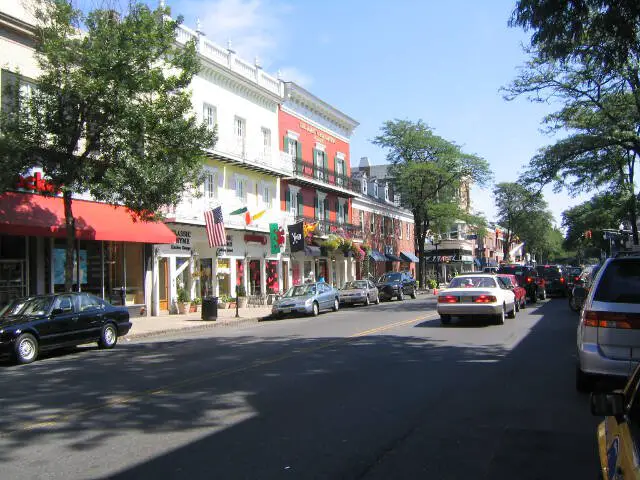
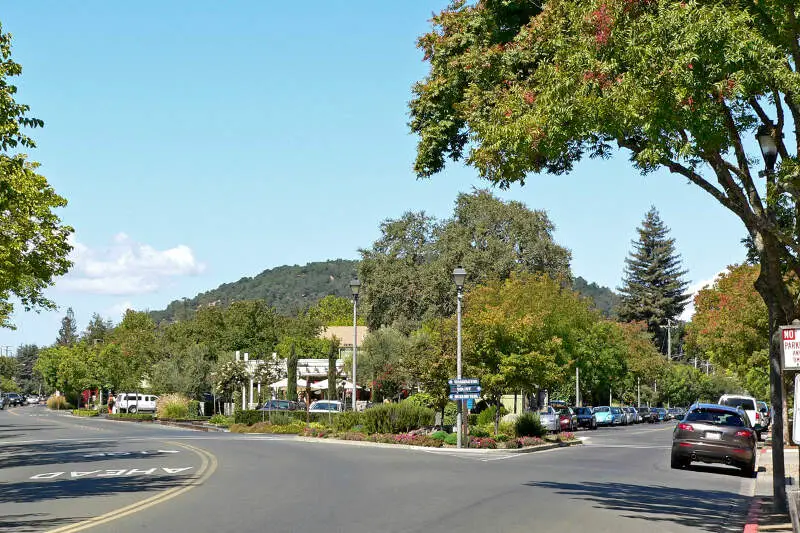
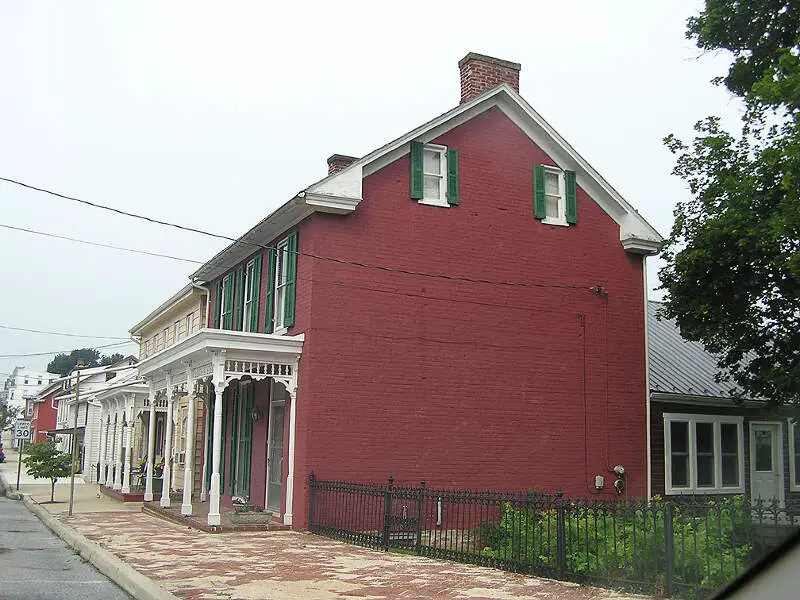
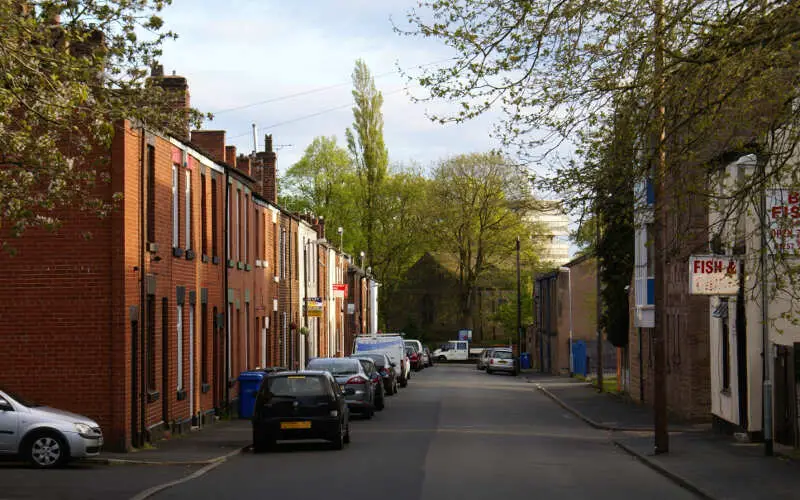
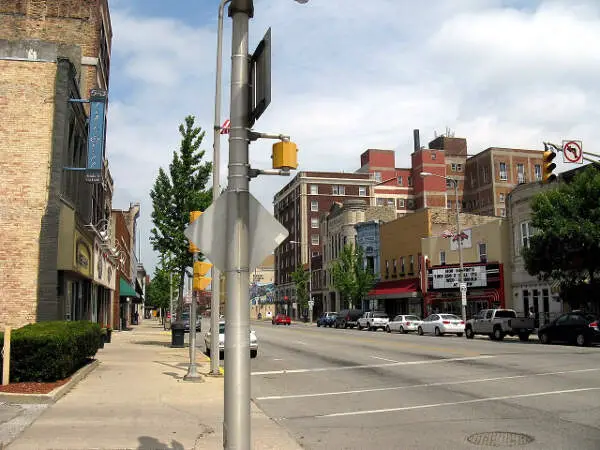
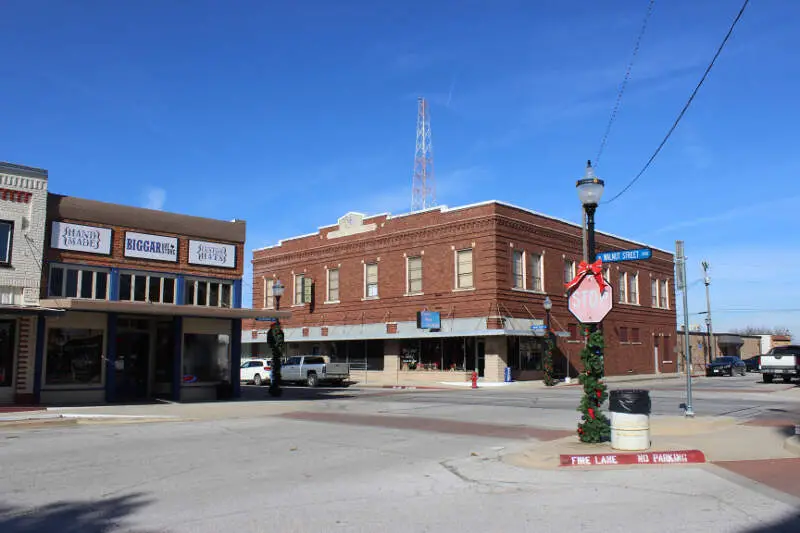
Phoenix vs. Dallas in photos
A side-by-side look at each city.






Cost of living
Dallas is the cheaper city overall — 5% higher in Phoenix than its rival. Index baseline: 100 = national average.
| Living expense | Phoenix | Dallas | US average |
|---|---|---|---|
| Overall | 111 | 106 | 100 |
| Services | 105 | 102 | 100 |
| Groceries | 104 | 103 | 100 |
| Health | 133 | 115 | 100 |
| Housing | 106 | 106 | 100 |
| Transportation | 112 | 108 | 100 |
| Utilities | 103 | 104 | 100 |
Lower index = cheaper. 100 = U.S. national average. Bar inside each cell scales relative to the highest value in the table.
Sources: HomeSnacks Cost of Living indices, normalized so 100 = U.S. national average. Drill in: Phoenix cost of living, Dallas cost of living, or the cheapest cities in America.
Housing breakdown
Home prices are higher in Phoenix. Compare absolute price and price-to-income — a $500k home in a $100k-income city is very different from one in a $50k-income city.
| Metric | Phoenix | Dallas | United States |
|---|---|---|---|
| Median Home Value | $410,168 | $309,420 | $332,700 |
| Median Rent | $1,582 | $1,472 | $1,413 |
| Median Income | $81,332 | $70,518 | $80,734 |
| Home Value To Income | 5.0x | 4.4x | 4.1x |
| Rent To Monthly Income | 0.23x | 0.25x | 0.21x |
Source: U.S. Census Bureau ACS 2020-2024. See also states with the highest rent in America.
Crime
Phoenix is the safer city — total crime rate of 3,125 per 100k people vs 4,010 for Dallas. US average: 2,119.
| Crime (per 100k) | Phoenix | Dallas | US average |
|---|---|---|---|
| Total crime | 3,125 | 4,010 | 2,119 |
| Murder | 8 | 14 | 5 |
| Robbery | 182 | 169 | 61 |
| Aggravated Assault | 545 | 440 | 256 |
| Violent Crime | 800 | 658 | 359 |
| Burglary | 317 | 464 | 229 |
| Larceny | 1,582 | 1,787 | 1,272 |
| Car Theft | 426 | 1,100 | 259 |
| Property Crime | 2,325 | 3,352 | 1,760 |
Lower = safer. Bar inside each cell scales relative to the highest crime rate in the table.
Source: FBI Uniform Crime Reporting (2024). All rates are per 100,000 people. City pages: Phoenix crime, Dallas crime. See also: safest cities in America.
Diversity
Dallas is more racially diverse — lower HHI (closer to 0) means a more even mix across groups.
| Group | Phoenix | Dallas | United States |
|---|---|---|---|
| White | 40.6% | 27.6% | 57.4% |
| African American | 7.4% | 22.9% | 11.9% |
| American Indian | 1.4% | 0.2% | 0.5% |
| Asian | 4.0% | 3.8% | 5.9% |
| Hawaiian | 0.2% | 0.1% | 0.2% |
| Other | 0.4% | 0.3% | 0.6% |
| Two Or More | 4.0% | 2.6% | 4.3% |
| Hispanic | 42.0% | 42.6% | 19.3% |
Source: U.S. Census ACS 2020-2024. Lower HHI = more even racial mix. See also: most diverse cities in America.
SnackAbility — overall quality of life
Phoenix scores higher overall — 6/10 vs 5/10. SnackAbility is our 1–10 quality-of-life score; the median U.S. city scores a 7.
Scores are 0–10; both bars share the same scale.
SnackAbility is a HomeSnacks proprietary 1–10 score blending jobs, housing, education, commute, amenities, affordability, crime, and diversity. Median U.S. city ≈ 7. Data: Census, BLS, FBI. See also: best places to live in America.
Getting around: Phoenix vs. Dallas
How each city handles commuting, transit, walkability, and car culture — the day-to-day reality that shapes where you'd actually want to live.
Both Phoenix and Dallas are built for the car: expect wide arterials, abundant parking, and highway commutes as your baseline. Phoenix's Valley Metro Rail runs about 28 miles through the urban core, connecting Tempe, Mesa, and Midtown, but it won't reach most suburban neighborhoods. Dallas has DART, one of the larger light-rail networks in the country, with lines from Plano and Garland into downtown and out to Oak Cliff, and it's more useful than Phoenix's system if you live near a station.
If you commute by car in either city, rush-hour congestion on the I-10 and Loop 101 in Phoenix rivals the daily grind on Dallas's I-35E and LBJ Freeway. Neither city is walkable by default, so budget for a reliable vehicle regardless of which one you choose.
Jobs and careers in Phoenix vs. Dallas
The local job market, dominant industries, and which city to choose based on your career.
Phoenix's median household income of $81,332 edges out Dallas's $70,518, though both cities have diversified economies that weathered recent downturns relatively well. Phoenix has become a serious tech and financial-services hub: Intel's semiconductor fabs in Chandler, TSMC's new fab in north Phoenix, Banner Health, and large back-office operations for American Express and State Farm all drive hiring. The healthcare and logistics sectors are expanding fast as well.
Dallas punches hard in corporate headquarters: AT&T, Toyota North America, American Airlines, and Texas Instruments are all based in the metro. The financial sector has grown, with Goldman Sachs and others building out large campuses. If you're in finance, energy, or defense contracting, Dallas's network is arguably deeper.
Tech roles are abundant in both metros, but Phoenix's semiconductor buildout is creating specialized engineering demand that Dallas can't quite match right now.
Weather and climate
What to expect day-to-day — sun, fog, heat, rain, and the seasonal extremes that shape the lifestyle.
Phoenix's desert climate is the defining variable. Summers regularly hit 110°F or above, and the urban heat island can keep overnight lows above 90°F during July and August. If you work or exercise outdoors, that matters enormously.
Winters in Phoenix are genuinely pleasant: daytime highs in the 60s and 70s from November through March, with almost no rain and roughly 300 sunny days per year.
Dallas is hotter and more humid than most people expect, with July and August temperatures regularly reaching the high 90s and a heat index that makes it feel worse. Winters are milder than Chicago or the Northeast but not Phoenix-mild: cold fronts can drop temperatures into the 20s, and occasional ice storms shut the city down. Dallas also sits in Tornado Alley, so severe spring storm seasons are a real factor in daily life that Phoenix residents simply don't deal with.
Culture, nightlife, and entertainment
Food, music, neighborhoods, and the city vibe that gives each place its personality.
Phoenix's cultural scene has matured. Roosevelt Row in downtown is a legitimate arts district with galleries, murals, and independent restaurants. Scottsdale's Old Town is the metro's nightlife anchor, dense with restaurants, rooftop bars, and clubs that draw a regional crowd.
The Heard Museum covers Indigenous art and history better than almost anywhere in the country, and the Phoenix Art Museum holds its own. Catching a Suns, Diamondbacks, or Cardinals game is a practical evening out, not just a tourist activity.
Dallas's Deep Ellum neighborhood is one of the best live-music corridors in Texas: blues, hip-hop, and indie rock clubs packed into a walkable stretch east of downtown. Uptown Dallas is younger and bar-dense, while the Dallas Arts District is the largest contiguous arts district in the U.S. by acreage. The city's food scene reflects genuine diversity, with strong Vietnamese, Mexican, and West African restaurant communities across neighborhoods like Richardson and Oak Cliff.
Outdoor activities and day trips
Parks, beaches, hikes, and the weekend escapes that define life outside the city limits.
Phoenix's outdoor appeal is its most distinctive advantage. Camelback Mountain and South Mountain Park sit inside city limits and offer challenging desert hikes with views that don't require driving anywhere. The McDowell Sonoran Preserve in Scottsdale adds over 30,000 acres of trails minutes from suburban neighborhoods.
When you want to leave the valley, Sedona is two hours north and the Grand Canyon's South Rim is about four: both practical day trips or easy weekends away.
Dallas is flatter and greener, with a different outdoor rhythm. White Rock Lake is a legitimate urban escape for running, kayaking, and cycling. Lake Lewisville and Lake Ray Hubbard are popular for boating and fishing within 30–45 minutes of downtown.
The terrain lacks Phoenix's dramatic topography, but Palo Duro Canyon (a two-hour drive west) is a genuine surprise for hikers. If you need mountains or desert scenery regularly, Phoenix wins outright; if you prefer green parks and lake recreation, Dallas holds its own.
Bottom line: which city is right for you?
Based on the head-to-head data above, here's the short version — pick the city that lines up with what you actually care about.
Choose Phoenix if you prioritize…
- lower crime — a safer place to live, work, and raise a family.
- more affordable housing relative to Dallas.
- a higher overall SnackAbility quality-of-life score.
Choose Dallas if you prioritize…
- a lower cost of living (cheaper groceries, services, and day-to-day expenses).
- a more racially diverse community (lower HHI on Census data).
Methodology: winners are picked from public data — U.S. Census Bureau ACS (income, home value, rent, race/HHI), FBI Uniform Crime Reporting (crime rates per 100k), and HomeSnacks' proprietary SnackAbility quality-of-life score, which blends Bureau of Labor Statistics data with the above.
Other comparisons
Still weighing your options? See how these two cities stack up against other places we've compared head-to-head.