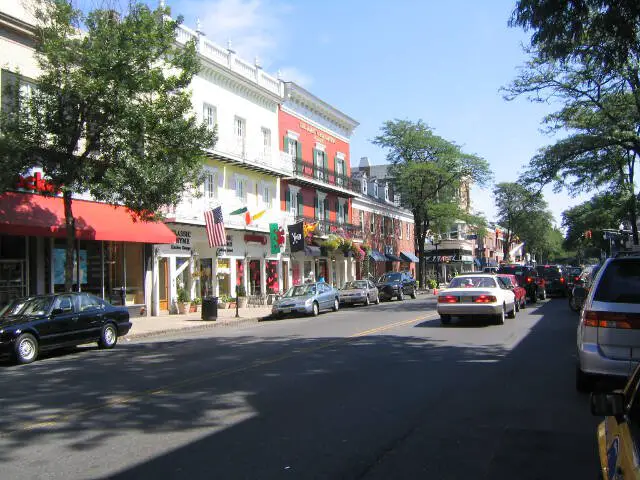
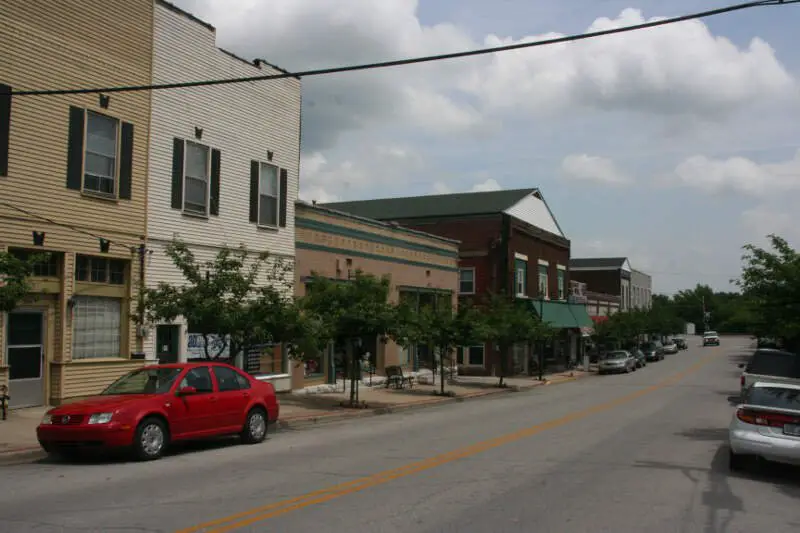
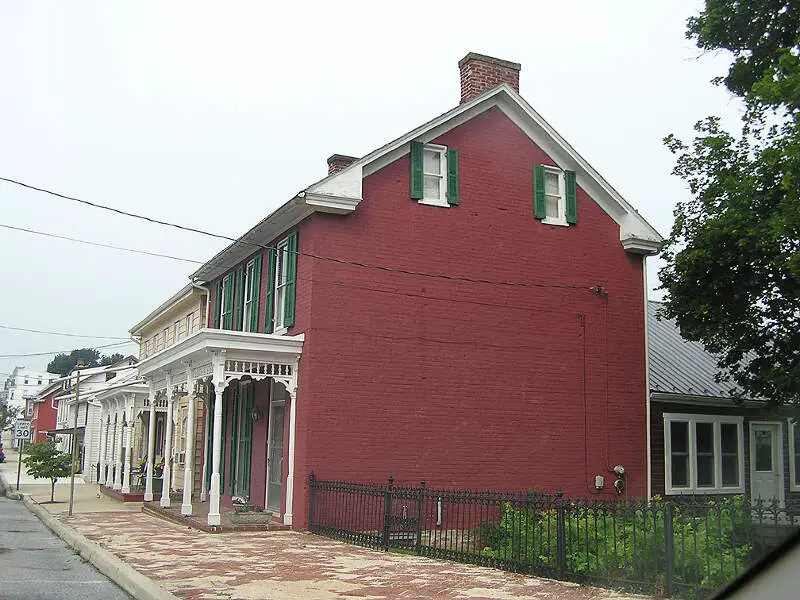
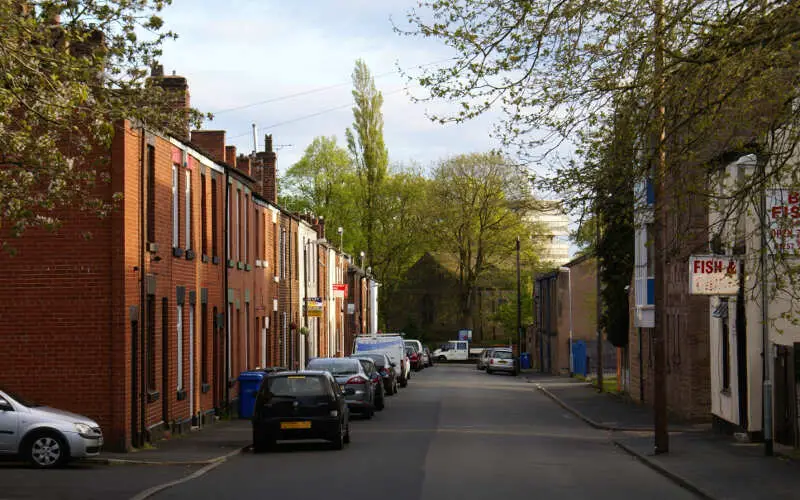
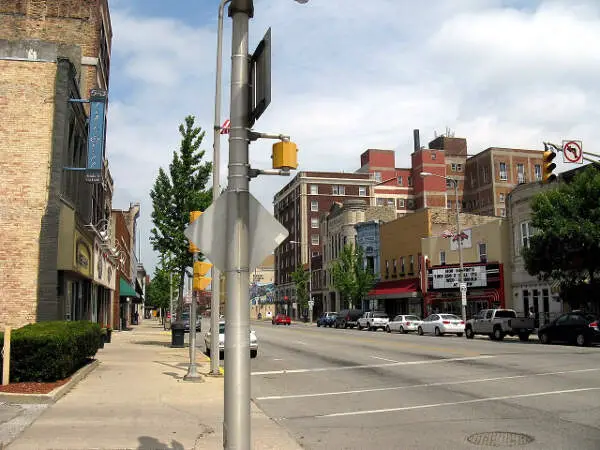
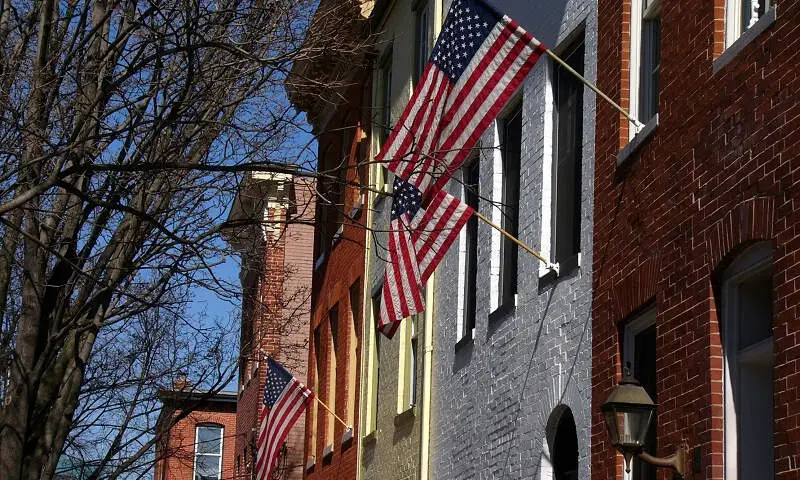
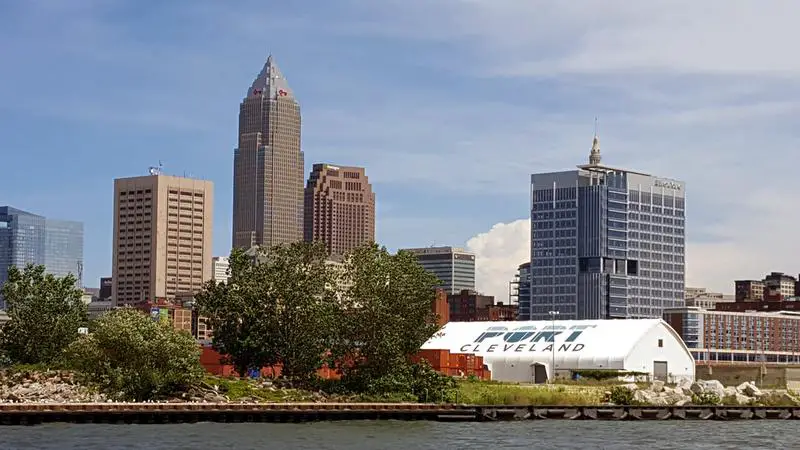
Baltimore vs. Cleveland in photos
A side-by-side look at each city.




Cost of living
Cleveland is the cheaper city overall — 36% higher in Baltimore than its rival. Index baseline: 100 = national average.
| Living expense | Baltimore | Cleveland | US average |
|---|---|---|---|
| Overall | 109 | 80 | 100 |
| Services | 109 | 96 | 100 |
| Groceries | 114 | 91 | 100 |
| Health | 99 | 48 | 100 |
| Housing | 114 | 91 | 100 |
| Transportation | 112 | 98 | 100 |
| Utilities | 109 | 97 | 100 |
Lower index = cheaper. 100 = U.S. national average. Bar inside each cell scales relative to the highest value in the table.
Sources: HomeSnacks Cost of Living indices, normalized so 100 = U.S. national average. Drill in: Baltimore cost of living, Cleveland cost of living, or the cheapest cities in America.
Housing breakdown
Home prices are higher in Baltimore. Compare absolute price and price-to-income — a $500k home in a $100k-income city is very different from one in a $50k-income city.
| Metric | Baltimore | Cleveland | United States |
|---|---|---|---|
| Median Home Value | $188,101 | $115,536 | $332,700 |
| Median Rent | $1,331 | $945 | $1,413 |
| Median Income | $62,177 | $40,801 | $80,734 |
| Home Value To Income | 3.0x | 2.8x | 4.1x |
| Rent To Monthly Income | 0.26x | 0.28x | 0.21x |
Source: U.S. Census Bureau ACS 2020-2024. See also states with the highest rent in America.
Crime
Baltimore is the safer city — total crime rate of 5,763 per 100k people vs 5,987 for Cleveland. US average: 2,119.
| Crime (per 100k) | Baltimore | Cleveland | US average |
|---|---|---|---|
| Total crime | 5,763 | 5,987 | 2,119 |
| Murder | 35 | 30 | 5 |
| Robbery | 573 | 389 | 61 |
| Aggravated Assault | 941 | 1,001 | 256 |
| Violent Crime | 1,606 | 1,561 | 359 |
| Burglary | 524 | 860 | 229 |
| Larceny | 2,582 | 2,419 | 1,272 |
| Car Theft | 1,051 | 1,146 | 259 |
| Property Crime | 4,157 | 4,426 | 1,760 |
Lower = safer. Bar inside each cell scales relative to the highest crime rate in the table.
Source: FBI Uniform Crime Reporting (2024). All rates are per 100,000 people. City pages: Baltimore crime, Cleveland crime. See also: safest cities in America.
Diversity
Cleveland is more racially diverse — lower HHI (closer to 0) means a more even mix across groups.
| Group | Baltimore | Cleveland | United States |
|---|---|---|---|
| White | 26.0% | 33.7% | 57.4% |
| African American | 58.5% | 45.1% | 11.9% |
| American Indian | 0.2% | 0.1% | 0.5% |
| Asian | 2.6% | 2.6% | 5.9% |
| Hawaiian | 0.0% | 0.0% | 0.2% |
| Other | 0.6% | 0.6% | 0.6% |
| Two Or More | 3.9% | 4.6% | 4.3% |
| Hispanic | 8.2% | 13.2% | 19.3% |
Source: U.S. Census ACS 2020-2024. Lower HHI = more even racial mix. See also: most diverse cities in America.
SnackAbility — overall quality of life
Baltimore scores higher overall — 6/10 vs 3/10. SnackAbility is our 1–10 quality-of-life score; the median U.S. city scores a 7.
Scores are 0–10; both bars share the same scale.
SnackAbility is a HomeSnacks proprietary 1–10 score blending jobs, housing, education, commute, amenities, affordability, crime, and diversity. Median U.S. city ≈ 7. Data: Census, BLS, FBI. See also: best places to live in America.
Getting around: Baltimore vs. Cleveland
How each city handles commuting, transit, walkability, and car culture — the day-to-day reality that shapes where you'd actually want to live.
Baltimore's transit backbone is MTA Maryland, which runs the Light Rail, Metro Subway, and an extensive bus network, useful if you live near Green Spring Valley or work downtown near the Inner Harbor. MARC commuter rail is a real asset if your job pulls you toward Washington, D.C., about 40 miles south. Even so, most Baltimore residents drive; the highway grid around I-695 and I-95 shapes daily life heavily.
Cleveland leans even more car-dependent. The Greater Cleveland RTA operates the Red Line (handy if you commute from the eastern suburbs into downtown or need to reach Hopkins International Airport) plus the HealthLine BRT along Euclid Avenue. Outside those corridors, a car is essentially required, though lower housing costs cushion the blow: median rent runs $945 versus Baltimore's $1,331.
Jobs and careers in Baltimore vs. Cleveland
The local job market, dominant industries, and which city to choose based on your career.
Baltimore punches above its population in knowledge-economy jobs. Johns Hopkins University, Johns Hopkins Medicine, and the University of Maryland Medical System anchor the healthcare side; Northrop Grumman, Leidos, and SAIC anchor defense contracting. Proximity to D.C. extends the job market significantly, and median household income sits at $62,177.
Cleveland's economy leans heavily on healthcare: Cleveland Clinic and University Hospitals are two of the world's most recognized institutions. Progressive Insurance, Sherwin-Williams, KeyBank, and Parker Hannifin all headquarter in the area. Wages run lower overall, with median household income at $40,801, but Cleveland's cost of living index of 80 against Baltimore's 109 means your dollar goes further day to day.
Weather and climate
What to expect day-to-day — sun, fog, heat, rain, and the seasonal extremes that shape the lifestyle.
Baltimore gets four distinct seasons, with summers that are hot and muggy: July highs regularly hit the upper 80s, and the humidity off the Chesapeake can feel punishing. Winters average around 20 inches of snow, though nor'easters can push that considerably higher. Spring and fall are genuinely pleasant, and the city logs about 215 sunny days a year.
Cleveland's winters are markedly colder, with Lake Erie's lake-effect snow capable of dropping 57 or more inches on the east-side suburbs in a heavy year; January highs hover near 32°F. Summers are milder and less humid than Baltimore's, a real quality-of-life advantage from June through August. The downside is cloud cover: Cleveland is one of the cloudiest cities in the continental U.S., and the gray stretch from November to March can wear on you.
Culture, nightlife, and entertainment
Food, music, neighborhoods, and the city vibe that gives each place its personality.
Baltimore's cultural identity runs deep and distinctly its own. Fells Point and Federal Hill draw the bar and live-music crowd, plus Old Bay-dusted crab houses; Mount Vernon anchors the arts scene with the Walters Art Museum and a strong LGBTQ+ presence. Camden Yards, one of baseball's most beloved stadiums, and M&T Bank Stadium keep sports fans busy year-round, while Power Plant Live in the Inner Harbor pulls a cluster of venues into one walkable block.
Cleveland counters with an arts infrastructure that surprises newcomers. The Cleveland Museum of Art has free general admission and a world-class permanent collection; Playhouse Square is the second-largest performing-arts center in the United States outside New York, hosting Broadway tours and resident companies. Ohio City and Tremont are walkable, bar-dense neighborhoods, and the Rock and Roll Hall of Fame on the lakefront is a draw no other American city can replicate.
Outdoor activities and day trips
Parks, beaches, hikes, and the weekend escapes that define life outside the city limits.
If water access matters to you, Baltimore delivers. The Inner Harbor puts you on the Chesapeake almost immediately, and Gunpowder Falls State Park and Patapsco Valley State Park offer hiking and mountain biking within 30 to 45 minutes of downtown. The Bay opens up kayaking, sailing, and fishing across one of the East Coast's richest estuaries, and Shenandoah National Park or the Appalachian Trail is under two hours away on a weekend.
Cleveland's best outdoor asset is Cuyahoga Valley National Park, Ohio's only national park, sitting between Cleveland and Akron with 125 miles of trails, the Towpath Trail for cycling, and dramatic sandstone gorges along the Cuyahoga River. The Metroparks system, nicknamed the Emerald Necklace, wraps 18 reservations around the city for easy weekday escapes. Lake Erie's shoreline adds beaches and the Lake Erie wine country to the east, giving the outdoor mix more variety than Cleveland's urban reputation might suggest.
Bottom line: which city is right for you?
Based on the head-to-head data above, here's the short version — pick the city that lines up with what you actually care about.
Choose Baltimore if you prioritize…
- lower crime — a safer place to live, work, and raise a family.
- more affordable housing relative to Cleveland.
- a higher overall SnackAbility quality-of-life score.
Choose Cleveland if you prioritize…
- a lower cost of living (cheaper groceries, services, and day-to-day expenses).
- a more racially diverse community (lower HHI on Census data).
Methodology: winners are picked from public data — U.S. Census Bureau ACS (income, home value, rent, race/HHI), FBI Uniform Crime Reporting (crime rates per 100k), and HomeSnacks' proprietary SnackAbility quality-of-life score, which blends Bureau of Labor Statistics data with the above.
Other comparisons
Still weighing your options? See how these two cities stack up against other places we've compared head-to-head.